
Attic Ventilation and Roof Leaks: How Airflow Affects Moisture
Many roof leaks in New Mexico homes are not caused by missing or damaged shingles, step flashing issues, or penetrations at all. They’re caused by poor attic ventilation.
When soffit vents, attic vents, and ridge vents don’t work together, warm indoor moist air rises into the attic, condenses on cold roof decking, and creates stains and water damage that look exactly like a hidden roof leak.
This guide explains how attic ventilation and roof leaks are connected, how moisture behaves inside an attic space, and how to tell whether you’re dealing with a leaking roof or ventilation-driven condensation.
You’ll learn the attic clues, seasonal patterns, and other signs that reveal the real cause and when to call a professional roofing contractor for help before condensation leads to mold, rot, or more significant damage.
How Poor Attic Ventilation Leads to Moisture That Mimics a Roof Leak
Poor attic airflow traps hot air and moisture inside the attic space. When that moist air rises from the home and cannot escape through exhaust vents (like ridge vents, static vents, or power vents), it condenses on cold surfaces, such as roof sheathing, rafters, and nail tips.
Here’s what typically happens:
- Warm Indoor Air Enters the Attic: Everyday activities (showers, cooking, laundry) push warm, humid air upward. If intake vents, especially soffit vents, are blocked or missing, outside air cannot replace the moist air.
- Condensation Forms on Cold Surfaces: During cool nights or winter mornings, trapped humidity settles on:
- Roof decking, creating droplets that mimic a leak
- Nail tips, forming frost, rust, or speckling
- Enclosed rafter spaces where airflow is restricted
- Areas over bathrooms and kitchens with high indoor humidity
- Moisture Drips Onto Insulation and Ceilings: As droplets fall, they create stains identical to a roof leak or failure in roof shingles, flashings, or roof valleys.
- Problems Worsen in Enclosed Attics or Cathedral Ceilings: Spaces without proper ventilation openings, rafter vents, or insulation baffles allow humidity to collect even faster.
- Government and Building Science References Agree: Moisture-related “fake leaks” are widely documented. The EPA’s moisture and mold guidance explains that poor ventilation is a major cause of attic mold, mildew growth, and stains routinely mistaken for roof leaks.

Signs Your Attic Ventilation Is Causing Moisture Problems (Not a Roof Leak)
Use this two-part checklist to determine whether attic moisture, not a leaky roof, is causing your ceiling stains.
Attic Signs That Point to Exhaust Ventilation Issues
These attic observations strongly suggest ventilation-driven moisture rather than a true leak.
Look for:
- Frost, droplets, or a visible sheen on roof decking or rafters
- Rusted or frosted nail tips forming consistent patterns across the attic floor
- Dark spots, mold-like discoloration, or mildew growth on rafters or sheathing
- Damp or heavy insulation, even when no rain or snow occurred
- Stuffy, humid, or musty odors throughout the attic space
- Moisture appearing in multiple areas rather than under one roof feature
- Condensation forming near gable vents or improperly installed static vents
- Airflow blocked by insulation covering soffit vents, stopping airflows from moving properly
Indoor Ceiling and Wall Signs Linked to Ventilation Moisture
Ventilation-driven moisture inside the home tends to follow humidity patterns, not rain events.
Look for:
- Water stains or ceiling discoloration after cold nights, not during storms
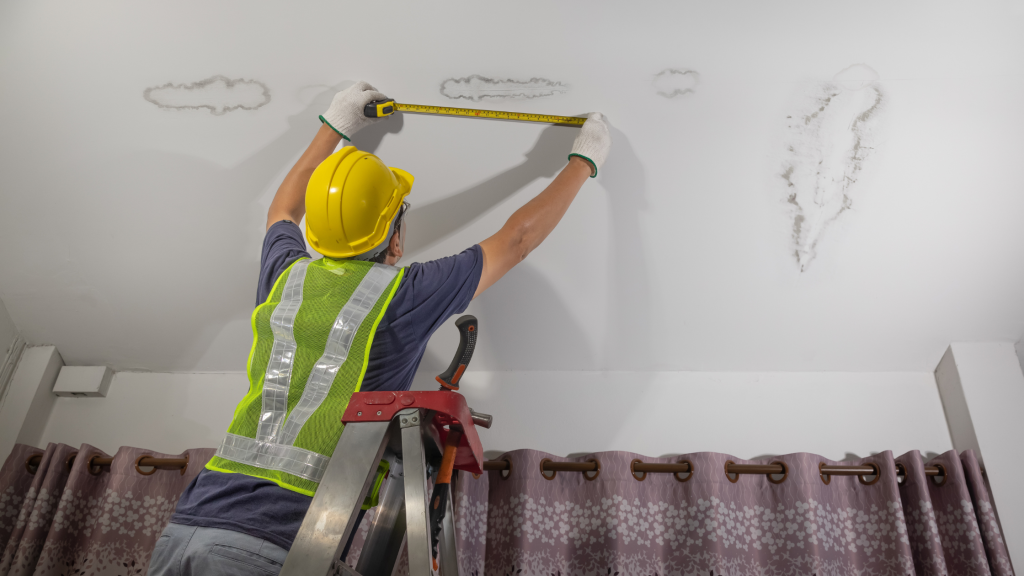
- Multiple small spots or faint rings across a large room — classic ventilation moisture behavior
- Musty odors in upstairs areas, closets, or near exterior walls
- Stains near bathrooms, laundry rooms, or kitchens, where humidity rises fastest
- Spots that improve with ventilation, fans, or dry weather
- Ceiling stains that return seasonally, especially in winter or after long humidity spikes
Common Attic Ventilation Problems That Lead to Moisture and “Fake Leaks”
Blocked or Missing Intake Vents (Soffits)
Healthy ventilation starts with intake vents pulling cold air into the attic. When soffits are blocked by insulation, painted shut, or missing, the attic cannot breathe.
This creates:
- Trapped heat and moisture
- Condensation along roof edges
- Moisture patterns mistaken for flashing issues or damaged shingles
Insufficient or Imbalanced Exhaust Venting
Even a new roof can develop problems if exhaust airflow is inadequate.
Common issues include:
- Too few roof vents, ridge vents, or gable vents
- Exhaust overpowering intake, pulling moist air from inside the home
- Dead zones over bathrooms or kitchens
- Moisture reaching the roof sheathing and creating dark spots
ASHRAE’s ventilation standards emphasize that balanced systems prevent condensation and further damage.
Bathroom, Kitchen, or Dryer Fans Venting Into the Attic
One of the most severe causes of attic moisture is improper installation of exhaust fans.
When warm humid air vents into the attic instead of outdoors, it causes:
- Rapid mold growth
- Wood rot on roof decking
- Persistent stains and water damage
- Moisture cycles mistaken for a hidden roof leak
How to Tell If You Have a Leaking Roof or a Ventilation Moisture Problem
Leak vs. Ventilation Comparison Table
| Category | Roof Leak | Ventilation Moisture |
| Timing Clues | Appears during or immediately after rain, snow, or storm damage | Appears after cold nights, humidity spikes, long showers, or poor airflow, even with no rain |
| Location Clues | Stains near penetrations such as vents, chimneys, skylights, or roof valleys | Multiple stains across a room, long lines, or widespread attic dampness |
| Attic Evidence | One clear water trail under step flashing, damaged shingles, or specific roof penetrations | Frosted nails, damp insulation baffles, and widespread condensation with no single entry point |
Homeowners should track weather, humidity levels, and daily indoor activities to narrow down the cause. Noticing when stains appear and when they fade makes it much easier to distinguish a true roof leak from a ventilation moisture issue.
This simple habit can prevent unnecessary roof repairs and help professionals diagnose the problem more accurately.
When to Schedule a Professional Roof and Attic Ventilation Inspection
You should schedule an inspection when:
- Ceiling stains appear during cold nights or dry weather
- You smell musty odors coming from the attic
- Attic moisture appears in multiple locations
- You suspect blocked intake vents or improperly installed soffit vents
- Fans or dryers may be venting into the attic
- Stains return every season
A professional roofer can determine whether the issue is:
- A true roof leak
- A ventilation-driven moisture problem
- A combination of both that requires targeted roof repairs
Schedule a Roof Leak and Attic Ventilation Check in New Mexico
If you’re noticing stains, musty odors, or moisture that doesn’t seem tied to rain, you don’t have to guess what’s going on. We’re here to help you get real answers. Good attic ventilation protects your roof, insulation, and the overall health of your home, and catching issues early can save you from unnecessary repairs down the road.
Give us a call at (505) 264-7081 or fill out our contact form to schedule your roof leak and attic ventilation inspection.
East Mountain Roofing proudly serves homeowners in Albuquerque, Santa Fe, Rio Rancho, Edgewood, Sandia Park, Cedar Crest, Moriarty, and nearby communities. Most families receive a clear written report and estimate within 24–48 hours, so you can move forward with confidence.