
How to Check for Roof Leaks: 5 Easy Steps for Homeowners
A small drip from the ceiling might seem like a minor annoyance, but it often signals a much bigger problem. A roof leak can go unnoticed for months, quietly causing damage until a major issue emerges.
For homeowners in New Mexico, the intense sun, seasonal storms, strong winds, and hail all put stress on our roofing materials. Learning how to check for roof leaks regularly can save you from costly repairs down the line.
If you follow these steps and suspect you have a leak, don’t hesitate to call East Mountain Roofing. We offer free, no-obligation roof inspections to give you peace of mind.
Why Roof Leak Detection Matters
Ignoring the telltale signs of a leaky roof can have serious consequences. What starts as a small leak can lead to significant problems, including:
- Mold growth: Trapped moisture creates the perfect environment for mold, which can pose health risks to your family, according to the EPA.
- Structural Damage: Water can rot the wooden framework of your home, including rafters and roof sheathing, weakening its structural integrity.
- Damaged Belongings: Leaks can ruin ceilings, interior walls, insulation, and personal items inside your home.
A minor roof repair today can prevent the need for a major replacement tomorrow. Early detection is your best defense against expensive repairs and further damage.
Step 1: Check Ceilings and Interior Walls for Obvious Signs
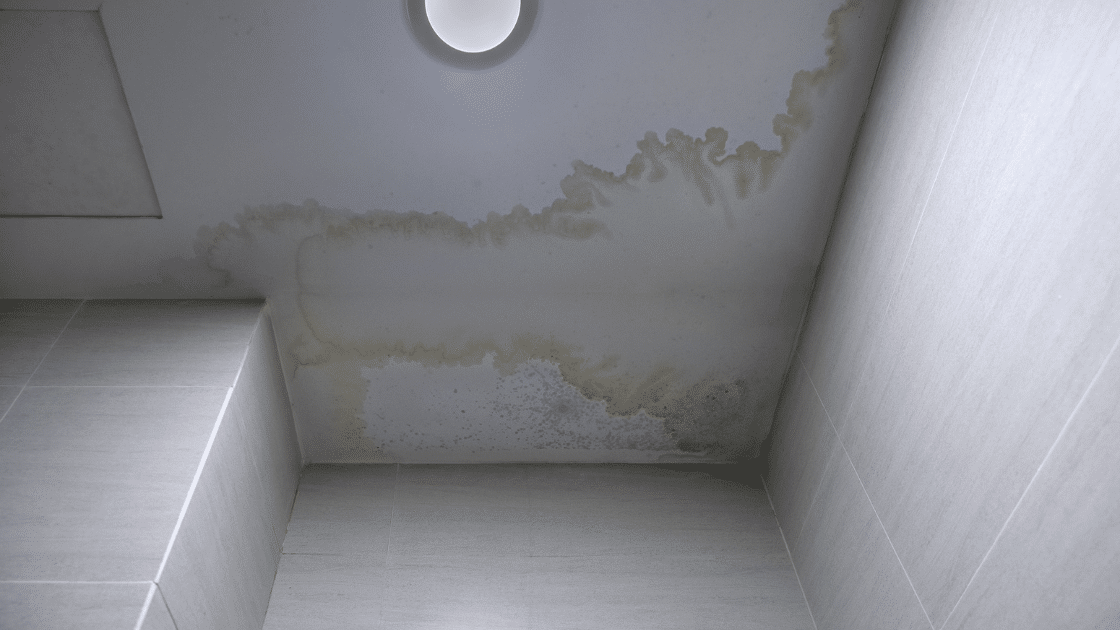
One of the most obvious signs of a roof leak is visible water damage inside your home. Walk through each room and look for:
- Water stains or discoloration on your ceiling and walls
- Bubbling or peeling paint
- Wet spots or drips near a light fixture or along an exterior wall
Keep in mind that water can travel along roof joints, plumbing pipes, or wall frames, so the stain on your ceiling may not be directly below the source of the leak. For example, many Albuquerque homeowners notice signs in corner rooms after severe weather, even if the leak is in the middle of the roof.
Step 2: Inspect the Attic Space
If you have safe attic access, it’s one of the best places to find a roof leak. It’s often easiest to spot problems during or right after a rainfall. Grab a flashlight and look for:
- Damp or musty insulation
- Dark spots, water stains, or streaks on the wood rafters
- Visible drips or puddles of water on the roof decking
- Rotting or damaged wood
On a sunny day, turn off your flashlight and look for any beams of light coming through the roof. These gaps in your roof’s exterior are clear entry points for water.
Step 3: Examine Roof Flashing, Shingles, and Vulnerable Areas
Damaged flashing and missing shingles are among the most common causes of leaks. Roof flashing consists of thin metal strips that seal the seams around chimneys, vents, skylights, and roof valleys. These are vulnerable areas where leaks often begin.
Signs of obvious damage include:
- Exposed nails or missing nails
- Cracked or damaged shingles
- Rusted or bent flashing
- Gaps along step flashing or new flashing that isn’t sealed properly
New Mexico’s strong winds can easily loosen shingles or flashing over time. On older roofs, even a single replacement shingle that isn’t secured with roofing caulk or roofing cement can lead to leaks.
If you notice a damaged area, it’s a good idea to call a professional roofer rather than attempt removing shingles or sealing gaps on your own.
Step 4: Check Gutters and Downspouts for Clogs
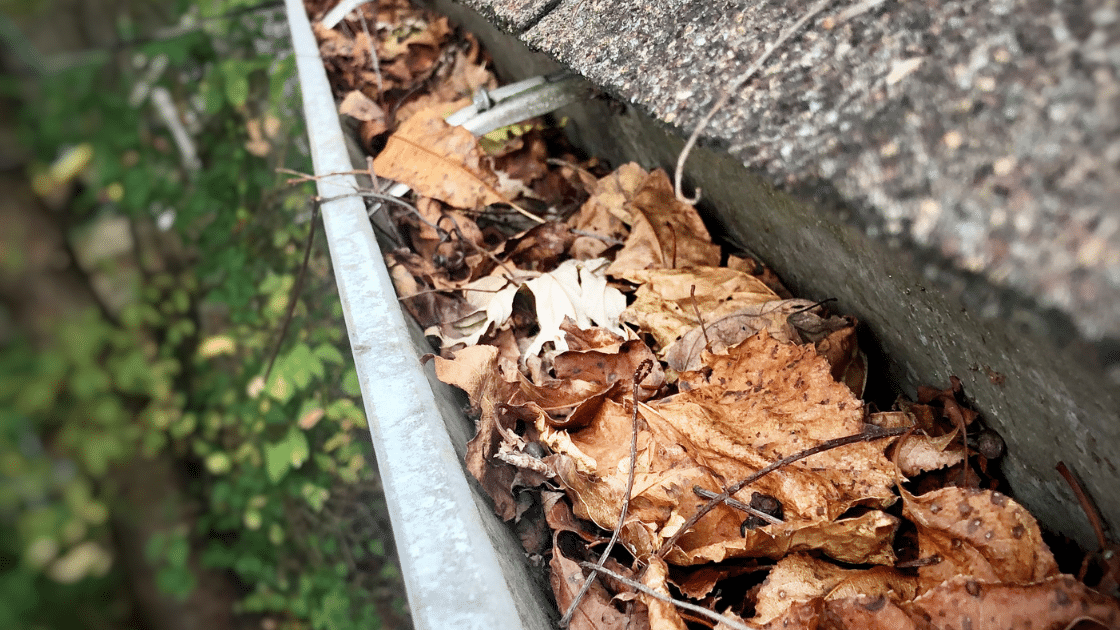
Your gutters are designed to direct water away from your home, but clogged gutters can cause leaks when they overflow. Gutters filled with leaves, pine needles, or granules from shingles can trap water, causing it to back up and seep under your roof.
In colder areas near Santa Fe, ice dams can form in clogged gutters, forcing water underneath shingles. Regular gutter cleaning helps prevent leaks and extends the life of your roof.
We recommend seasonal cleaning, especially after New Mexico’s notorious windstorms, to keep everything in good shape.
Step 5: Rule Out Other Sources of Leaks
Not every water issue comes from your roof. Sometimes, what looks like a roof leak could actually be:
- A plumbing leak from plumbing pipes in the attic
- Leaks near window edges or siding
- Condensation from improper ventilation in the attic
If you can’t pinpoint the exact location of the problem, it’s best to call in an expert to avoid further damage.
When to Call a Professional Roofer like East Mountain Roofing
While these DIY home improvement tips are helpful, they are not a substitute for a professional evaluation. Some problems are difficult to spot without training.
If you notice signs of a leak or simply want to be sure your roof is in good shape, it’s time to call the experts.
East Mountain Roofing offers free, comprehensive roof inspections. Our reliable crews have the local expertise to identify and repair issues specific to our climate. We provide quick scheduling and back our work with a 10-year labor warranty and up to 30-year materials warranties.
For reliable leaky roof repair, you can count on us.
Stay Ahead of Roof Leaks
Regularly checking for signs of a roof leak is a simple but essential part of home maintenance. By catching problems early, you can protect your home and avoid the stress of expensive repairs. Following this guide on how to check for roof leaks will empower you to keep your home safe and dry.
For homeowners in Albuquerque, Santa Fe, and the surrounding areas, let us give you complete confidence in your roof. Schedule a free inspection with East Mountain Roofing for peace of mind before the next storm hits. We specialize in fixing roof leaks in New Mexico and are here to help.