

Tarps on Roof: When and How to Use Them for Temporary Protection
Storm damage can strike without warning, leaving your roof vulnerable to further damage and moisture intrusion. When shingles are missing, flashing is damaged, or active leaks threaten your home’s interior, tarps on roof installations provide a crucial temporary fix and emergency protection.
While these blue shields offer immediate relief from the elements, they’re strictly short-term solutions designed to buy you time until permanent repairs can be completed.
This guide will help New Mexico homeowners understand when a roof tarp is necessary, its limitations, and why professional installation is often the safest choice for protecting your property.
When You Need a Tarp on Your Roof
Several emergencies call for immediate tarping to prevent additional damage to your home’s interior and structure.
Storm Damage Scenarios
Missing or damaged roof shingles after hailstorms are prime candidates for emergency tarping. New Mexico’s severe weather patterns, including powerful wind exceeding 60 mph and hail ranging from pea-sized to golf ball dimensions can strip shingles away or create punctures that expose the underlying roof deck.
Without immediate protection, these openings become direct pathways for rain, snow, or ice infiltration.
Active Leak Situations
When water is actively entering your home through a damaged roof, emergency repairs like tarping become critical. Even small leaks can cause significant damage to insulation, drywall, flooring, and personal belongings within hours. The longer water continues to enter, the higher the risk of mold growth and structural deterioration.
Waiting Periods
Insurance claim processing and contractor scheduling often create delays between damage discovery and repairs. During these waiting periods, which can extend for weeks during peak storm seasons, a temporary roof tarp helps protect the damaged area and prevent further damage that could complicate claims or increase repair costs.
Given New Mexico’s unpredictable extreme weather events, where morning sunshine can give way to afternoon thunderstorms, prompt initial installation of a tarp helps keep your property covered until permanent repairs can begin.
Pros and Cons of Using Tarps on Roof
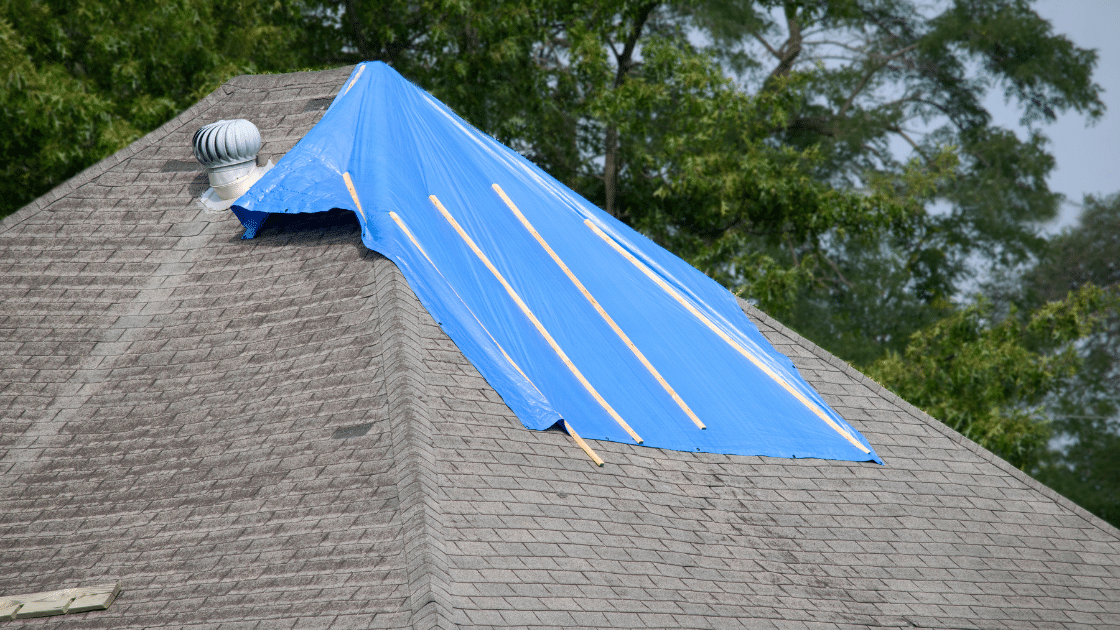
Understanding both advantages and limitations helps homeowners make informed decisions about emergency roof protection.
Key Benefits
- Tarps provide immediate protection when properly installed.
- They’re readily available at most hardware stores (shop for heavy-duty options) and can be deployed quickly to prevent additional damage.
- For insurance purposes, tarps demonstrate proactive mitigation, which may help with claims.
- They’re a cost-effective temporary fix compared to extensive interior repairs.
- A properly installed tarp can cover the damaged area and save thousands of dollars in damage to furniture, electronics, and finishes.
Significant Limitations
- Tarps are temporary by design and may not withstand New Mexico’s high wind without being secured with nails, wooden boards, or other materials.
- Improper installation may cause rips, holes, or additional damage if the tarp shifts during a hurricane or heavy storm.
- Roof access presents a safety hazard, especially after storms when surfaces are slippery. Without the right safety equipment, the job becomes dangerous.
- UV radiation from New Mexico’s intense sunlight weakens tarp materials in just a few weeks, reducing quality and effectiveness.
DIY Roof Tarping: What Homeowners Should Know
Some homeowners consider DIY tarping to save costs, but several factors must be considered before attempting initial installation yourself.
Essential Materials and Tools
- Heavy-duty polyethylene tarps rated for outdoor use.
- Wooden boards, nails, and tools like a tape measure, hammer, and utility knife.
- Proper safety equipment including harness, non-slip shoes, gloves, and a sturdy ladder for safe access.
Safety Hazards
- Wet roof surfaces become slippery, creating fall risks when you walk across them.
- A damaged area may not safely support your feet or weight, increasing stress on weak spots.
- Access on steep slopes adds more injury risk, especially without the right equipment.
- Electrical hazards from downed power lines create serious safety hazards.
When Professional Help Is Essential
Large damaged roofs, multi-story homes, or areas with complex roof features like chimneys and skylights require professional roofers. They have the equipment, training, and confidence to install tarps correctly and minimize risk.
Why Professional Roof Tarp Installation Is Safer and More Effective
Licensed roofers bring specialized equipment, training, and experience that ensure both safety and effectiveness in emergency tarping.
Safety Equipment and Training
Professionals use OSHA-approved fall protection: harnesses, anchor points, and secured ladders. They gather tools before starting, then follow the entire process step by step to keep workers safe while protecting the damaged roof.
Proper Installation Techniques
Experienced contractors determine the full extent of roof damage, then position the tarp from one end of the roof to the other. They know how to wrap edges, use boards to secure it, and inspect every point for gaps. Proper anchoring prevents wind uplift, rain penetration, and ice buildup around the edge.
Long-term Protection
A professional job lasts longer than DIY. Contractors choose the right materials for extreme weather events and ensure the entire process is completed correctly. This gives homeowners confidence until permanent repairs can start.
East Mountain Roofing’s emergency response team knows how to protect property in central New Mexico’s unpredictable weather, from sudden storms to harsh sunlight.
What to Expect After Roof Tarp Installation
Emergency tarping buys time for a complete damage assessment and planning permanent repairs.
Damage Assessment Process
Professional roofers thoroughly inspect the full extent of roof damage. They check underlayment, flashing, gutters, and hidden areas to determine issues beyond the covered damaged area.
Insurance Coordination
Documenting the entire process, including initial installation and equipment used, supports insurance claims. Professional contractors provide detailed estimates that insurers need for approval.
Permanent Repair Planning
Tarps protect while roofing materials are ordered, contractors are scheduled, and weather conditions are aligned for repairs. Proper planning ensures long-term quality and reduces the risk of future damage.
Why Choose East Mountain Roofing for Emergency Roof Protection
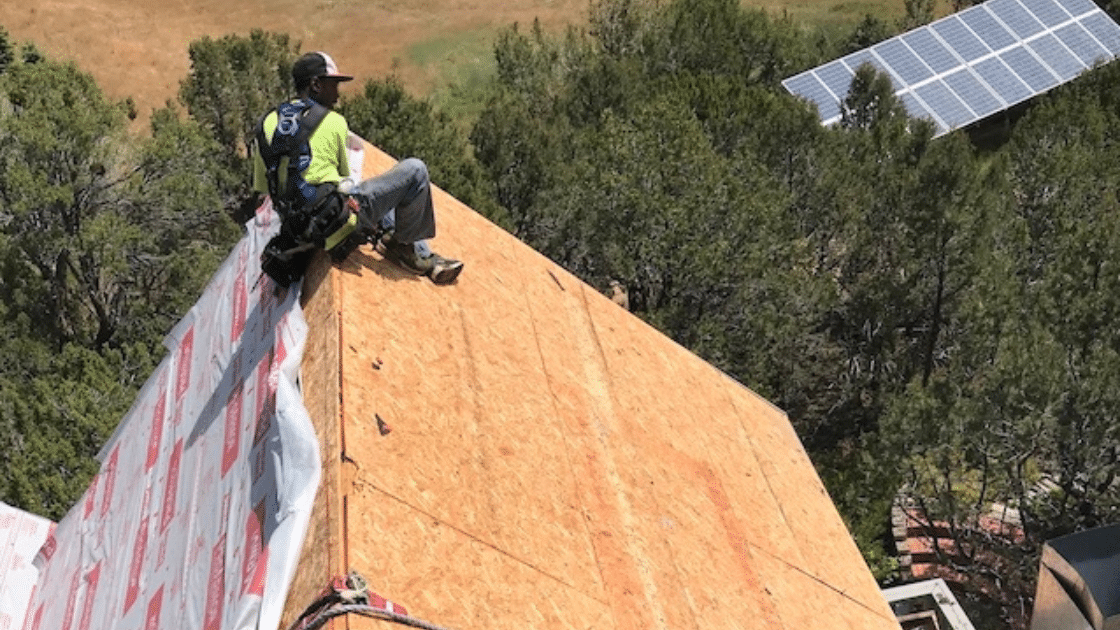
Regional Experience
We know the unique storm challenges in Albuquerque, Santa Fe, Edgewood, Los Lunas, and beyond. From extreme weather events to local building codes, our experience ensures confidence in the solutions we provide.
Reliable Emergency Response
We maintain equipment readiness and respond quickly to calls. Our prompt job completion helps homeowners feel protected during stressful times.
Comprehensive Service Approach
From tarping and temporary fixes to permanent repairs, we handle the entire process. Our team eliminates the need to juggle multiple contractors, giving you peace of mind and quality results.
Tarps on Roof Are Only a Temporary Solution
Emergency tarps on roof installations are vital for storm recovery, but they remain only a temporary fix. While they protect against rain, snow, and debris, they cannot replace quality materials or full repairs.
Professional installation reduces risk, ensures correctly installed tarps, and prevents additional damage. Once the tarping is in place, scheduling permanent repairs quickly is the only way to restore long-term protection.
For reliable emergency repairs and expert guidance through the entire process, call East Mountain Roofing at (505) 264-7081or fill out our online contact form to get started.
Our experienced roofers stand ready to assess the full extent of your roof damage, secure your property, and deliver lasting repairs for the future.