
Wind Uplift vs. Normal Roof Wear: How to Tell the Difference
After a storm moves through Central or Northern New Mexico, many homeowners notice lifted shingles, scattered granules, or dark areas on their roofs.
Some of these issues come from wind uplift, while others are simply normal wear caused by age and exposure. Knowing the difference between wind uplift vs normal roof wear is essential because each condition forms differently and requires different solutions.
This guide explains how to identify both conditions across shingles, sealant lines, edges, flashing, attic spaces, and metal components. It also highlights hidden damage, how different roof types react to storms, and how to document issues for insurance adjusters or roofing professionals.
How to Compare Wind Uplift vs. Normal Roof Wear
Wind damage is sudden, often from a single storm causing significant uplift forces, whereas normal wear on asphalt shingles is a gradual process.
To differentiate between the two, you must examine the timing, pattern, and location of the damage. Use this checklist to compare what you see on your roof, so you can decide if it’s time to call for a professional evaluation.
1. Asphalt Shingle Surface Condition
The surface of asphalt shingles often reveals the earliest signs of trouble. Wind forces can lift shingle tabs, bend the material, or break the sealant.
This motion creates wind uplift damage that appears as cracks, sharp creases, or exposed asphalt. After severe weather, check for a clear sign, such as shiny black spots, where granules are gone.
Normal wear and tear on an asphalt roof forms slowly. Sun, heat cycles, and rain cause predictable granule loss that spreads evenly across the roof. Each of these conditions affects roofing systems differently, and homeowners can often see the difference with a careful look.
| Factor | Wind Uplift Indicators | Normal Wear Indicators |
| Creases and Cracks | Linear cracks or bent areas from wind uplift and uplift forces. | Random microcracks from age, heat, and rain exposure. |
| Granule Loss | Clustered areas of missing granules caused by wind damage. | Even granule loss over time. |
| Color Change | Sudden clean patches created by wind-driven debris impact. | Uniform fading caused by long-term aging. |
2. Shingle Sealant and Adhesion
The sealant line is crucial for keeping shingles bonded. High winds and shifting debris can weaken this bond. When the seal breaks, the shingle lifts. This can allow water infiltration, water damage, and wind-driven rain to enter vulnerable joints.
Normal aging affects sealant as well, but it typically becomes brittle instead of breaking suddenly. Homeowners should gently check shingle edges to see if they lift too easily.
| Factor | Wind Uplift Indicators | Normal Wear Indicators |
| Sealant Bond | Broken adhesion from wind uplift. | Sealant intact but aged. |
| Sealant Transfer | Sticky residue on the lower shingle, a clear sign of uplift. | Even dryness from age. |
| Moisture Under Tabs | Damp underlayment from wind driven rain or water leaks. | Dry under normal conditions. |
3. Shingle Alignment and Edges
Alignment problems often point to wind stress or structural shifting. Homes in regions prone to storms experience gusts that target roof edges, corners, and open slopes first. These vulnerable spots often show significant damage when a storm passes.
Normal aging causes gentle curling around corners and edges, but it does not produce sudden misalignment. Many homeowners notice this section first because it is visible from the ground.
| Factor | Wind Uplift Indicators | Normal Wear Indicators |
| Lifted Shingles | Tabs lifted from wind uplift or strong winds. | Mild curling from heat. |
| Missing Tabs | Entire sections missing due to wind damage or debris impact. | Random missing tabs from aging or older materials. |
| Edge Detail | Damage concentrated at roof edges where wind flows enter. | Even wear throughout the slope. |
4. Attic and Interior Evidence
The attic often shows whether the roof suffered wind uplift damage or slow aging. When water infiltration occurs from uplift, the attic insulation becomes damp quickly. This can create mold growth, stains, and odors. Wind can also shift boards or nails in the roof deck.
Normal aging produces old, faded stains but not sudden ones. Homeowners should check for hidden damage in corners, rafters, and around previous repairs.
| Factor | Wind Uplift Indicators | Normal Wear Indicators |
| New Stains | Fresh dark marks caused by water intrusion. | Older, faded rings. |
| Daylight Gaps | Light coming through roof deck boards after uplift. | No new openings. |
| Drafts | Sudden airflow caused by wind entering weakened areas. | Stable attic airflow patterns. |
5. Metal Flashings, Vents, and Roof Accessories
Metal components show how your roof handled wind forces. Metal roofing, vents, and trim can shift or bend under pressure. Even durable standing seam metal roofs may experience movement if hit by wind-driven debris or if the installation quality was poor.
Normal wear on metal parts looks gradual, such as fading or surface rust, not sharp dents.
| Factor | Wind Uplift Indicators | Normal Wear Indicators |
| Metal Condition | Directional dents from strong winds. | Uniform fading. |
| Fastener Pull Out | Loose nails or screws around damaged flashing. | Tight fasteners with minor rust. |
| Sealant Condition | Torn sealant from wind stress. | Slow deterioration from UV exposure. |
6. Timing and Pattern of Roof Damage
Timing helps separate storm damage from normal aging. Wind uplift appears right after storms with high wind speed, while aging takes years. Patterns are also important. Different roof types show different reactions depending on slope, material, and design.
For example, low-slope roofing systems may show ponding or seam lifting, while asphalt shingle roofs show creasing. Metal roofs respond differently to uplift forces because the panels are locked together.
| Factor | Wind Uplift Indicators | Normal Wear Indicators |
| Timing | Issues appear immediately after wind damage. | Changes occur slowly. |
| Pattern | Damage on windward sides and vulnerable areas. | Even changes throughout the roof. |
| Debris | Large piles from debris impact or lifted shingles. | Small particles from weathering. |
When to Call a Professional Roof Inspector
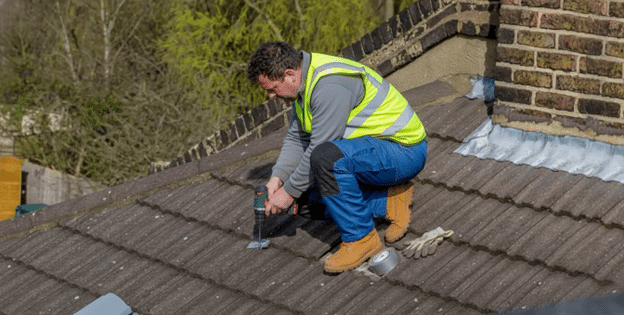
Wind damage related problems do not always cause leaks right away. A professional inspection can confirm whether the roof suffered wind uplift damage, structural damage, or long-term deterioration. A trained expert can also identify hidden damage in the deck, flashing, fasteners, and attic.
Call a professional roofer if you notice:
- Multiple lifted shingles
- Fresh attic stains
- Loose metal components
- Large granule piles
- Signs of water leaks or water damage
A qualified contractor can provide guidance on warranty coverage, potential repairs, and compliance with building codes. This helps ensure your roofing project meets requirements and avoids future issues.
East Mountain Roofing offers free inspections that include detailed photos, a clear summary of the findings, and straightforward repair or replacement recommendations. Every new roof comes with a 10-year labor warranty and up to 30-year manufacturer coverage, depending on the roofing product.
Schedule a Free Wind Damage Evaluation in New Mexico
If you are unsure whether you are seeing wind uplift, storm damage, or normal wear and tear, a quick professional inspection can confirm what is happening on your roof. A trained professional roofer can spot hidden damage, check for water intrusion, evaluate roof edges and shingle edges, and determine whether wind forces or roof age caused the issue.
East Mountain Roofing provides free inspections throughout Albuquerque, Santa Fe, Rio Rancho, Edgewood, the East Mountains, and nearby communities. We are here to help you catch issues early, prevent significant damage, and keep your home protected.
If you want a little extra peace of mind, our team is always happy to take a look. Call (505) 264 7081, Monday through Friday, to schedule an inspection.