
Architectural vs 3-Tab Shingles: What’s Worth It in New Mexico?
When planning a roof replacement, many homeowners ask whether architectural shingles are really worth the higher upfront cost or if 3-tab shingles are enough for New Mexico homes. The architectural vs 3-tab shingles decision affects durability, wind resistance, and your home’s curb appeal.
In Albuquerque, Rio Rancho, and Santa Fe, harsh weather conditions, high winds, and intense sun exposure all play a role in how asphalt shingles age. Open lots in Rio Rancho can see higher wind speeds along roof edges, while Albuquerque and Santa Fe homes often experience heavy UV exposure on south- and west-facing slopes.
In this guide, we explain the key differences between tab and architectural shingles, then compare lifespan, wind ratings, appearance, and cost so you can choose the right roofing material for your new roof. Installation quality and roofing system details matter just as much as shingle type.
What “3-Tab” and “Architectural” Shingles Actually Are
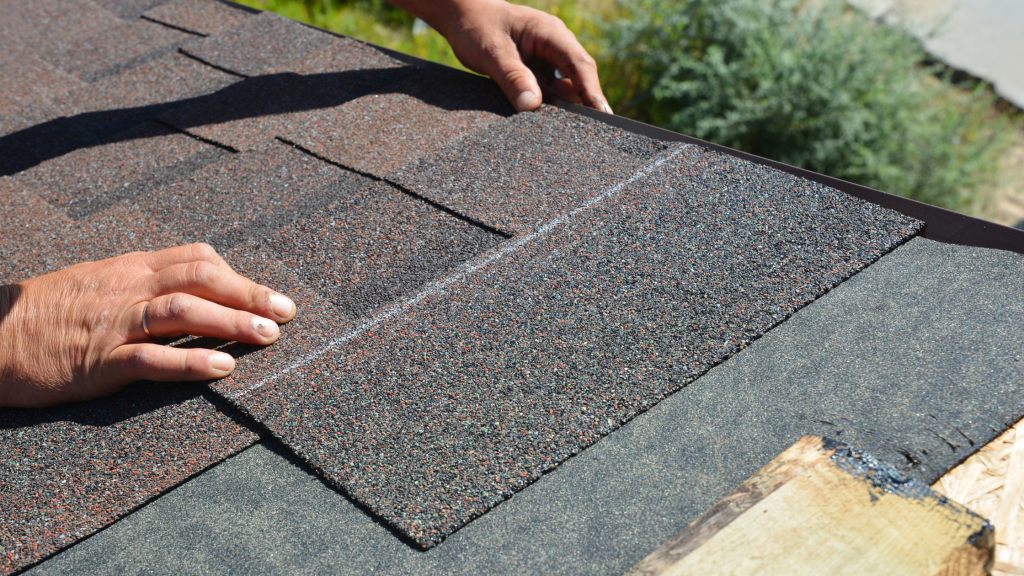
3-tab shingles are a traditional asphalt shingle with a flat appearance and a uniform shape. Each shingle has three cutouts, or tabs, which create a consistent pattern across the roof. This uniform appearance keeps costs lower and makes them a common option for homeowners on a tight budget or in mild climates.
Architectural shingles, also known as dimensional or laminated shingles, are built with multiple layers of asphalt fused together. This layered design creates shadow lines, depth, and a more upscale appearance. Architectural roof shingles are often designed to mimic wood shakes, such as cedar shakes, while offering better weather resistance.
Construction differences matter. Thicker laminated shingles typically seal more securely to the roof deck, resist cracking, and provide increased durability under high winds and sun exposure. Wind uplift performance is highly dependent on how well shingles seal, according to wind uplift testing by the Insurance Institute for Business & Home Safety (IBHS).
This research highlights how self-sealing performance influences shingle resistance to wind uplift forces rather than focusing on a single product type. Learn more in the IBHS wind uplift report.
Architectural vs. 3-Tab Shingles: Comparison by Features
Lifespan and Long-Term Wear in New Mexico Sun
Shingle lifespan depends on product quality, ventilation, and professional installation. No asphalt shingles last forever, especially in severe weather.
Architectural shingles generally offer a longer lifespan than 3-tab shingles. Their multiple layers and enhanced durability help them withstand UV exposure and temperature swings more effectively. In contrast, 3-tab shingles have a shorter lifespan and can lose granules faster under intense sun.
New Mexico conditions that affect both shingle options include:
- High UV exposure that breaks down asphalt shingles over time.
- Day-to-night temperature swings that stress roofing material.
- Attic heat buildup when ventilation is poor.
In Albuquerque, south- and west-facing slopes often show wear first. In Santa Fe, higher elevation and strong sun make finer quality materials more noticeable over time. If you plan to stay in your home long-term, choosing architectural shingles typically results in fewer repairs and better long-term value.
Wind Ratings and Real-World Blow-Off Risk
Wind ratings describe how shingles perform in standardized tests, but real-world wind resistance depends on the entire roofing system.
Most roofing shingles are typically rated using ASTM D7158 or ASTM D3161 testing. These tests measure wind uplift resistance under controlled conditions. Some architectural shingles offer higher wind ratings and are designed to withstand higher wind speeds than standard tab shingles.
Key differences between shingle types:
- Architectural shingles typically have more options with higher wind ratings.
- 3-tab shingles are often positioned as basic products with lower wind resistance ratings.
- Premium architectural shingles may include improved impact resistance and algae protection.
What truly helps shingles withstand winds:
- Correct nail placement into the roof deck.
- Proper starter strip installation.
- Secure ridge and hip caps.
- Adequate sealing during installation.
In Rio Rancho, open areas prone to high winds put extra stress on edges and corners. In Albuquerque, windy spring storms often expose weak installation details. Wind resistance comes from both the shingle and the installer, which is why working with certified contractors matters.
Curb Appeal, Texture, and Neighborhood Fit
Appearance is a major factor for many homeowners comparing architectural shingles vs 3-tab options.
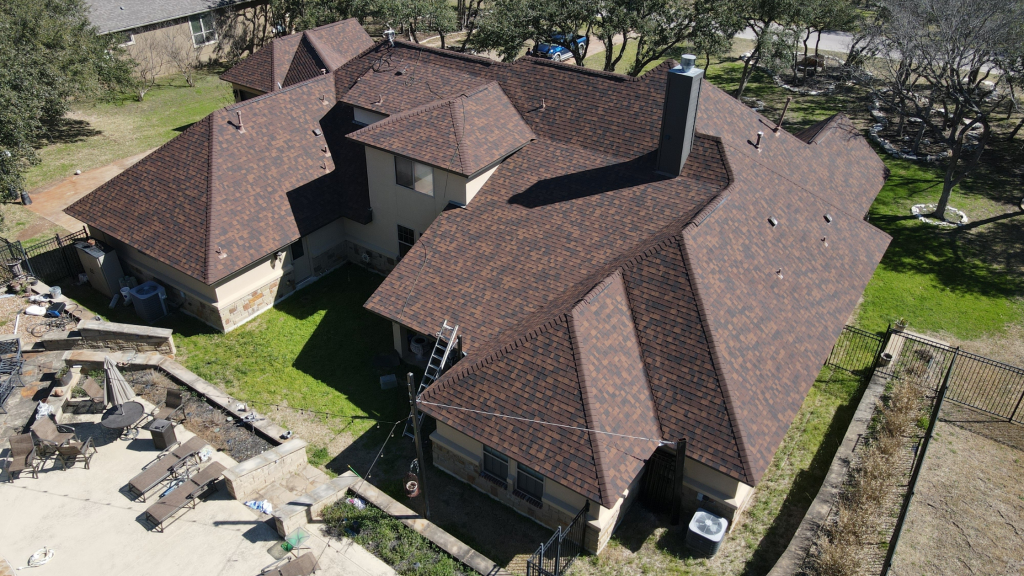
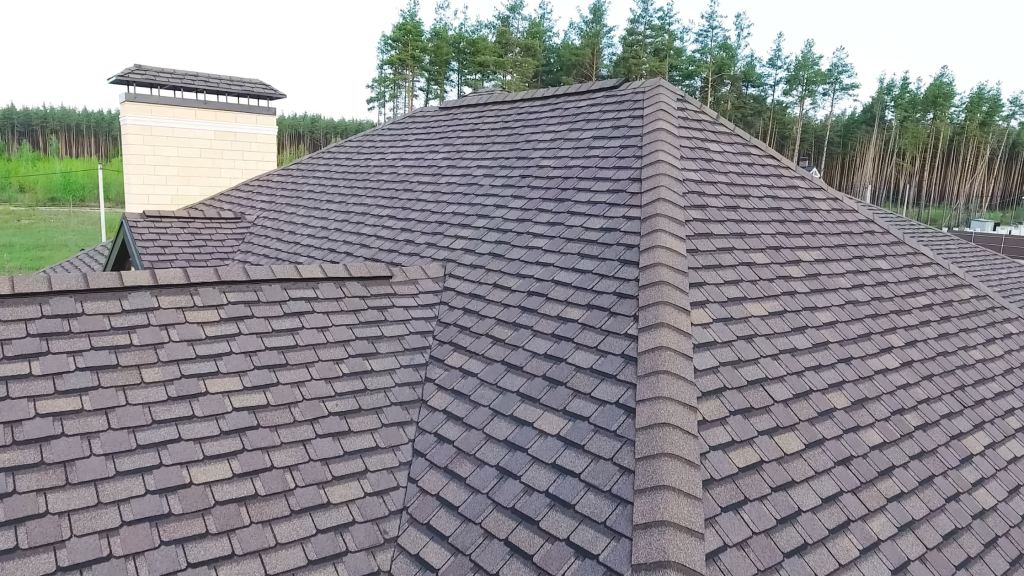
3-tab shingles have a flat appearance and uniform shape that reads simple and clean. Architectural shingles offer dimensional texture, deeper shadow lines, and stronger aesthetic appeal from the curb. Many laminated shingles are designed to mimic wood shakes while maintaining consistent performance.
Architectural shingles offer practical benefits beyond looks. Their thickness can help hide minor roof-plane waviness, which improves a home’s curb appeal. In Santa Fe, dimensional shingles often complement varied home styles and prominent rooflines.
In Albuquerque neighborhoods with strong street visibility, architectural shingles can noticeably enhance a home’s curb appeal and overall appearance.
Price and “Worth It” Math Without Guessing
Architectural shingles cost more upfront than 3-tab shingles, but the material price per square foot is only part of the equation.
Roof complexity, tear-off requirements, ventilation upgrades, and local building codes often influence total roof replacement cost more than shingle type alone. While architectural shingles have a higher upfront cost, they often provide a longer lifespan, superior durability, and fewer repairs over time.
A simple way to compare value:
- Upfront cost versus expected service life.
- Wind exposure and likelihood of blow-offs.
- Manufacturer warranties and warranty coverage.
In high-wind areas, installation method and shingle design matter just as much as price. FEMA’s high-wind asphalt shingle roofing guide explains how wind-resistant installation practices and shingle construction reduce uplift and blow-off risk, which directly affects long-term repair costs and roof performance.
Many architectural shingles come with stronger manufacturer warranties, including lifetime warranties on select products from brands like Owens Corning. For wind-exposed homes, fewer repairs and better weather resistance can shift the long-term math in favor of architectural shingles.
Architectural vs 3-Tab Shingles in NM: Get an Estimate Based on Your Wind and Sun Exposure
For most homeowners, architectural vs 3-tab shingles comes down to exposure, expectations, and budget. If you want enhanced durability, higher wind resistance, and improved curb appeal, choose architectural shingles for many New Mexico homes.
If you are working within a tight budget and your roof is more sheltered, 3-tab asphalt shingles can still perform well under optimal conditions when installed correctly.
Your roof deserves more than guesswork. Book a free roof inspection today by calling (505) 264-7081 or by filling out our contact form, and let East Mountain Roofing show you which shingle system will perform best for your home, budget, and local weather.