
New Mexico Roofing: Materials, Costs, and Storm Readiness
New Mexico roofing has to handle more stress than many homeowners expect.
Across Albuquerque, Rio Rancho, Santa Fe, and the East Mountains, residential and commercial properties face high winds, hail, intense UV exposure, and sudden monsoon rains. These conditions affect everything from roof installation quality to long-term roof repair needs.
Whether you are a home and business owner planning a new roof, replacing an aging system, or scheduling a roof inspection after a storm, choosing the right roofing materials matters.
This guide explains the climate threats unique to New Mexico, compares common roofing options, and outlines a practical decision framework so your roofing project protects your property without unnecessary costs.
New Mexico Roofing Climate Threats: Wind, Hail, UV, and Monsoon Rain
Roofing in New Mexico is shaped by a demanding mix of weather that tests both materials and workmanship.
Wind is one of the most common causes of roof damage, especially in open areas like Rio Rancho and the East Mountains. Gusts often lift shingles at edges and ridges first, leading to repairs or premature replacement if details are weak.
Monsoon season and summer storms in the Southwest can bring damaging winds and even large hail, with the National Weather Service issuing Severe Thunderstorm Watches and Warnings when conditions favor these hazards. These severe storms routinely produce gusts capable of stressing roof edges and fastenings.
Hail is another major concern for homeowners and businesses. Research from the NOAA National Severe Storms Laboratory shows that hail can cause widespread damage to structures, crops, and property when it falls during thunderstorms.
Frequent hail impacts can bruise shingles, damage gutters, or dent metal panels. Even when damage appears minor, it can compromise roof integrity and later lead to water damage if not addressed.
Sun and heat accelerate aging across New Mexico. South- and west-facing roof planes in Albuquerque and Santa Fe often experience faster wear, affecting energy efficiency and curb appeal. Monsoon rains then test flashing, valleys, and transitions through wind-driven rain. Large temperature swings add long-term stress, especially at higher elevations.

Roof Installation Options for New Mexico Homes and Properties (Shingle, Metal, Flat/TPO)
Choosing roofing materials is less about trends and more about matching the system to your roof type, exposure, and goals. A trusted roofing company will explain how each option performs in real New Mexico conditions instead of offering a one-size-fits-all solution.
Homeowners often focus on appearance and noise, while experienced roofers pay closer attention to seams, fasteners, drainage, and final installation details. Balancing budget, lifespan, and maintenance helps ensure lasting performance for both residential and commercial roofing needs.
Asphalt Shingles for New Mexico Roofing and Roof Repair
Asphalt shingles are one of the most common roofing materials for steep-slope homes. They are affordable, widely available, and relatively easy to repair. For New Mexico roofing, wind performance depends heavily on proper installation, including starter strips, correct nailing patterns, and sealed ridge caps.
Hail can cause granule loss or bruising that may not be visible right away. Impact-rated shingles can help reduce risk, but do not eliminate it. In Albuquerque neighborhoods and exposed Rio Rancho lots, FEMA guidance on asphalt shingle roofing for high-wind regions explains how proper construction details can reduce long-term damage risk.
Metal Roofing Systems Installed by Experienced Roofers
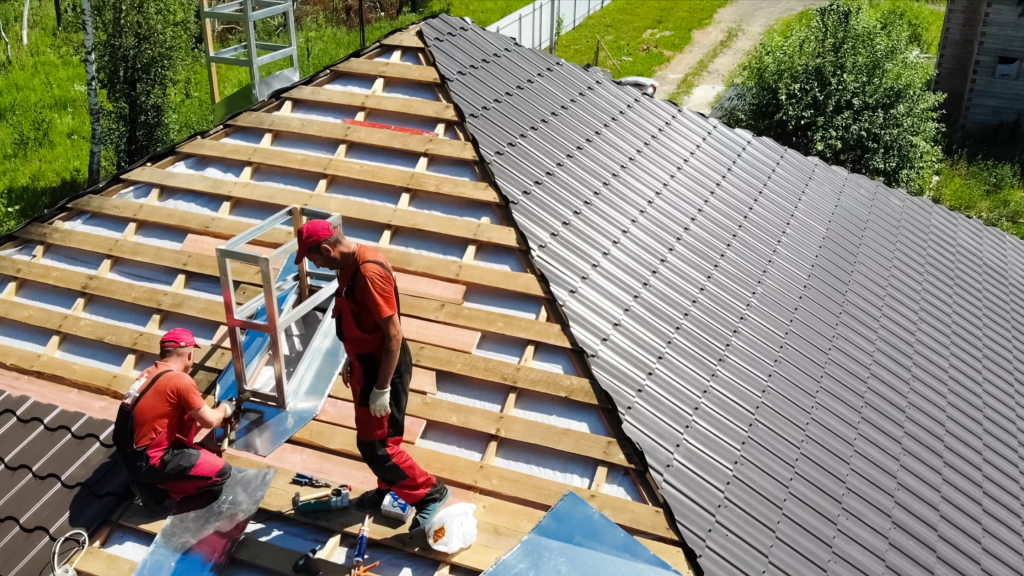
Metal roofing is a strong option for high sun, wind, and long service life. Standing seam and exposed-fastener systems both handle heat well, and many improve energy efficiency by reflecting solar gain. According to the U.S. Department of Energy, reflective roof systems can reduce roof temperatures and cooling loads in sunny climates.
Hail may leave dents, but functional performance depends on seams, fasteners, and flashing details. In the East Mountains, many homeowners and business owners choose metal roofs for durability, safety, and reduced maintenance when installed by an experienced roofing contractor.
Flat and Low-Slope Commercial Roofing (TPO Systems)
Flat and low-slope roofs require systems designed for water flow and seam strength. TPO roofing is commonly used for both residential additions and commercial roofing solutions in Albuquerque and Santa Fe.
Seam quality, flashing, and drainage design matter more than the membrane name. Reflective TPO systems can help protect the building, improve comfort, and reduce heat-related wear during intense New Mexico summers.
Storm-Ready Roofing Details Your Roofing Contractor Should Address
Storm readiness comes down to details that apply across all roofing services and materials. Wind resistance starts at the edges, starter strips, and fastening patterns. These areas are where many roofs fail first during strong storms.
Water resistance depends on properly installed flashings at walls, chimneys, vents, valleys, and transitions. During heavy rain and monsoon storms, these points protect the house or commercial property from leaks and interior damage.
Heat readiness includes ventilation and reflective options that reduce attic temperatures and stress on materials. After major storms, documenting visible issues and scheduling a roof inspection helps homeowners and businesses address problems early and maintain safety.
New Mexico Roofing Costs: What Roofing Companies Consider in an Estimate
Roofing costs in New Mexico vary by project, and no two estimates should look identical. Pricing is driven by roof size, slope, number of penetrations, tear-off scope, decking repairs, ventilation upgrades, access, and material choice.
A smart comparison looks beyond the initial number. Consider expected service life, likelihood of repairs, and storm exposure. In windy or hail-prone areas, a slightly higher upfront investment can protect the property and reduce long-term costs.
When reviewing estimates, ask what is included at edges, flashings, underlayment, and ventilation. Ask why specific product ratings are recommended. This helps homeowners, families, and businesses make informed decisions.

Schedule a Roof Inspection for Your New Roof or Roof Repair in New Mexico
If you are researching New Mexico roofing, the key takeaway is straightforward. A durable roof comes from the right material, proper installation, and attention to wind, hail, sun, and rain. Every house and commercial building faces different conditions.
Scheduling a roof inspection helps match a roofing system to your property and goals, whether you need roof repair, replacement, or guidance for new construction.
East Mountain Roofing works with homeowners and business owners across Albuquerque, Rio Rancho, Santa Fe, and the East Mountains to keep property safe and protected. Call (505) 264-7081 or fill out the contact form to schedule your free inspection.