
Shingle Roof Ventilation: Ridge Vents vs Box Vents
Proper ventilation is one of the most overlooked parts of a shingle roof, especially in Central New Mexico, where heat, wind, and dust put extra stress on roofing systems. Without the right setup, trapped heat and humid air can shorten shingle lifespan, raise energy bills, and cause moisture buildup inside your attic space.
Homeowners often ask whether ridge vents or box vents are better for proper roof ventilation. The answer depends on your roof design, attic size, and how well your intake and exhaust vents work together.
This guide breaks down both systems with New Mexico conditions in mind so you can build a properly ventilated roofing system that protects your home long term.
Why Shingle Roof Ventilation Matters in New Mexico
Shingle roof ventilation plays a critical role in how your entire roofing system performs. In Central New Mexico, attic temperatures can exceed 150°F, creating excessive heat that damages roofing materials and weakens your asphalt shingle roof over time.
When warm air gets trapped in your attic, it pushes heat back into your living space, making your air conditioner work harder. This leads to higher energy bills and uncomfortable indoor temperatures during peak summer months.
Proper ventilation allows hot air to escape through exhaust vents while cooler air enters through intake vents, creating balanced airflow.
Without this intake and exhaust system, you can end up with poor ventilation that causes long-term issues like:
- Curling roof shingles and premature aging
- Moisture buildup that damages attic insulation
- Mold growth and wood rot
- Rusty nails and structural damage to the roof deck
Ventilation is especially important after storm or wind damage repairs, which are common across Edgewood, Albuquerque, and the East Mountains. According to the ventilation guidelines from the U.S. Department of Energy, a well-designed ventilation system helps control temperature and moisture levels, improving overall roof performance.
What Are Ridge Vents and How Do They Work?
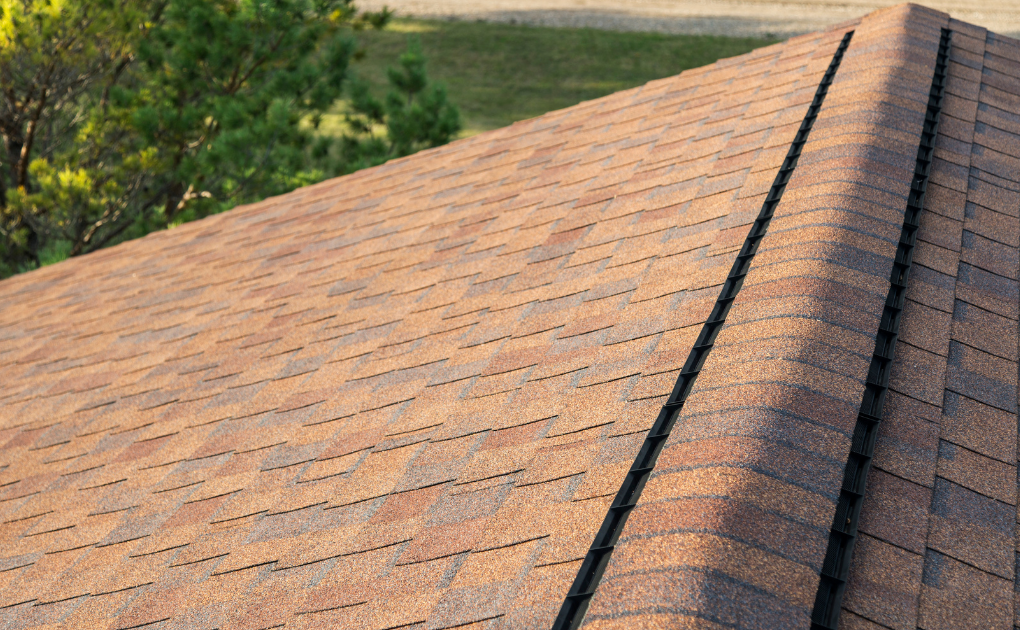
Ridge vents are installed along the roof’s peak, allowing hot air to naturally rise and exit your attic space. These exhaust vents run continuously across the ridge, creating optimal airflow when paired with soffit vents at the roof edges.
This type of attic ventilation relies on natural air movement. As warm air rises, it escapes through the ridge while fresh air enters through intake vents below, forming a balanced system.
Benefits of Ridge Vents
- Provide continuous airflow across the entire roof surface
- Blend into the roofline for a low-profile appearance
- Support efficient ventilation in a well-designed ventilation system
- Reduce moisture buildup and help regulate humidity levels
Limitations in NM Conditions
- Require properly installed soffit vents for intake and exhaust balance
- Dust and debris can enter if filters are not of high quality
- May not perform well on complex roof design layouts with multiple peaks
Ridge vents are often the preferred choice for a new roof because they create consistent airflow across the entire attic floor space. However, they must be installed correctly to avoid ventilation issues.
What Are Box Vents and How Do They Work?
Box vents are static roof vents installed near the roof’s peak in multiple locations. Unlike ridge vents, they provide localized exhaust rather than continuous airflow across the entire roof.
They allow hot air to escape from specific sections of the attic but do not rely as heavily on a full intake and exhaust system. This makes them a flexible option for certain homes.
Benefits of Box Vents
- Simple, cost-effective solution for roof ventilation
- Ideal for targeted ventilation in smaller attic sections
- Easier to install during repairs or when adding additional vents
- Work well when retrofitting older homes with limited ventilation
Limitations in NM Conditions
- Create uneven airflow compared to ridge vents
- More exposed to wind-driven rain and dust infiltration
- Require precise spacing based on square footage and attic size
- May need additional ventilation to achieve proper ventilation


Box vents can be useful when a ridge vent isn’t practical, but they require careful planning to ensure balanced airflow across the roofing system.
Ridge Vents vs Box Vents: Key Differences in Roof Ventilation Systems
When comparing ridge vents and box vents, the main difference comes down to how air moves through your attic ventilation system.
- Airflow: Ridge vents provide continuous exhaust, while box vents offer spot ventilation
- Appearance: Ridge vents are low-profile; box vents are visible on the roof surface
- Performance: Ridge vents typically deliver more efficient ventilation in extreme temperatures
- Durability: Performance depends on installation quality and resistance to wind-driven rain
- Cost: Box vents cost less upfront, but ridge vents often provide better long-term health for your roof
Both systems can work, but only when paired with proper intake vents and a balanced airflow strategy.
Rules of Thumb for Proper Shingle Roof Ventilation (Intake and Exhaust Balance)
To achieve proper roof ventilation, your system must follow a few proven guidelines used by shingle manufacturers and roofing professionals.
- Follow the 1:150 rule (1 square foot of ventilation per 150 square feet of attic floor space)
- Use a 1:300 ratio when a balanced system of intake and exhaust vents is present
- Always include soffit vents to supply fresh air into the attic
- Ensure exhaust vents (ridge or box) allow hot air to escape efficiently
Ridge vents work best when:
- The roof has a continuous ridge line
- The home includes properly installed soffit vents
- The goal is optimal airflow across the entire attic
Box vents work best when:
- The roof design is complex or segmented
- Retrofitting an older asphalt shingle roof
- Additional vents are needed to supplement an existing system
Avoid mixing ridge vents and box vents improperly, as this can short-circuit airflow and reduce ventilation efficiency. Improper ventilation can lead to moisture problems and indoor air quality issues, as explained in the EPA’s guide to mold and ventilation.
Common Roof Ventilation Mistakes Homeowners Make
Many ventilation issues come from improper installation or a misunderstanding of how intake and exhaust systems work together.
Common mistakes include:
- Installing exhaust vents without enough intake vents
- Blocking soffit vents with insulation
- Mixing different vent types incorrectly
- Choosing ventilation based only on cost instead of performance
- Ignoring New Mexico factors like extreme temperatures, dust, and wind
These mistakes can lead to poor ventilation, excessive heat buildup, and even structural damage like rotting wood or wood rot in the roof deck.
Watch for warning signs such as:
- Uneven roof temperatures
- Ice dams form in colder months
- High humidity levels in the attic
- Rusty nails or damp insulation
Which Ventilation System Is Best for Your Asphalt Shingle Roof?
The best ventilation system depends on your home’s layout, attic size, and existing roofing materials.
- Ridge vents are ideal for newer homes with a simple roof design and properly installed intake vents
- Box vents are better suited for older homes or roofs with multiple sections and limited airflow paths
In some cases, mechanical ventilation like power vents may be used, but they require a power source and are not always the most efficient ventilation option.
A professional inspection ensures your system is properly ventilated and designed for balanced airflow. Local expertise matters because Central New Mexico homes face unique challenges like wind-driven dust and high heat loads.
Schedule a Roof Ventilation Inspection in Central New Mexico
The right ventilation system can make or break the lifespan of your asphalt shingle roof, especially in New Mexico’s demanding climate. Ridge vents offer consistent, efficient airflow for well-designed roofs, while box vents provide flexibility for more complex structures.
The key is achieving balanced airflow with properly installed intake and exhaust vents. With the right setup, you’ll reduce moisture, control heat, and extend the life of your roofing system.
If you’re unsure what your home needs, East Mountain Roofing offers expert guidance, free inspections, and proven solutions tailored to Central New Mexico, helping you protect your roof and your home for years to come. Call (505) 264-7081 today or fill out the contact form to schedule your free roof inspection and estimate.
Frequently Asked Questions About Shingle Roof Ventilation
What is the difference between ridge vents and box vents for a shingle roof?
Ridge vents run continuously along the peak of the roof, allowing hot air to escape evenly across the entire attic when paired with soffit intake vents. Box vents are individual static vents placed near the peak in multiple spots, providing localized exhaust rather than continuous airflow. Ridge vents generally deliver more consistent performance in extreme heat — like what’s common across Central New Mexico — while box vents are a practical option for roofs with complex designs or when retrofitting an older home where a continuous ridge isn’t available.
Can poor roof ventilation shorten the life of my shingles in New Mexico?
Absolutely. In New Mexico, attic temperatures can exceed 150°F without proper ventilation, and that trapped heat degrades shingles much faster than normal. Poor ventilation also leads to moisture buildup, which can cause wood rot on the roof deck, mold growth in the attic, and premature curling or cracking of shingles. Proper intake and exhaust balance — following the standard 1:150 or 1:300 ventilation ratios — helps regulate temperature and humidity, significantly extending the lifespan of your roofing system.
Is it okay to mix ridge vents and box vents on the same roof?
Generally, no — and this is one of the most common ventilation mistakes. When ridge vents and box vents are installed on the same roof, the box vents can short-circuit airflow by pulling air from the ridge instead of from the soffit intake vents below. This disrupts the balanced intake-and-exhaust system and reduces the effectiveness of both vent types. If your roof currently has a mix of both, a ventilation inspection can identify whether the existing setup is functioning correctly or needs to be corrected.