

Over time, water intrusion, hidden water damage, and structural damage can develop, leading to costly repairs or even a full roof replacement.
In this guide, we’ll explain how small roof damage can turn into replacement, what warning signs to watch for, and how acting early can save money and protect your home.
Why Minor Roof Damage Can Turn Into Full Replacement
Small roof problems rarely stay small, especially in areas like Albuquerque and the East Mountains, where roofs are constantly exposed to wind, UV rays, and temperature swings. Minor damage, such as a few missing shingles or small cracks, can expose vulnerable areas of your roofing systems.
Once the protective layer is compromised, water intrusion begins. Moisture can seep into the roof decking, insulation, and even wood decking, causing hidden water damage that spreads beyond what’s visible. Many homeowners don’t notice the issue until interior damage like ceiling stains or mold growth appears.
Over time, what could have been a simple repair becomes a much larger problem. This progression is why many homeowners end up needing a full replacement when early repairs would have been more cost-effective.
How Small Roof Damage Turns Into Major Problems
Even minor roof damage can escalate quickly when exposed to repeated wind, rain, and UV exposure. Understanding how these small issues progress can help homeowners act early before simple repairs turn into major structural problems and costly roof replacement.
Missing Shingles and Asphalt Shingle Roofs
Missing shingles are one of the most common signs of roof damage, especially on asphalt shingle roofs. Even a few missing shingles can create entry points for water and expose the underlayment.
Wind can quickly expand the problem. According to the National Weather Service, .
What starts as minor damage can spread across the entire roof after just one major storm. If left unaddressed, these gaps allow moisture to reach the roof decking, increasing the risk of deeper structural issues and eventually leading to a full roof replacement.
Small Leak to Major Roof Leaks and Interior Damage
A small leak may seem manageable at first, but water rarely stays in one place. It can travel along beams and insulation, leading to damp insulation, mold growth, and hidden water damage.
By the time visible signs like water stains or ceiling stains appear, the damage has often spread significantly. Minor leaks can turn into repeated leaks or active leaks, affecting multiple areas of your home.
In many cases, what started as a leaky roof requiring a simple repair ends up causing interior damage that makes replacement more sense.
Delayed Repairs Lead to Costly Repairs
Delaying roof repair is one of the biggest reasons small problems escalate. Many homeowners put off repairs, thinking they can address them later, but this often leads to compounding issues.
Minor leaks and small cracks can evolve into deeper structural damage, weakening roofing systems over time. Multiple repairs across different sections can increase repair costs and still fail to solve the root problem.
Eventually, the cost of repeated repairs surpasses the replacement costs, making a full roof replacement the more practical and cost-effective solution.
Real-World Examples: Small Damage to Full Roof Replacement
Real-world scenarios show how quickly small issues escalate.
- A few missing shingles after wind damage were ignored, leading to widespread storm damage across the entire roof during the next storm.
- A small leak went unnoticed, resulting in mold growth, rotting roof decking, and the need to replace your roof completely.
- Damaged pipe boots and flashing caused minor leaks that spread into multiple areas, creating hidden water damage and structural concerns.
These examples highlight how small roof damage turns into replacement situations over months or years. Acting early could have prevented expensive repairs and preserved the roof’s expected lifespan.
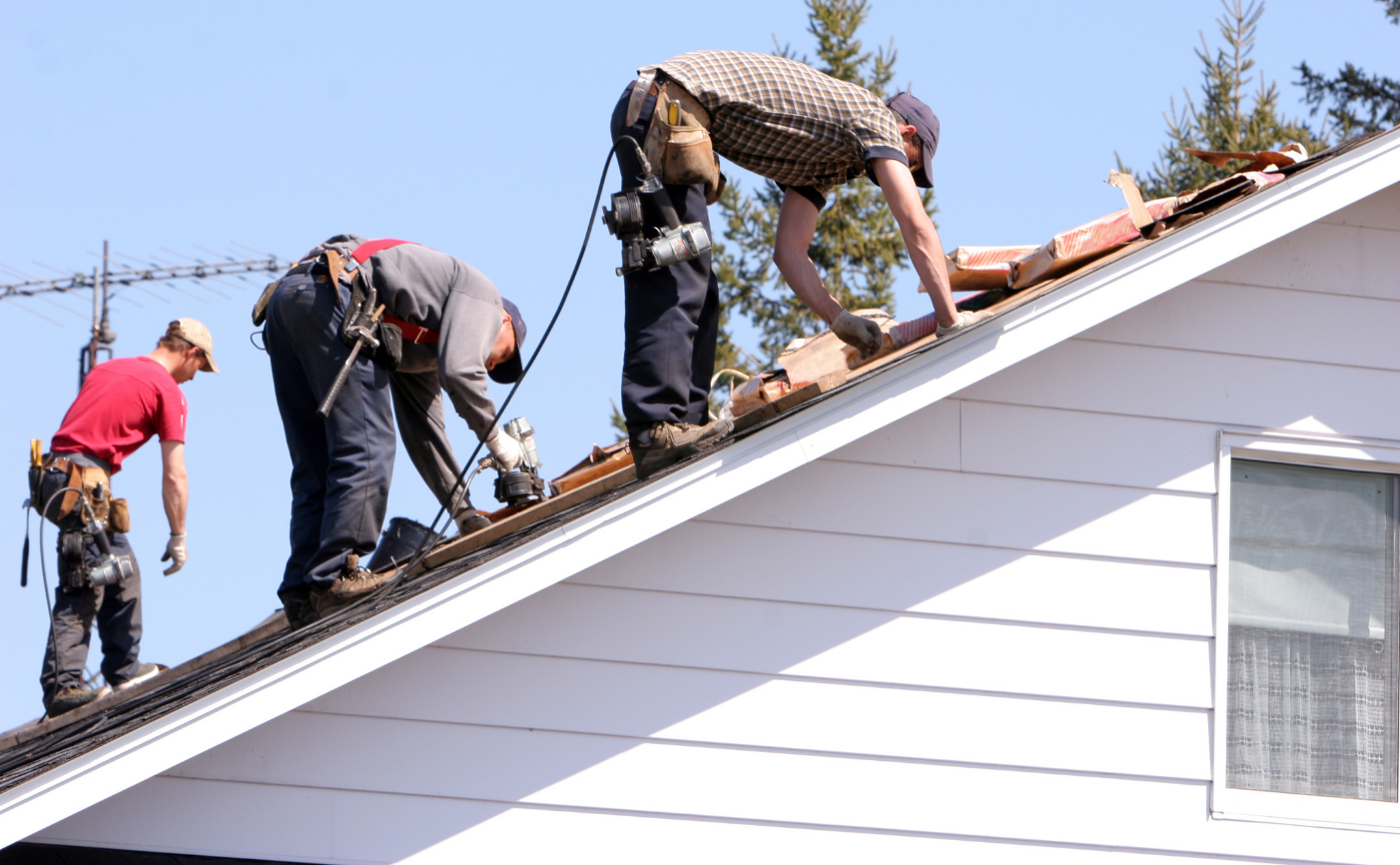
Repair vs Full Replacement: Cost Comparison and What Makes More Sense
Understanding costs helps homeowners make informed decisions. A simple repair like replacing shingles or sealing a leak has a lower upfront cost. However, multiple repairs over time can quickly add up.
A full roof replacement or new roof installation has a higher initial cost, influenced by roofing materials, labor, and roof size. But it eliminates recurring problems and improves energy efficiency and curb appeal.
Benefits of replacement include:
- Fewer ongoing home repairs
- Improved durability with modern roofing materials
- Better protection against future storms
- Warranty coverage (including a 10-year labor warranty)
While replacement may seem expensive upfront, it often makes more sense when damage is widespread.
Warning Signs Your Small Problem Is Getting Worse
It’s important to recognize visible signs before minor damage escalates.
Watch for:
- An increasing number of missing or damaged shingles
- Bald spots or granule loss on shingles
- Expanding water stains or ceiling stains indoors
- Musty odors or signs of mold growth
- Soft spots or sagging areas on the roof
These signs indicate that roof damage is spreading and may involve deeper structural issues. Catching these early can make all the difference in avoiding a full replacement.
When to Act: Why Early Roof Repair Is More Cost-Effective
Timing is everything when it comes to roof repair. Addressing minor damage early, especially after facing storm damage, can prevent issues from spreading.
Taking action quickly helps:
- Prevent water damage and interior damage
- Extend the useful life of your roof
- Reduce overall repair costs
- Avoid the need for a full roof replacement
Scheduling a storm damage roof repair is a smart step after any major weather event. A professional roofing contractor can assess vulnerable areas and recommend the best course of action.
Free inspections and a free quote make it easier for homeowners to understand their roof’s condition and feel confident moving forward.
Fix Small Issues Before They Become Major Expenses
Don’t wait for minor damage to turn into a costly replacement. Schedule your free inspection today by filling out our contact form.
Learn more about your options at East Mountain Roofing. Call (505) 264-7081 to speak directly with a trusted local roofing contractor and take the next step with confidence.
Frequently Asked Questions About How Much Roof Damage Requires Replacement
How quickly can a few missing shingles turn into a major roofing problem?
Faster than most homeowners expect — especially in Central New Mexico. Once shingles are missing, the underlayment and roof deck are directly exposed to UV rays, wind, and moisture. After just one significant monsoon storm or high-wind event, what started as a two- or three-shingle gap can open up into widespread damage across multiple roof sections. Water that enters through those gaps doesn’t stay localized — it travels along beams and insulation, often causing hidden damage that doesn’t show up as ceiling stains until the problem has already spread significantly.
At what point does repairing a roof no longer make financial sense?
When the total cost of repeated repairs starts approaching the cost of a full replacement, it’s usually time to replace. If you’ve had multiple repairs in different areas over the past few years, you’re likely dealing with a roof that’s failing systemically — not just in isolated spots. A new roof with a 10-year labor warranty and modern materials will almost always be more cost-effective long term than continuing to patch a roof that keeps failing. A professional inspection can help you see where your roof actually stands and whether repairs or replacement makes more financial sense.
What interior warning signs suggest small roof damage has already gotten worse?
The most common interior signs are water stains or discoloration on ceilings and walls, a musty smell in the attic or upper floors, and visible mold or mildew growth. Soft or sagging spots on the ceiling can indicate that moisture has reached the structural decking. By the time these signs are visible inside your home, the damage has usually spread well beyond the original entry point. If you’re seeing any of these, schedule a professional inspection right away — the longer you wait, the more costly the repair or replacement will be.