
ACV vs RCV Roof Claims: How Depreciation Changes Your Payout
After a hailstorm or high-wind event in Central New Mexico, many homeowners are surprised to learn that not all insurance roof claims pay the same way. The difference often comes down to two terms: ACV (Actual Cash Value) and RCV (Replacement Cost Value).
Understanding ACV vs. RCV roof claims can mean the difference between paying thousands in out-of-pocket costs or having most of your roof replacement covered under your home insurance policy.
In this guide, we’ll explain the difference between ACV and RCV, how depreciation schedules affect your claim, and how proper documentation can impact what your insurance company agrees to pay.
What Do ACV and RCV Mean in a Roof Insurance Claim?
What Is Actual Cash Value (ACV)?
Actual cash value (ACV) refers to the depreciated value of your roof at the time of loss. In simple terms, actual cash value equals the replacement cost minus depreciation based on age, wear, and expected lifespan.
With an ACV policy, your insurance provider determines how much your old roof was worth the day before the storm. That means you are paid the actual cash amount, not the full roof replacement cost.
Key points about ACV coverage:
- ACV = replacement cost minus depreciation
- Depreciation based on roof age, condition, and other factors
- Payment reflects depreciated value, not original cost
- Common on older roofs or lower-premium insurance coverage
Example:
- New roof replacement cost: $20,000
- 50% depreciation (old roof near certain age threshold) = $10,000
- The insurance company pays $10,000 minus your deductible
In this scenario, your out-of-pocket costs could be substantial, especially if special deductibles apply for storm damage caused by hail or wind.
What Is Replacement Cost Value (RCV)?
Replacement cost value (RCV) provides broader protection. With RCV coverage, your insurer pays the full cost to replace your damaged property, but in two payments.
First, the insurance company sends an initial check based on actual cash value. After the roof repair or full roof replacement is completed and documented, the rest of the money, called recoverable depreciation, is released.
Key points about replacement cost coverage:
- RCV = full replacement cost without long-term depreciation
- Initial payment reflects actual cash
- Remaining funds paid after proof of completion
- Often better financial protection after roof damage
Example:
- Replacement cost: $20,000
- Initial ACV payment: $12,000
- After completion and documentation → insurer releases the rest
- Final payout: $20,000 minus deductible
With an RCV policy, your risk tolerance and financial situation still matter, but your coverage is designed to restore your house to good condition.
For a consumer-friendly explanation of ACV vs RCV roof claims, review the National Association of Insurance Commissioners’ guide on the difference between replacement cost and actual cash value when rebuilding after a storm.
How Depreciation Changes Your Roof Claim Payout
Depreciation is the central factor in ACV vs. RCV comparisons. Insurance companies use depreciation schedules to determine how much value your roof has lost over time.
For example, asphalt shingles may have an expected lifespan of 20–30 years. If your roof is 18 years old, depreciation-based calculations will significantly reduce your payment under an ACV policy.
Metal and TPO systems may be evaluated differently depending on the insurance policy and coverage terms. The older the roof, the larger the gap between depreciated value and full replacement cost.
Why This Matters After New Mexico Storms
In Albuquerque, Edgewood, Rio Rancho, and the East Mountains, monsoon storms and hail frequently cause roof damage. Many homes have aging shingles, which increases depreciation and reduces claim payments.
Policy type determines whether depreciation is recoverable. With ACV coverage, depreciation is permanent. With RCV coverage, you can recover the rest after work is complete.
For additional guidance on how insurance and disaster assistance work together after a storm, FEMA outlines what to expect in their guide on what happens after you apply for assistance.
Understanding your insurance coverage before you file can help you determine your potential out-of-pocket exposure.
How Documentation Impacts Supplements and Final Payment
When you file a roof insurance claim, the insurance company prepares a scope of work. However, that scope does not always include every item needed to properly replace the roof.
Commonly missed items include:
- Flashing and vents
- Underlayment
- Code-required upgrades
- Ice and water barriers
- Disposal and labor adjustments
Supplements are requests for additional payments when the insurer’s estimate does not fully cover damage. Clear photo documentation from a qualified roofing contractor strengthens these requests.
The Role of a Free Roof Inspection
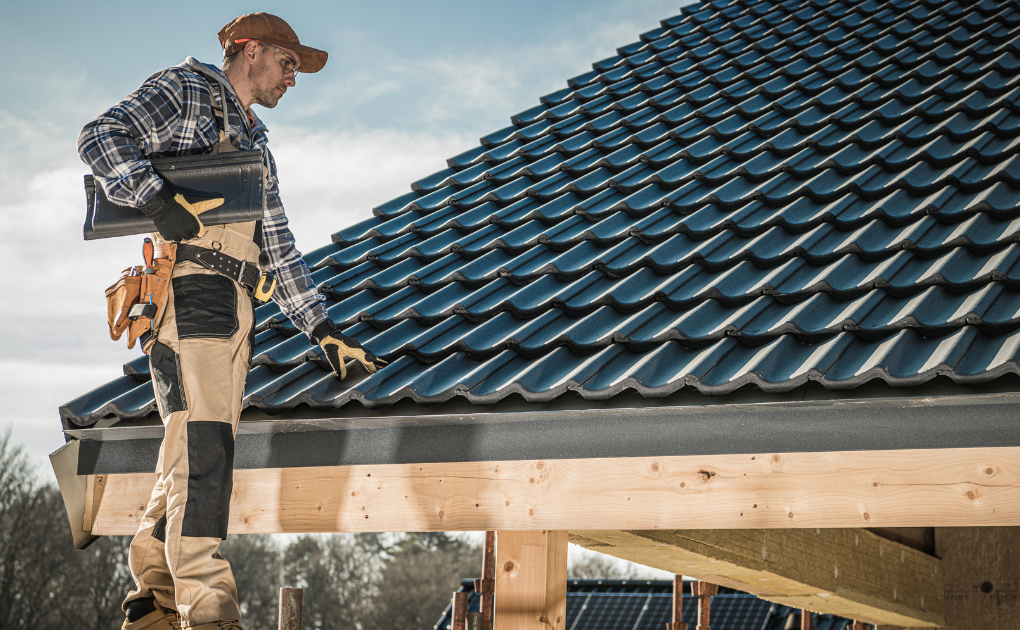
A detailed inspection identifies more than obvious shingle loss. It documents hail impacts, lifted tabs, soft decking, flashing damage, and other issues that affect roof insurance coverage.
At East Mountain Roofing, we provide a free roof inspection and line-by-line estimate that aligns with your insurance policy. This helps ensure the insurance company accurately covers damage caused by storms in Central New Mexico.
Learn more about our storm damage roof repair in Central New Mexico to understand how we support homeowners through insurance claims.
Why Proper Paperwork Speeds Up Recoverable Depreciation
With replacement cost value (RCV) policies, documentation is critical.
To receive the rest of your money, you typically must:
- Submit the final invoice
- Provide completion photos
- Show proof of roof replacement
Without proper paperwork, the insurer may delay payments. Clear communication between the homeowner, insurance provider, and roofing contractor helps avoid unnecessary delays and protects your financial position.
ACV vs RCV Roof Claims in Real-World Scenarios
Scenario 1: 18-Year-Old Shingle Roof (ACV Policy)
An old roof nearing the end of its expected lifespan may be heavily depreciated. Under an ACV policy, the insurance company pays based on actual cash value, leaving a large pocket gap.
Homeowners may need to cover high costs themselves, especially if special deductibles apply.
Scenario 2: 8-Year-Old Roof with RCV Policy
A newer roof in good condition has minimal depreciation. With RCV coverage, most of the full roof replacement cost is recoverable after completion.
Out-of-pocket expenses are typically limited to the deductible, assuming the insurance company agrees the damage is covered.
Scenario 3: Mixed Wind and Hail Damage
When storm damage involves both wind and hail, the scope may become more complex. Certain policies include separate deductible structures depending on the type of storm.
In these situations, detailed documentation helps determine what is covered and ensures the insurance company processes payments accurately.
How to Protect Yourself Before and After Filing a Roof Insurance Claim
Before you file a claim, review your insurance policy carefully. Confirm whether you have ACV coverage or RCV coverage and understand how depreciation works.
Other protective steps include:
- Schedule a free roof inspection before meeting the adjuster
- Keep copies of all insurance documents and payments
- Ask your insurance provider how depreciation is calculated
- Understand your deductible and any special deductibles
Working with a local roofing contractor familiar with Central New Mexico storms can make the process smoother and help you avoid unnecessary financial surprises.
ACV vs RCV Roof Claims in New Mexico: Get the Full Payout You Deserve
The difference between ACV vs. RCV roof claims directly affects how much money you receive after roof damage. Actual cash value policies factor in wear and depreciation, while replacement cost value policies aim to cover the full cost to replace your roof.
Depreciation isn’t just a technical term. It determines how much comes out of your pocket. Proper inspections, accurate documentation, and clear communication with your insurance company can significantly impact your final payments.
If your home in Albuquerque, Edgewood, Rio Rancho, Santa Fe, or the East Mountains has suffered storm damage, call (505) 264-7081 or request a roof inspection today by filling out our contact form.
East Mountain Roofing provides claim support and thorough documentation to help ensure your roof insurance claim is handled correctly.