

Commercial Roof Maintenance Checklist for New Mexico Buildings
Commercial buildings across New Mexico face extreme weather conditions that can wear down even a well-maintained roof. Wind pushes debris into drains, UV rays dry out sealant, and monsoon storms test every flashing detail.
This commercial roof maintenance checklist is designed to help building owners, commercial property owners, and facility teams stay ahead of roof leaks instead of reacting to costly problems.
By following a clear inspection schedule for flat roofs, metal roofs, and other roof types, teams can prevent leaks, reduce energy costs, and support long-term budgeting. Regular roof maintenance also creates documentation that protects warranties and helps justify repairs before minor issues turn into major problems.
For local support, many Central New Mexico facilities work with East Mountain Roofing for routine inspections and professional roofing company guidance.
Commercial Roof Maintenance Checklist by Frequency for Commercial Buildings
A commercial roof maintenance checklist works best when tasks are grouped by frequency. Monthly checks focus on drainage systems and visible issues. Quarterly and annual inspections dig deeper into the roofing system and attachment details that affect the life of your roof.

Monthly Commercial Roof Checklist for Flat Roofs and Metal Roofs
Goal: Keep water moving, catch small issues early, and prevent debris problems from turning into unexpected leak repairs.
Do monthly (safe, routine tasks; use trained staff and proper access protocols):
- Drainage check: Clear debris from roof drains, scuppers, gutters, and downspouts so water exits properly and standing water does not develop on flat roofs.
- Perimeter walk-through: Inspect edges and terminations for wind damage, wind-lifted metal, open seams, loose coping, or displaced gravel or ballast.
- Rooftop equipment zones: Check around HVAC curbs, supports, conduit, and lines for loose flashing, gaps, or foot-traffic wear that can lead to leaks.
- Interior quick scan: Inspect top-floor ceilings and mechanical rooms for new staining, musty odors, or damp spots that may indicate water damage.
In Albuquerque industrial areas, windblown grit frequently collects behind rooftop units and around drain sumps, increasing the risk of clogged gutters. In Rio Rancho, open exposure and sustained winds often push debris into parapet corners and scuppers faster than expected.
NRCA inspection and maintenance guidance emphasizes routine inspections and keeping drainage clear as part of proper maintenance to prevent costly problems and further damage.
Quarterly Commercial Roof Inspection and Preventive Roof Maintenance
Goal: Deeper detail checks that prevent slow leaks and protect high-risk areas such as penetrations, transitions, and edges.
Do quarterly (often best as a mixed approach using facility teams and roofing professionals):
- Seams and laps: Inspect for separation, wrinkling, lifted edges, or adhesive failure across the roof field of the commercial roof.
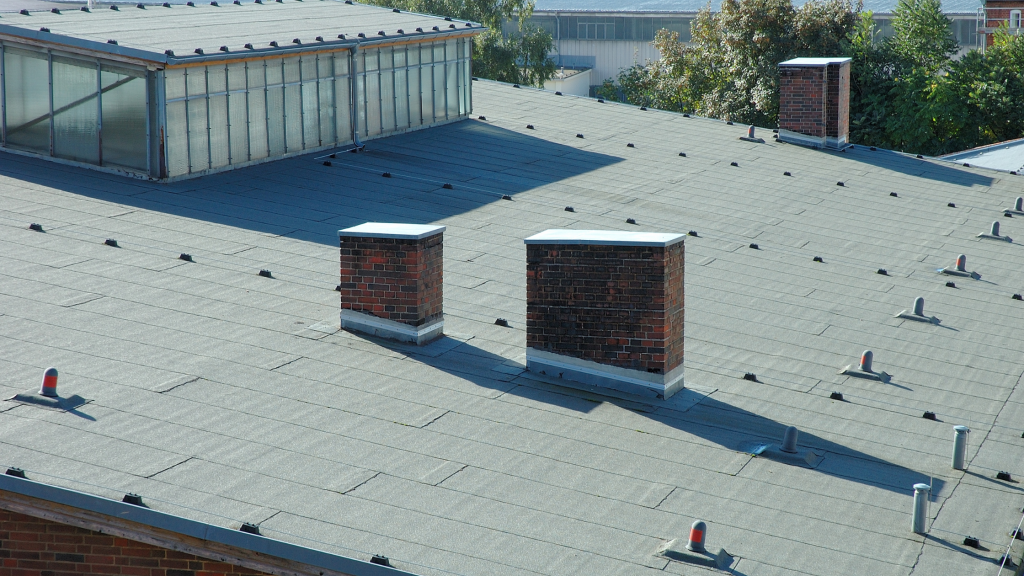
- Flashing and penetrations: Inspect pipe boots, skylights, vents, wall transitions, and equipment curbs for cracked sealant, gaps, or fastener issues.
- Metal roof specifics: On metal roofs, check exposed fasteners, washer deterioration, and panel trim at edges and ridges for movement or loosening.
- Drainage performance test: After cleaning, confirm that drains and scuppers pull water efficiently and identify recurring ponding water areas.
- Housekeeping: Remove sharp debris that could puncture roofing materials or damage surface coating systems.
In Santa Fe, large day-to-night temperature swings often cause sealant checks to fail sooner around penetrations and curbs. In Albuquerque, prolonged UV rays typically degrade thinner or aging sealant beads first, especially near rooftop equipment.
Annual Commercial Roof Maintenance and Life of Your Roof Planning
Goal: A comprehensive condition assessment that supports budgeting, repair planning, and the life of your roof.
Do annually (professional involvement strongly recommended):
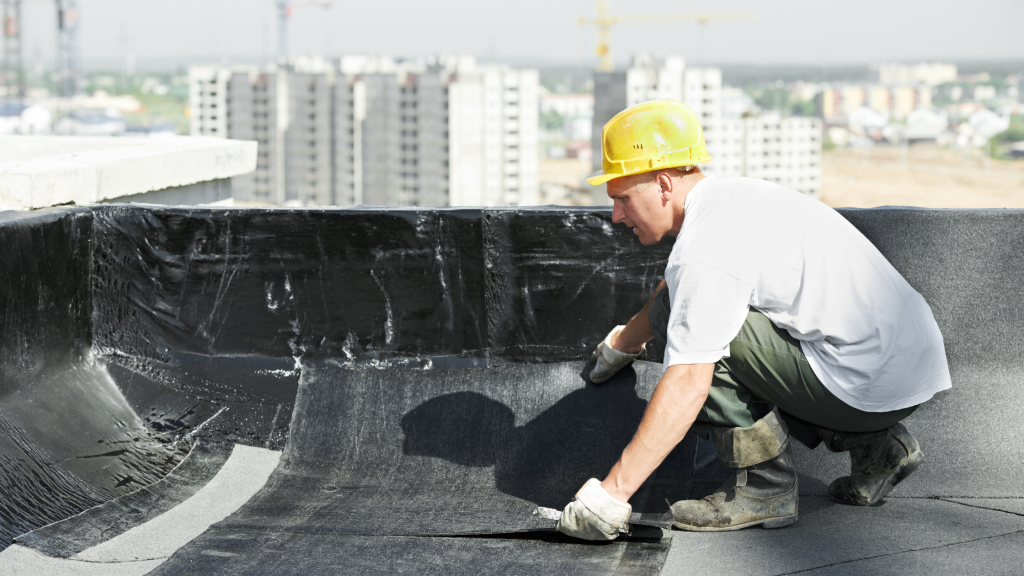
- Full roof condition report: Evaluate surface condition, seams, terminations, penetrations, flashing, drainage systems, and recurring ponding areas.
- Failure-zone review: Closely inspect parapets, wall transitions, equipment curbs, and high-traffic paths where damaged areas are more likely.
- Fastener and attachment review: Confirm fasteners and components are secure and not backing out under wind stress.
- Maintenance plan update: Prioritize repairs versus monitor items and establish a 12-month action plan with projected costs.
- Documentation: Maintain inspection records, photos, dates, and repair history to support warranties and insurance claims.
In Rio Rancho, annual inspections often reveal early edge and corner stress after windy seasons. In Albuquerque, consistent documentation explains why some roof zones age faster due to sun exposure and equipment traffic.
After Monsoon or Storm: Prevent Further Damage Quickly
After a major storm, a quick inspection helps prevent leaks and significant damage from spreading.
- Interior first: Look for new ceiling stains, active drips, or damp smells near mechanical rooms and corridors.
- Drainage reset: Clear debris from drains and gutters immediately, as wind and dust can refill them quickly.
- Edge and flashing scan: Inspect coping, metal edge, and flashing at penetrations for movement or damage.
- Photo documentation: Take wide shots and close-ups with date and time notes to support roof inspection records and insurance claims.
In Albuquerque, duststorm-to-rain sequences can clog drainage systems overnight. In Santa Fe, hail combined with wind often concentrates damage at exposed edges and corners.
Set Up a Commercial Roof Maintenance Plan in New Mexico
A commercial roof maintenance checklist is most effective when paired with a consistent plan and a local professional who understands New Mexico conditions. Monthly drainage checks, quarterly detail inspections, annual full reviews, and post-storm inspections work together to protect commercial roofs in the long run.
Regular maintenance helps prevent leaks, control energy efficiency, and avoid significant damage that leads to high costs.
East Mountain Roofing provides roofing services and offers maintenance plans for ongoing roof care across Central New Mexico. Building owners and facility teams can request a roof maintenance visit to keep their roof in top shape and extend the life of the roofing system.