
Hail Damage to Roof Shingles: A Homeowner’s Guide
In New Mexico, the dramatic beauty of our monsoon season and spring storms can sometimes bring a destructive force: hail. While it may seem like a minor annoyance, hail damage to roof shingles is one of the most common causes of roof damage for homeowners.
Learning how to identify hail damage is the first step in protecting your property. Spotting signs early and having your roof inspected helps prevent water damage, costly repairs, and even significant damage to your home’s structure.
Why Hail Is a Big Concern in New Mexico
Living in Albuquerque, Santa Fe, or anywhere in central New Mexico means facing extreme weather. A sudden hail storm can cause property damage ranging from minor damage to heavy damage.
According to the National Oceanic and Atmospheric Administration (NOAA), hail can range from smaller hail pellets to destructive chunks large enough to dent a car or tear through vinyl siding and aluminum siding.
The impact of hail is worsened by sunlight and intense heat. Asphalt shingles already exposed to UV exposure can become brittle, weakening faster after hail impacts. Protective granules knocked off by hail leave asphalt exposed, which accelerates deterioration.
Combined with high winds, heavy rain, and wind direction that drives ice into the roof, homeowners face a higher risk of long-term issues. For many property owners, insurance claims for hail are among the most common after severe storms.
What Hail Damage to Roof Shingles Looks Like

After a hailstorm, the challenge is determining how much damage was done. Some visible damage is obvious, but other impacts mimic normal wear. Here’s what to look for:
- Dents and Pits: Round dents or bruises on asphalt shingles. The material may feel soft to the touch.
- Granule Loss: Look for missing granules or piles of granules in gutters. This granule loss exposes the asphalt underneath.
- Cracks and Tears: Hail can cause cracks, splits, or tears at the edges of shingles.
- Damage to Other Types of Materials: Vinyl siding, aluminum siding, and even wood trim can also be affected. If these show damage caused by hail, your asphalt shingle roof likely has other issues too.
If you see these signs, it’s best to have your roof inspected. A professional can determine the severity, whether it’s minor damage that can be repaired or heavy damage requiring more extensive work.
The Risks of Ignoring Hail Damage
It’s tempting to ignore small or minor damage, but even smaller hail can create vulnerabilities. When protective granules are knocked away, shingles weaken and other issues arise over time. Constant sun exposure and rain can worsen cracks until leaks appear.
Unchecked, water seeps beneath shingles, leading to ice dams in winter, mold, and wood deck rot. This kind of damage caused by hail can affect insulation, cause higher energy bills, and shorten the life of your roofing materials. Eventually, homeowners may face the cost of replacing an old roof instead of just doing minor repairs.
Additionally, many insurance companies require prompt reporting. Waiting to file an insurance claim may reduce your coverage or result in denial, leaving you to pay the full roof repair cost out of pocket.
How Professionals Assess Hail Damage
While property owners may notice obvious signs, a professional inspection is needed to accurately determine the severity and range of the hail damage. Contractors check different types of building materials, including shingles, gutters, vents, and metal flashing.
Using chalk tests, roofers highlight the density of impacts to measure how much damage has occurred. They also consider exposure to the sun, trees providing natural barriers, and wind direction to assess where shingles may need replacing.
Documentation is prepared for your insurance company to support your insurance claim and ensure coverage for necessary repairs.
Proven Repair Methods for Hail Damage
Once the inspection is complete, repair methods depend on the severity of the damage caused:
- Shingle Replacement: Damaged areas, such as missing granules or cracks, can often be repaired with new shingles that match the existing roof.
- Sealant and Flashing Repair: Replacing dented metal flashing and applying fresh roofing materials like sealant help prevent leaks.
- Underlayment Repair: If hail has allowed water damage to penetrate, underlayment must be replaced.
- Roof Replacement: When the range of heavy damage is too large, replacing the whole roof with stronger roofing materials such as wood shakes or asphalt shingle roof systems may be the best option.
Whether it’s a pitched roof, flat roof, or steep roof, professional contractors ensure your roof is repaired correctly to withstand future storms.
Why Choose East Mountain Roofing?
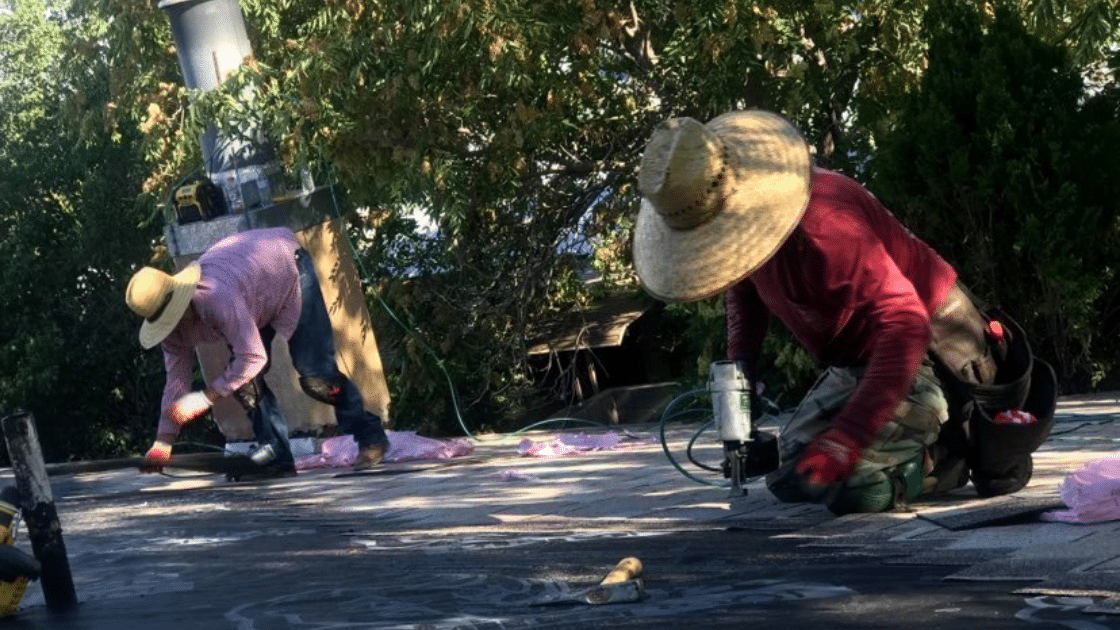
When property owners need hail protection and expert roofing materials, East Mountain Roofing provides durable solutions. We understand how severe storms, high winds, and hail affect local roofs and provide quality work tailored to your home.
We help homeowners through the insurance claim process, working directly with your insurance company to ensure fair coverage. From fixing a small leak to replacing an old roof after heavy damage, our team uses proven methods and trusted building materials.
Protect Your Home from Hail Damage
Don’t let a hail storm weaken your roof. The best way for homeowners to protect their property is to schedule a professional inspection after severe storms. Promptly having your roof inspected and repaired lowers risk, prevents further damage, and ensures your insurance claim is handled properly.
If you suspect hail damage to roof shingles, contact East Mountain Roofing today at (505) 264-7081or fill out our online contact form to have your roof inspected and restored with durable roofing materials.