
The right choice depends on several factors, including how much roof damage requires replacement, the age of your existing roof, and whether you’ve had frequent repairs.
In this guide, we’ll break down the key thresholds and signs you need to confidently decide whether to repair or replace your roof.
Roof Repairs vs Complete Roof Replacement: Why the Decision Matters
Choosing between roof repairs and a complete roof replacement affects both your short-term budget and long-term investment. While minor repairs may seem like a way to save money, they can quickly turn into costly repairs if the roof’s condition continues to decline.
In Central New Mexico, storm damage from high winds and hail impacts can shorten the lifespan of common roofing materials like asphalt shingles.
Many homeowners don’t realize that repeated fixes on a weakened system often fail, especially after a major storm.
A new roof using more durable materials like metal roofing or architectural shingles can improve energy efficiency and help reduce cooling costs.
On the other hand, an aging roof with visible damage can lower property value and raise concerns for buyers.
Insurance companies also play a role. After severe storm damage, filing an insurance claim may lead to partial or full insurance coverage, depending on the extent of damage.
How Much Roof Damage Requires Replacement? Key Factors
Determining whether a roof can be repaired or needs full replacement depends on several factors. Understanding these can help homeowners make informed, cost-effective decisions after storm damage or ongoing wear.
Percentage of Roof Damage
One of the most important factors in deciding whether to repair or replace your roof is how much of the entire roof is affected.
- Less than 20% damage: Usually manageable with minor repairs, especially if the existing roof is in good condition.
- 20–40% damage: Depends on the roof’s condition, roofing materials, and repair history.
- More than 40% damage: A full roof replacement or complete roof replacement is often more cost-effective.
Most roofing contractors and insurance companies use similar guidelines. If a large portion of damaged shingles or roof boards is affected, a roof replaced section-by-section may not hold up long-term.
Old Roof Age and Lifespan Considerations
The age of your old roof is another major factor. Asphalt shingles, the most common roofing material, typically last 20–30 years, while metal shingles and slate roofs can last longer with proper maintenance.
As roofs age, they become brittle and more prone to damage from hail impacts, heavy snow, and future storms. Matching older roofing materials, especially slate tiles or discontinued shingles can also be difficult.
If your roof is nearing the end of its lifespan, even minor issues may signal it’s time to replace your roof rather than continue repairs.
Recurring Roof Repairs and Underlying Roof Damage
Frequent repairs are a clear warning sign that deeper issues exist.
Common indicators include:
- Frequent leaks in different areas
- Increasing repair costs over time
- Repeated issues with roof flashing
- Ongoing problems despite regular maintenance
At this stage, continuing to perform roof repairs often leads to a higher total cost than a full replacement. Many homeowners delay the decision, but repeated fixes rarely address underlying structural damage.
3 Visual Signs of Severe Roof Damage Beyond Repair
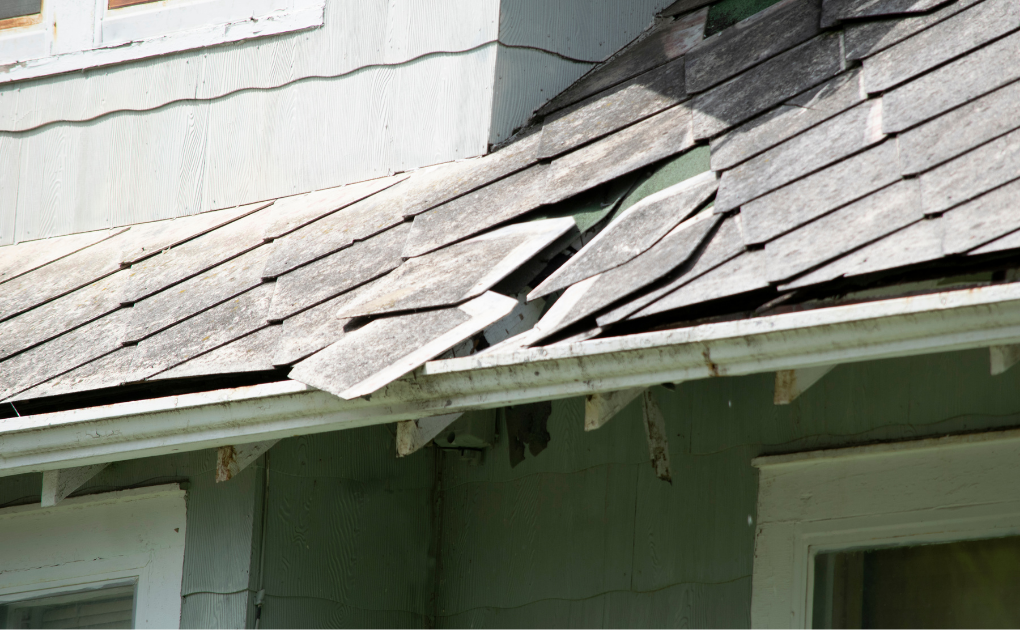
Some roof problems are easy to spot, but others point to serious underlying damage that repairs alone may not fix. Recognizing these visual warning signs early can help homeowners avoid ongoing leaks, structural issues, and more costly damage over time.
Widespread Shingle and Hail Damage
Visible damage across multiple areas of your roof often signals that repairs are no longer enough.
Look for:
- Missing shingles across different sections
- Cracked or damaged shingles
- Granule loss or algae growth
- Uneven appearance across the roof slope
These are clear signs you need to consider a full replacement, especially if the damage affects the entire roof.
Persistent Roof Leaks and Interior Water Stains
Roof leaks often point to deeper system failures rather than isolated issues.
Watch for:
- Water stains on ceilings or walls
- Mold or mildew growth
- Dripping during storms
- Multiple leak points
Frequent leaks usually indicate widespread roof damage, not just a localized problem.
Structural Issues: Sagging Roof and Roof Slope Problems
Structural issues are among the most serious warning signs.
These include:
- A sagging roof or uneven roof slope
- Rotting roof boards beneath the surface
- Damage caused by a major storm or debris
When structural damage is present, a complete roof replacement is typically necessary to restore safety.
Roof Repair Costs vs Replacement Costs: What to Expect
Repair costs vary depending on the extent of the damage, but they are generally lower upfront than a full roof replacement. However, frequent repairs can quickly increase the actual cost over time.
A roof replacement involves factors like roof size, labor costs, roofing materials, and the complexity of the roof installation. While the roof replacement costs are higher initially, they often save money long-term by eliminating repeated service calls.
Homeowners can also choose between different roofing materials, including asphalt shingles, metal roofing, or other more durable materials, depending on their budget and goals.
Benefits of replacement include:
- Lower long-term repair costs
- Improved energy efficiency
- Strong warranties (including a 10-year labor warranty and manufacturer coverage)
- Increased home value
In many cases, investing in a new roof is more cost-effective than ongoing repairs.
When to Schedule an Inspection After Storm Damage or Before an Insurance Claim
A professional inspection is essential when damage isn’t fully visible.
You should schedule one if:
- Your home has experienced hail damage or a major storm
- You notice visible damage or a sagging roof
- You’re planning to file an insurance claim
- You’re unsure whether to repair or replace
Working with a trusted roofing company ensures accurate assessment and guidance. East Mountain Roofing provides inspections and free estimates within 24–48 hours, helping many homeowners navigate insurance coverage and next steps.
Get Clarity Before You Spend on Repairs
Not sure if you need a roof repair or a full replacement? Don’t guess. Get clear, expert guidance before spending money on costly repairs. Schedule your free inspection and estimate with East Mountain Roofing and get honest answers about the condition of your roof and the best path forward.
Simply fill out our contact form or call (505) 264-7081 to speak directly with our local team and take the next step with confidence.
Frequently Asked Questions About How Much Roof Damage Requires Replacement
What percentage of roof damage typically means I need a full replacement?
As a general industry guideline, damage affecting less than 20% of the roof can usually be handled with targeted repairs — assuming the rest of the roof is in decent condition. When damage reaches 20% to 40%, the decision depends on the roof’s age, material type, and repair history. Once more than 40% of the roof is affected, a full replacement is almost always the more cost-effective and practical solution. Patching a roof section by section across that much surface area rarely holds long-term, especially under New Mexico’s wind and hail conditions.
Does my roof's age affect whether I should repair or replace it after storm damage?
Yes, significantly. Asphalt shingles typically last 20 to 30 years, and an older roof that takes storm damage is often already near the end of its useful life. On an aging roof, even moderate hail or wind damage can be the tipping point — matching discontinued shingle styles becomes difficult, and the remaining materials are usually too brittle to support a lasting repair. If your roof is 15 years or older and has sustained storm damage, replacement is often the smarter long-term investment, especially when insurance coverage may offset a large portion of the replacement cost.
What are the clearest signs that my roof has damage beyond what repairs can fix?
Three major red flags signal that repairs are no longer enough. First, widespread shingle damage — missing, cracked, or granule-bare shingles across multiple sections of the roof, not just one area. Second, persistent or recurring leaks showing up in different spots, which points to systemic failure rather than an isolated issue. Third, structural problems like a sagging roofline, soft spots underfoot, or rotting roof boards visible during inspection — these indicate the damage has gone past the surface and into the structure of the roof itself, making full replacement necessary for safety and long-term performance.