

Best Metal Roof Color in New Mexico: What Color Works Best for New Mexico Homes?
Choosing the best metal roof color NM homeowners can use is both a design and performance decision. In New Mexico’s high-sun climate, your roof color can affect heat absorption, cooling comfort, curb appeal, and how well your home fits the surrounding landscape.
The right color depends on your sun exposure, home style, energy goals, HOA rules, and the look you want from the street. It should also blend well with stucco, stone, brick, wood, tile, clay, slate, and desert landscaping.
Lighter colors usually reflect more heat, but modern cool roof coatings can improve the performance of some darker colors too. That is why choosing a new metal roof color should be about more than picking the shade you love most.
How Metal Roof Color Affects Heat Absorption in New Mexico Homes
Metal roof color makes a real difference in hot climates, especially in New Mexico homes exposed to strong sun, high-altitude conditions, and long summer days.
Lighter metal roof colors generally reflect more sunlight and absorb less heat, while darker colors absorb more solar energy and can raise roof surface temperature.
Cool roof performance is not just about light versus dark. Solar reflectance measures how much sunlight the roof reflects. Thermal emittance measures how well the roof releases absorbed heat back into the air.
Paint and coating technology, attic insulation, ventilation, roof orientation, and shade also affect performance. A cool roof rating can help you compare metal panels more clearly, but it should be reviewed along with the full house, HVAC setup, and roofing materials.
For example, Albuquerque and Los Lunas homes with large west-facing roof planes may benefit from lighter or cool-rated colors. Rio Rancho homes on open lots may have less shade, making color and reflectivity more noticeable during summer.
A roof color can help with heat management, but it should not be treated as a guaranteed way to lower energy costs by a specific amount.
Energy Efficiency for a New Metal Roof in New Mexico
Energy efficiency is one of the most common reasons New Mexico homeowners compare metal roof colors carefully. Light colors such as white, light gray, beige, silver, and light tan are often good options because they can help reduce heat gain.
Some medium and darker colors may still perform better than expected if manufacturers use cool-rated pigments or engineered coatings. According to the EPA’s guidance on cool roofs, cool roofing products can include metal roofing on steep-slope roofs and may help reduce heat buildup.
During a consultation, ask:
- Is this color cool-rated?
- What are the solar reflectance and thermal emittance values?
- How does this color compare with a darker or lighter option?
- How does attic insulation affect final performance?
A home in Albuquerque’s Westside with strong afternoon sun may prioritize reflective metal roofing and cool metal roof colors. The key is to say the color can help reduce heat gain, not that it will lower your bill by a promised amount.
Best Metal Roof Color Choices for New Mexico Homes
The best metal roof color NM homeowners choose should fit the home’s climate, style, budget, and long-term investment goals.
Unlike asphalt shingles, concrete tiles, clay tile, rubber roofing, thermoplastic polyolefin for flat roofs, or other materials, metal roofing is versatile and comes in many durable styles.
| Color Family | Best For | Heat Performance | Style Fit |
| White, light gray, and silver | High sun exposure | Excellent | Modern and urban homes |
| Beige, tan, and sand | Desert curb appeal | Very good | Stucco and Southwestern homes |
| Bronze, brown, and weathered tones | Natural settings | Moderate unless cool-rated | Rustic and mountain homes |
| Charcoal, black, and dark gray | Bold contrast | Lower unless cool-rated | Modern homes |
White, Light Gray, and Silver: Best for Heat Reflection
White, light gray, and silver are often the strongest options when heat reflection is the top priority. These colors are suited for homes with large sun-exposed roof planes, modern architecture, and homeowners who care about summer cooling comfort.
They can be especially suitable for Albuquerque and Rio Rancho homes with limited shade. The only thing to keep in mind is that very light roofs may show dust, pollen, and debris more visibly throughout the day.
Beige, Tan, and Sand: Best for Desert-Friendly Curb Appeal
Beige, tan, and sand are popular Southwestern metal roof colors because they balance reflectivity with a warmer look. These colors often make sense for stucco homes, earth-tone trim, stone accents, and desert landscaping.
They also feel softer than bright white while staying lighter than dark brown or black. Santa Fe, Corrales, and East Mountain homes often pair well with these warm neutral shades.
Bronze, Brown, and Weathered Metal Tones: Best for Rustic or Mountain Settings
Bronze, brown, and weathered metal tones work well with wood, stone, brick, and natural surroundings. They are a good fit for mountain-style homes, ranch-style homes, and properties with darker trim or natural wood accents.
These darker tones usually absorb more heat unless they use reflective coating technology. Cedar Crest, Sandia Park, Edgewood, and East Mountains homes may use these colors to blend with trees, rock, and mountain views.
Charcoal, Black, and Dark Gray: Best for Modern Contrast, But Use Carefully
Charcoal, black, and dark gray can look bold, clean, and modern, especially with white stucco, black window frames, or contemporary designs. These colors can give a house strong curb appeal and a higher-end style.
However, dark colors can absorb more heat, so they should not be chosen based on looks alone in high-sun areas. If you like this class of color, compare cool roof ratings, insulation, ventilation, and product quality before you install.
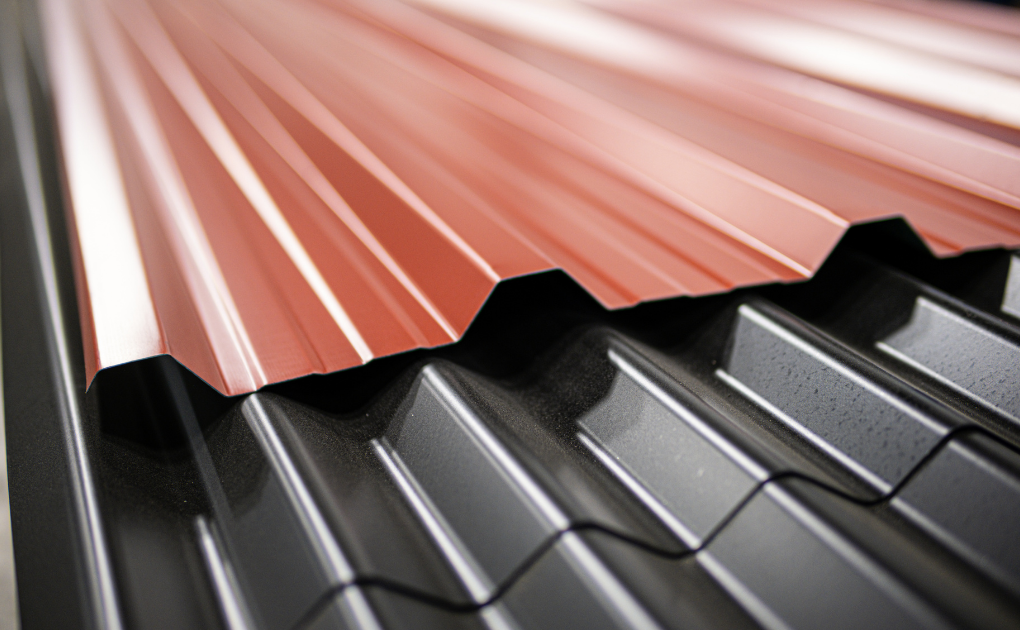
Match the Metal Roof Color to Your Home Style and Neighborhood
The best way to choose a color is to look at the full exterior, not just the roof. Match your metal roof color to your stucco, trim, stone, brick, garage doors, window frames, and landscape colors.
Light stucco can look good with charcoal, bronze, tan, or warm gray. Earth-tone stucco often works with sand, bronze, brown, or weathered metal. Modern homes may look best with black, dark gray, or clean light gray, while rustic homes may fit better with brown, bronze, copper-like, or weathered finishes.
HOA and neighborhood rules are also critical. Some Rio Rancho subdivisions may require color review before replacing an old roof. Santa Fe homes may need shades that respect adobe and earth-tone design expectations.
East Mountains homes may prioritize colors that protect the home visually by blending into wooded or rocky surroundings. For more help comparing styles, read East Mountain Roofing’s guide on how to choose a metal roof color in New Mexico.
Practical Color Selection Checklist Before You Decide
Before choosing a metal roof color, compare your options in real light and real surroundings. Color charts can look different on screen than they do on actual metal panels installed on a roof.
Ask yourself:
- Is the roof highly exposed to afternoon sun?
- Do you prioritize lower heat absorption or stronger visual contrast?
- Is the home shaded by trees, neighboring buildings, or landscape?
- Does your HOA or neighborhood have color limits?
- What exterior materials should the roof complement?
- Are you choosing standing seam or exposed fastener panels?
- Does the color have a cool roof rating or published reflectance data?
Standing seam metal roofs use concealed fasteners for a clean look and strong protection. Exposed fastener roofing uses visible screws and can be a more affordable option depending on the project, roof type, and budget.
Look at samples in direct sun, shade, and at different times of day. A tan that looks subtle indoors may look much lighter in the Albuquerque afternoon sun. A dark bronze may look great in the East Mountains, but you should still check heat-performance expectations.
Taking time to compare colors is a practical step that helps your new roof look good, perform well, and last for decades.
Best Metal Roof Color in New Mexico: Get Help Choosing the Right Shade for Your Home
The best metal roof color NM homeowners choose should balance sun exposure, energy goals, curb appeal, and the home’s surroundings. Lighter colors generally help with heat reflection, earth tones often fit New Mexico homes naturally, and dark colors can look modern when carefully compared for heat performance.
Samples, product ratings, coating technology, and local climate guidance all make a difference. Whether you are replacing asphalt shingles, comparing metal to concrete tiles, or planning a durable new metal roof, East Mountain Roofing can help you review your options with confidence.
East Mountain Roofing installs metal roofs, offers inspections and free estimates, and helps homeowners compare metal roofing options for New Mexico’s climate. To get started, request a metal roof estimate today or call (505) 264-7081 to schedule an inspection.

Signs Your Home May Have Missing or Failed Kickout Flashing
You can often spot warning signs from the ground without climbing onto the roof.
Watch for:
- Water stains below a roof-wall intersection
- Stucco staining near the end of a roof edge
- Siding swelling or softness
- Peeling paint
- Gutter overflow
- Water running behind the gutter
- Rot around fascia boards
- Interior staining on exterior-facing walls
- Musty odors after storms
FEMA recommends routine flashing inspections because cracks, gaps, debris buildup, and flashing failures can create pathways for moisture intrusion.
Homeowners should avoid relying on caulk as a permanent solution. They should also avoid removing siding, shingles, or wall coverings without understanding how the flashing system is integrated behind those materials.
On some homes, moisture may show up where flashing pieces were cut incorrectly, where seams have opened up, or where a fastener or nail was placed in a vulnerable location.
On stucco homes, one of the easiest clues is vertical staining directly below the point where a lower roof meets a wall. If the area stays damp after storms or continues to show staining over time, that is often a helpful sign that runoff is not being directed into the gutter properly.
How Kickout Flashing Is Fixed During Roof Repair or Reroofing
When roofers discover missing or failed kickout flashing, repairs typically involve more than simply adding a small piece of metal.
A roofing professional may need to:
- Remove shingles near the roof-wall intersection
- Inspect existing flashing details
- Evaluate sheathing and wall conditions
- Replace damaged step flashing if necessary
- Install a properly sized kickout diverter
- Integrate flashing with the weather-resistive barrier where accessible
- Verify runoff enters the gutter correctly
If the issue is caught early, repairs may stay localized. But if moisture has been entering the wall assembly for years, siding, stucco, insulation, framing, and interior finishes may also need repair.
Depending on the roof and wall finish, roofers may remove nearby shingles, inspect how the flashing laps together, and make sure the diverter is sized and shaped to direct water cleanly into the gutter. They may also check nearby seams, roof edge details, and termination points to confirm they can handle runoff from that section of roof.
During a roof repair or roof replacement project, ask whether roof-wall intersections are being checked for proper flashing details and whether any older flashing appears to have been installed incorrectly.
Schedule a Roof-Edge Inspection Before Wall Damage Spreads
Kickout flashing is easy to overlook, but it can make a major difference at roof edges where water meets siding, stucco, or wall framing.
If your home has signs of roof-wall leakage, staining, or aging flashing details, now is the time to act. East Mountain Roofing provides free estimates, roof repair, and roof replacement services throughout Albuquerque, Rio Rancho, Santa Fe, Edgewood, Cedar Crest, Sandia Park, the East Mountains, and surrounding communities.
To have your roof-wall intersections evaluated by a local roofing professional, schedule a roof repair inspection today or call (505) 264-7081. You can also use our contact page to request an inspection, describe the issue, and get guidance on the next steps.