

The Legacy of Pinto Bean Farming in Moriarty: How It Shaped the Town
Moriarty, nestled in the heart of the Estancia Valley in New Mexico, is more than just a small-town dot on the map. For decades, this town has been woven into the narrative of agriculture in the Southwest, thanks to a humble yet significant crop: the pinto bean.
While it may seem like just another legume to the untrained eye, pinto beans were the lifeblood of Moriarty’s economy, a symbol of community preservation, and a source of pride for generations.
This post dives into the historical roots of Pinto Bean farming in Moriarty, exploring its economic and cultural impacts, the challenges faced over time, and the methods locals have adopted to ensure its enduring legacy. Let’s peel back the layers of this fascinating agricultural and community heritage.
How Pinto Bean Farming Took Root in Moriarty
Early Days of Farming in Moriarty
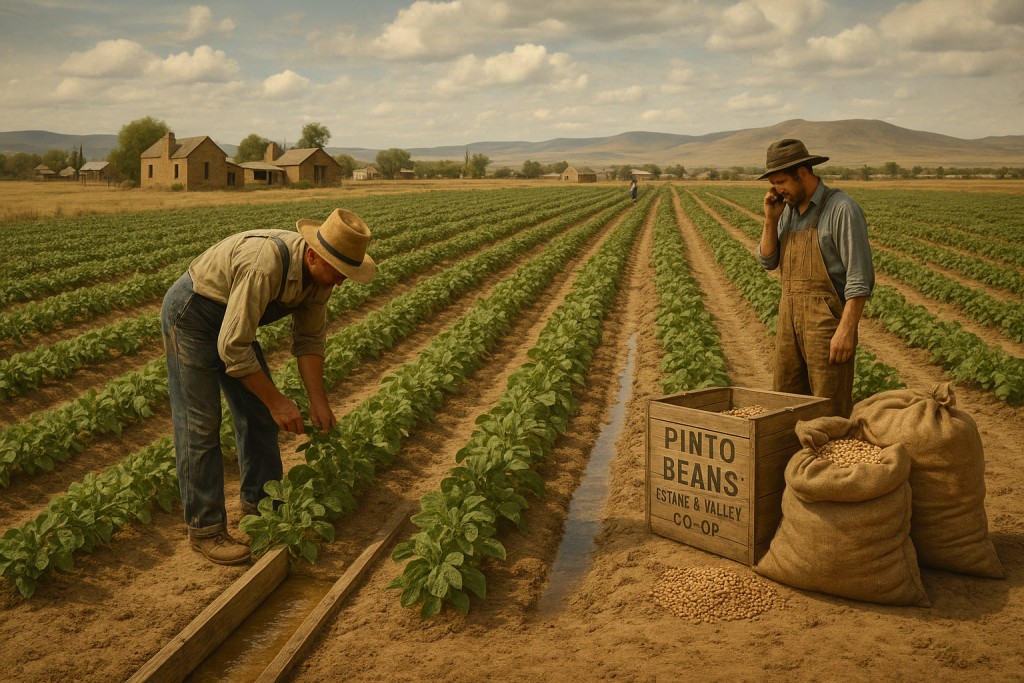
Moriarty’s story begins in the late 1800s when settlers first arrived in the Estancia Valley. With its sprawling landscapes and fertile soil, the region seemed ripe for agricultural possibilities. Early farmers experimented with various crops, but it wasn’t until they began cultivating pinto beans that they found a perfect match.
Why? Pinto beans thrived in the Valley’s semi-arid climate, which featured warm days, cool nights, and just enough rainfall to support the modest water needs of this hearty crop. These early growers tapped into traditional irrigation systems, combined with local farming know-how, to produce yields that would soon catch the attention of buyers far beyond the State.
Why Pinto Beans?
The Estancia Valley’s soil was a key ingredient in this agricultural success story. High in calcium carbonate, but with excellent drainage, the conditions were perfect for cultivating beans without waterlogging the crops. Farmers relied on simple yet effective irrigation methods to adapt to the desert terrain, giving pinto beans all the elements they needed to flourish.
Beyond adaptability, pinto beans offered resilience. These crops were not only drought-resistant but easy to harvest, store, and transport. With every harvest, farmers saw increasingly better yields, driving their enthusiasm further toward planting even more beans.
The Rise of Commercial Pinto Bean Production
By the early 20th century, Moriarty was no longer a place where bean farming existed just to feed local families. Farmers began producing pinto beans on a commercial level, introducing the crop to broader markets in neighboring areas.
The emergence of cooperatives played a critical role in propelling this growth. Farmers banded together to ensure consistent pricing and access to regional distribution channels, giving them greater negotiating power. Local markets also became bustling hubs where pinto beans were traded and sold, putting Moriarty on the map as New Mexico’s pinto bean capital.
The Economic Boom: How Pinto Beans Shaped Moriarty’s Growth

Pinto Beans and the Local Economy
During the early-to-mid 20th century, Moriarty saw an economic boom fueled solely by pinto bean farming. It wasn’t just large-scale farms driving this success; small family farms became one of the cornerstones of the town’s growing agricultural ecosystem. These families relied on the labor-intensive but highly profitable farming of pinto beans to support their livelihoods.
The ripples of this industry extended far beyond fields and barns. Local businesses that supplied farming equipment, seeds, and tools benefited from the industry’s growth. Additionally, grocery stores and restaurants celebrated pinto beans as a highlight ingredient in local cuisine, creating a strong feedback loop between production and consumption.
The Pinto Bean Trade and Market Expansion
Moriarty’s beans were in demand far beyond New Mexico’s borders. Infrastructure improvements in the form of railway connections and highway expansions made it even easier to distribute pinto beans to states across the Southwestern United States. With each passing season, Moriarty’s reputation as a hub for high-quality beans solidified.
Farmers began collaborating with food companies that packaged and sold beans under premium labels, creating additional revenue opportunities. These collaborations established Moriarty as not just a bean-growing town, but a major pillar of the regional agricultural trade.
Challenges and the Decline of Pinto Bean Farming
No industry is evergreen, and pinto bean farming in Moriarty was no exception. By the latter half of the 20th century, various challenges began to surface. Droughts in the Estancia Valley limited water availability for farming, making it harder for bean crops to thrive. Soil depletion also left certain fields incapable of producing high-yield harvests.
Additionally, competition from large-scale industrial farms put local farmers in a tough spot. These enterprises had greater access to resources such as advanced irrigation technologies and expanded labor forces. Many smaller farms in Moriarty either had to shift their focus to alternative crops or exit farming altogether.
More Than a Crop: The Cultural Impact of Pinto Bean Farming
The Pinto Bean Fiesta
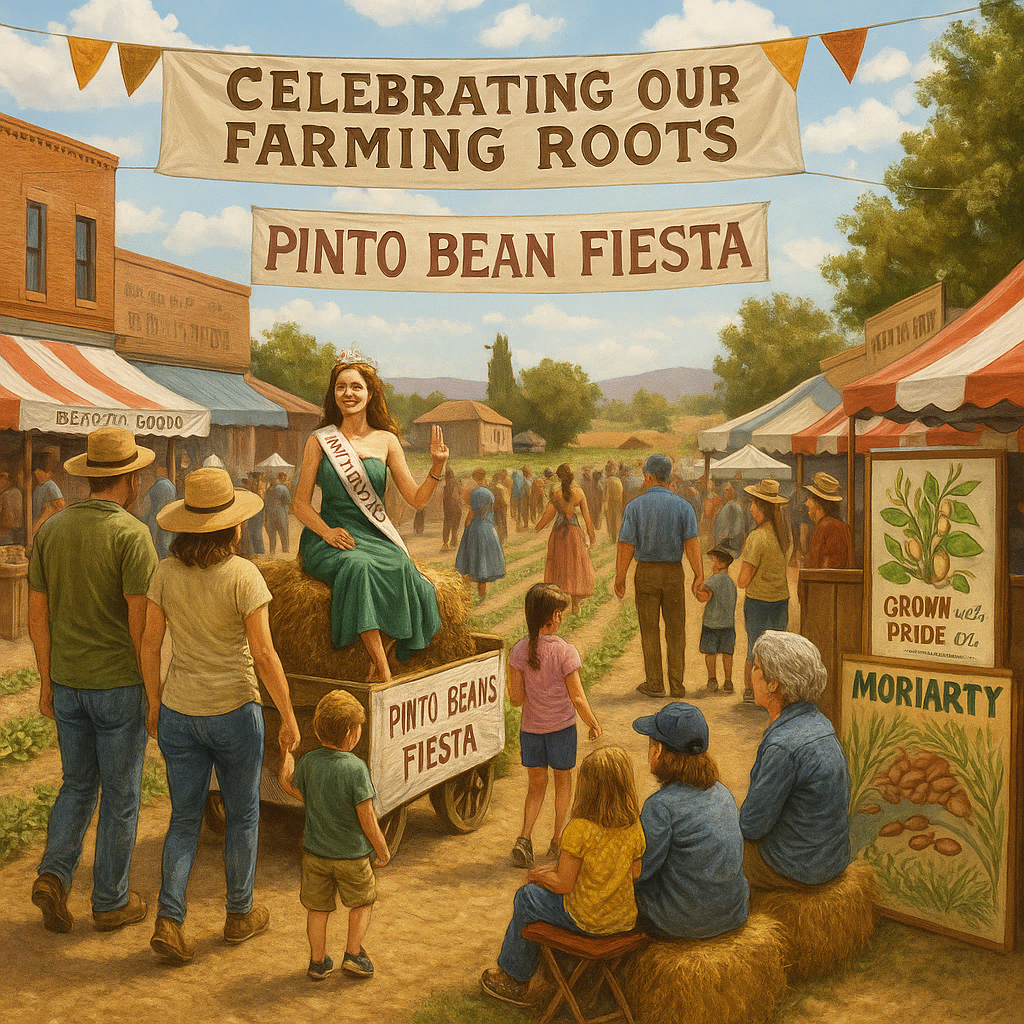
Farming wasn’t just a business; it was a community affair in Moriarty. This spirit is perhaps best captured by the town’s annual Pinto Bean Fiesta, a cherished celebration of its agricultural roots. Dating back decades, the Fiesta commemorates the significance of pinto bean farming in Moriarty’s history.
The event features parades, culinary contests showcasing bean-based recipes, and even the crowning of the Pinto Bean Queen. It serves as a reminder of the vibrancy this simple crop brought to the community and creates a sense of nostalgia among residents and visitors alike.
Community and Generational Farming
For many families in Moriarty, farm life has always been about more than economics. Generations grew up planting, harvesting, and celebrating pinto beans. These traditions created tight-knit networks grounded by shared labor, respect for the land, and pride in representing Moriarty’s agricultural heritage.
Stories of great-grandparents teaching their grandchildren the art of bean farming circulate among residents and keep the crop’s legacy alive, even in a rapidly modernizing world.
Preserving the Legacy: Pinto Beans in Moriarty Today
Local Farms Keeping the Tradition Alive
While large-scale bean farming has declined in Moriarty, several local farms, like the Schwebach Farm, continue to cultivate pinto beans using modern methods. These farmers combine traditional techniques with innovations like digital crop monitoring and sustainable practices to ensure the legacy of pinto beans endures.
These operations may not match the scale of past commercial enterprises, but their purpose remains just as meaningful. Visitors to the region can often find locally grown pinto beans at markets, proudly carrying the “Made in Moriarty” label.
Educational Efforts and Historical Preservation
Moriarty has embraced efforts to highlight the historical importance of pinto bean farming. Local museums, school programs, and historical initiatives like commemorative plaques offer a window into this part of the town’s identity. Students learn about the cultural impact that these beans had on their ancestors, fostering a connection between the past and future.
A Town Built on Beans: Reflecting on Moriarty’s Agricultural Heritage
Pinto bean farming wasn’t merely an economic activity in Moriarty; it was the heart of the town’s development, culture, and traditions for generations. While its commercial prominence has declined, its impact remains forever etched into the identity of this small but proud New Mexican town.
For those with a love of history or farming, visiting Moriarty’s Pinto Bean Fiesta or buying a local bag of beans is an easy way to support the preservation of this heritage. Whether you’re tasting a dish made from locally grown beans or hearing a story from a farmer whose family shaped the town’s history, you’re participating in keeping this agricultural legacy alive.