

Open vs Closed Roof Valleys: Which Performs Better?
When homeowners compare open vs closed roof valleys, they are really comparing two different ways of handling one of the hardest-working water-shedding areas on a shingle roof. A roof valley is where two roof slopes meet, and that channel has to move concentrated water runoff toward the gutter during heavy storms, snowmelt, and day-to-day weather exposure.
Both open valley and closed valleys can perform well when they are installed correctly, but they do not wear the same way. The better choice depends on drainage, durability, debris buildup, wind-driven rain, appearance, maintenance, and how your roof is built.
In New Mexico, roof slope, valley exposure, tree debris, monsoon weather, and installation quality all matter, so there is no one valley style that is always best for every home.
What Is a Roof Valley and Why Does It Wear Faster?
A roof valley is the channel where two sloped sections of a roof meet and direct water downward. Because it collects runoff from two roof slopes at once, a shingle roof valley often sees more water flow than the surrounding roof areas. It also tends to collect granules, dust, pine needles, and storm debris.
That is one reason roof valleys often wear faster than the rest of the roof. They handle concentrated heavy rainfall, snowmelt in colder areas, wind-driven rain, and sometimes foot traffic during roof work.
If a valley starts failing, it can lead to roof leaks, water stains, damaged roof deck sections, and recurring repairs even when the surrounding shingles still look acceptable.
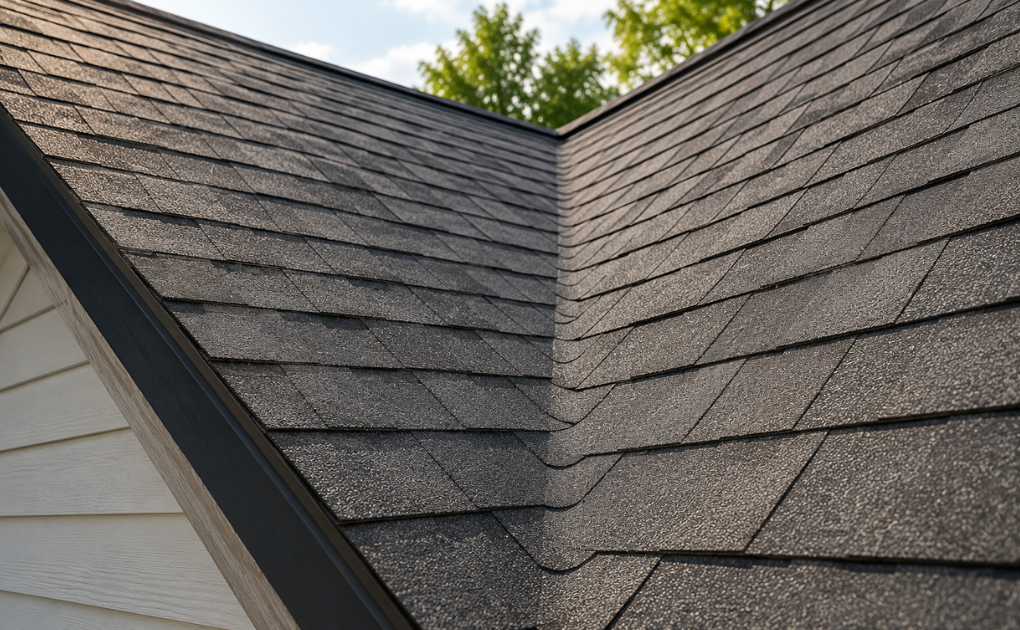
Open vs Closed Roof Valleys: Comparison by Features
|
Feature |
Open Valley |
Closed Valley |
What It Means for New Mexico Homes |
|
Water shedding |
Uses exposed metal valley or valley flashing to move water down the valley center |
Water travels over shingles in the valley instead of over exposed metal |
Open valleys can be helpful where runoff is concentrated or monsoon rain is intense |
|
Wear over time |
Exposed metal flashing takes the main water path |
Shingles in the valley carry the wear load |
Closed valleys may show granule wear sooner in high-flow areas |
|
Debris handling |
Exposed metal can make debris easier to spot and clear |
Debris may sit on shingle surfaces and hide wear |
Pine needles, dust, and leaves can be more noticeable in closed systems |
|
Wind and storm exposure |
Depends heavily on proper metal lining, underlayment, and edge detailing |
Depends heavily on shingle cuts, seal lines, and valley layout |
Either system can fail if not properly installed for local weather |
|
Appearance |
Visible metal channel |
Seamless shingle look |
Closed valleys may appeal to homeowners focused on curb appeal |
|
Leak diagnosis |
Easier to inspect exposed metal for dents, rust, or debris dams |
Damage may be harder to see because shingles cover the valley lining |
Open valleys can make inspections more straightforward after storms |
Water Shedding and Drainage Performance in Open Valley vs Closed Roof Valleys
An open roof valley uses exposed metal valley flashing to guide water down the valley. Water runs over metal instead of shingle courses in the valley center, which often helps open valleys handle concentrated water flow efficiently. On roofs with large upper sections draining into one valley, that can be a practical advantage.
A closed roof valley covers the valley with shingles, creating a cleaner look across the roof surface. Water still sheds properly when the system is built well, but it travels over shingles instead of over exposed metal.
Over time, that can increase wear in the direct runoff path, especially on residential roofs that see repeated monsoon storms or heavy drainage from steep roof planes.
The 2021 International Residential Code recognizes valley drainage as a system detail, not just a shingle detail. It allows several valley lining options, including corrosion-resistant metal for open valleys and approved lining materials beneath closed valleys. This reinforces the need for dedicated valley protection rather than relying on surface shingles alone.
Durability and Wear Over Time in Open Metal Roof Valleys vs Closed Valleys
With open metal roof valleys, the exposed metal valley handles the main water load. That can reduce direct wear on the shingles in the center of the valley.
However, durability still depends on the type of metal used, the quality of the valley installation, corrosion resistance, underlayment, fastening, and edge detailing. A sloppy installation can still lead to leaks, even if the valley style itself is a good fit.
With closed valleys, the shingles sit directly in the high-flow path. That can make granule wear, cracking, and edge lifting more visible over time, especially on older roofs exposed to strong UV and repeated storm runoff.
Closed valleys can still perform well, but they depend heavily on proper installation, good material selection, and manufacturer-approved layout details. This is where laminated shingles, valley cut placement, and underlayment quality matter.
A closed valley system that is installed correctly can last well, but concentrated runoff and sun exposure can make wear more noticeable sooner than on an open valley system where the metal carries the water path.
Debris Buildup, Dust, Pine Needles, and Maintenance in Roof Valleys
An open valley system can make debris buildup easier to spot because the metal channel is visible.
Depending on the roof slope and roof design, debris may also slide more easily off the exposed metal instead of catching on shingle edges. That can be helpful on homes in Cedar Crest, Sandia Park, and the East Mountains, where pine needles, leaves, and windblown debris often collect in valleys.
A closed valley may hold debris on top of the shingles more easily. Pine needles, leaves, and monsoon dust can sit on the valley surface.
Over time, that debris can hold moisture and hide wear longer. That does not mean closed valleys automatically fail, but it does mean regular inspections matter more when debris tends to gather in the valley path.
The National Weather Service in Albuquerque warns that monsoon season can bring heavy rain, downburst winds, and blowing dust. Those weather patterns can move debris into valleys quickly. That is one reason roof valleys deserve attention after major summer storms.
Wind-Driven Rain and Storm Exposure in Open Valley and Closed Cut Valleys
An open valley depends heavily on the quality of the metal flashing, underlayment, and valley edge detailing.
Exposed metal should not be loose, buckled, poorly lapped, or installed in a way that allows water to work underneath it. If the metal lining is compromised, wind-driven rain can take advantage of those weak points.
A closed cut valley or other closed valley applications depend more on shingle layout, seal lines, and how the valley directs water. Lifted shingles, poor cuts, or missing shingles near the valley can create leak paths, especially when strong wind pushes rain sideways.
If your home has been through a major wind event, it is worth reviewing our guide on wind damage roof signs and having the valley checked.
Appearance and Curb Appeal of Open Roof Valley vs Closed Roof Valley
An open roof valley shows a visible metal channel running down the valley line. When the metal color works with the shingles and trim, it can look crisp and intentional rather than unfinished. Some homeowners like that defined roof detail, especially on roofs where the valley is not highly visible from the street.
A closed roof valley creates a more seamless shingle appearance because the valley lining is hidden under the shingles. That can improve aesthetic appeal for homeowners who want the valley to blend in with the rest of the roof. On visible front-facing roof sections in Santa Fe, a closed valley may appeal to homeowners who prioritize a cleaner visual line.
Appearance matters, but it should not override drainage, roof slope, storm exposure, or manufacturer requirements. A valley that looks clean but is a poor fit for the roof’s water load is not a better long-term choice.
Repair Access and Leak Diagnosis With Open Metal Valley vs Closed Valley System
One advantage of an open metal valley is that the exposed metal makes it easier to inspect the area for rust, dents, buckling, debris dams, or worn valley edges. If a roof valley leak develops, the source may be easier to isolate because the valley lining is visible instead of hidden under shingles.
With a closed valley system, damage can be harder to diagnose because shingles cover the lining below. A roofer may need to inspect shingle cuts, underlayment, surrounding courses, and the valley path more closely to find where water infiltration is occurring.
In some cases, the visible shingles may look fine while the underlying valley lining is the real issue. That is why homeowners should not ignore stains on ceilings, recurring valley leaks, or damp areas in the attic. Flashing and valley problems can allow moisture into the home long before the full source is obvious from the ground.

Which Roof Valley Type Performs Better in New Mexico?
For many New Mexico homes, open vs closed roof valleys is less about one style being universally better and more about which valley type fits the roof’s water load, slope, debris exposure, and roofing material.
An open valley may perform better when a roof has heavy runoff from large roof planes, when the valley tends to collect debris, or when the homeowner wants easier inspection of the valley channel after storms.
Homes in Albuquerque with a steep upper roof draining into one valley, or East Mountains homes with pine needles and snowmelt in the valley, are good examples of situations where an open valley may be worth evaluating.
A closed roof valley may still be a good option when the roof slope, shingle type, manufacturer instructions, and installation quality support it. Closed valleys can also make sense when appearance is a bigger priority and the valley is not a heavy-debris or high-flow area.
The final decision should consider roof slope, shingle type, drainage volume, debris buildup, leak history, and local weather. Valley design is also part of a larger roofing system. The visible valley type matters, but so do underlayment, flashing, fastening, and water flow.
Schedule a Roof Valley Inspection Before Small Leaks Spread
Open and closed roof valleys shed water, handle debris, and wear differently over time. Open valleys often make drainage and inspection easier, while closed valleys create a cleaner shingle look but can hide wear longer.
In New Mexico, wind, hail, monsoon rain, dust, snow, and debris can put stress on either valley type if it is not in good condition.
If you are comparing valley options or trying to find the cause of a leaking valley, East Mountain Roofing can help. We provide roof repair, roof replacement, and free roof estimates for homeowners in Albuquerque, Rio Rancho, Santa Fe, Edgewood, Cedar Crest, Sandia Park, and the East Mountains.
Call (505) 264-7081 or fill out our contact form to schedule a roof inspection and have a roofer evaluate valley wear, drainage, or flashing condition.