
Should You Replace Skylights When Replacing Your Roof?
Your roof replacement is the best time to evaluate every existing skylight. Deciding whether to replace skylights with roof replacement depends on the skylight’s age, condition, energy efficiency, flashing compatibility, and leak history.
A newer skylight in good shape may only need new flashing before the new roof goes on. An older, leaking, or damaged skylight unit may be a better candidate for skylight replacement. If you no longer want the extra natural light, removing the skylight during the same roof project may also make sense.
The biggest advantage of making this decision during replacement is that the shingles, underlayment, and flashing around the skylight are already being removed.
Addressing the skylight at the same time can reduce duplicate roof work, improve access, and help you avoid more costly repairs and added cost later.

Evaluate the Skylight Before Your Roof Replacement Begins
There is no rule that says every homeowner should automatically replace or keep an existing skylight during a roof replacement. The right decision depends on the condition of the skylight and whether it is compatible with the new roof system.
You may be able to keep your existing skylight if it is relatively new, the frame and glass are in good condition, there are no recurring leaks or moisture problems, and the manufacturer offers proper flashing designed for your roofing material. In many cases, compatible flashing allows the skylight to be properly flashed with the new roofing system.
On the other hand, replacing skylights often makes more sense when the installation date is unknown, the frame shows wear, the glazing is cracked or fogged, seal failure has occurred, or compatible flashing is no longer available.
Before your roofing company begins work, inspect the skylight and compare the cost of reflashing an aging unit with the cost of making a replacement during the same project.
In many situations, completing both jobs in one visit can save money and reduce the chance of future roof work.
When You May Be Able to Keep the Existing Skylight During Roof Replacement
Not every skylight replacement is necessary. If your existing skylight is in good condition, keeping it and reflashing it during your roof replacement may be the most cost-effective option.
This approach works best when the skylight has a known installation history, the glass, glazing seal, frame, and operating parts remain in good condition, there are no recurring leaks or interior moisture issues, and the manufacturer offers proper flashing for your roofing material and roof slope.
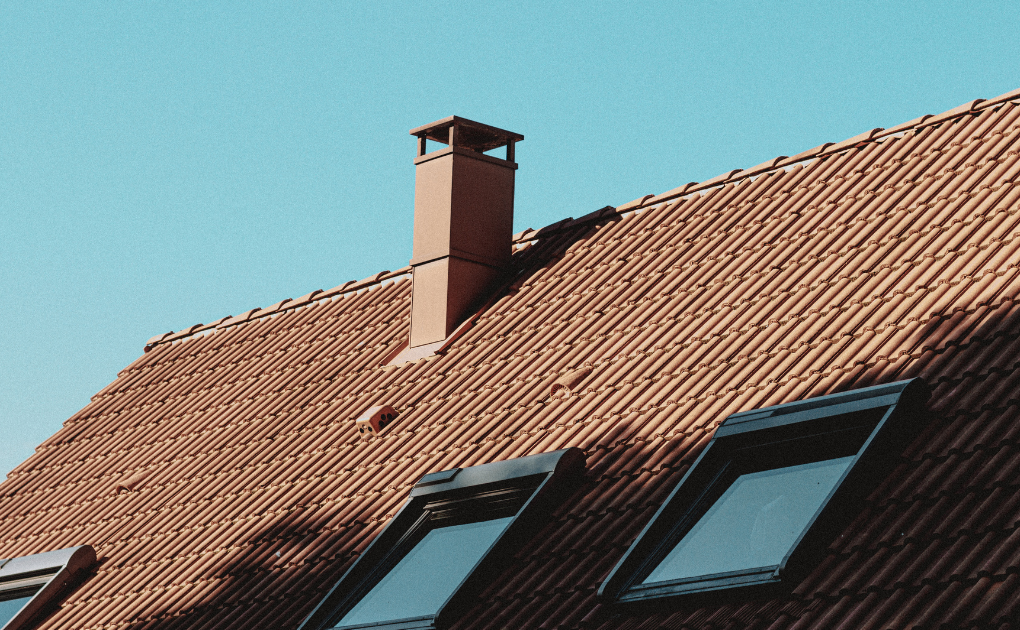
Skylight flashing is a system of metal components that directs water away from the skylight and onto the surrounding roof. During reroofing, contractors remove the roofing around the skylight, inspect the curb or frame, install new underlayment, and integrate compatible head, side, and sill flashing with the new roof system.
A curb-mounted skylight sits on a raised frame above the roof deck, while a deck-mounted skylight attaches directly to the roof deck. Because each uses a different flashing system, proper installation requires manufacturer-approved materials designed for that skylight and roof type.
Modern flashing systems shed water through overlapping layers instead of relying mainly on caulk or sealants, which can dry out over time. This layered design performs more reliably in areas exposed to wind-driven rain and snow.
However, flashing cannot fix every problem. It will not repair a cracked frame, failed glazing seal, damaged glass, or worn operating hardware. Reflashing an older skylight may leave you needing skylight replacement long before your new roof reaches the end of its service life.
For example, a newer fixed skylight in an Albuquerque home with no history of leaks and an available manufacturer flashing kit may be a good candidate for reflashing instead of replacement.
Should You Replace Skylights With Your Roof? Here Are the Signs
Sometimes, keeping an older skylight creates more risk than value. If the unit already shows signs of wear or poor performance, replacing skylights during a full roof replacement may help protect your investment and reduce future labor costs.
Before deciding, compare the condition of the skylight instead of focusing on age alone.
| Skylight Condition | Keep and Reflash May Work | Replacement May Be the Better Option |
| Age | Newer skylights with known installation records | Older unit or installation date unknown |
| Leak History | No recurring leaks | Repeated leaks or previous repairs |
| Glass | Clear and intact | Fogged, cracked, cloudy, or failed glazing |
| Frame | Square and undamaged | Warped, corroded, cracked, or deteriorated |
| Flashing | Compatible flashing kit available | No approved flashing available |
| Energy Efficiency | Comfortable with acceptable performance | Excessive heat, drafts, or noticeable heat loss |
| Future Plans | Skylight still fits the room | Different size, ventilation, or features desired |
The Skylight Is Older or Near the End of Its Practical Service Life
Age alone is not a reason to replace a skylight. Some newer skylights continue performing well for many years, especially when they have been properly maintained. However, an older skylight may show seal deterioration, worn gaskets, aging glazing seals, and operating hardware that no longer performs as intended.
Reusing an older skylight during a roof replacement can create a mismatch between your new roof system and an aging roof penetration that may need attention sooner.
For example, a decades-old bubble skylight on an Albuquerque home may not be the best candidate to keep beneath a new roof. Evaluating both the roof and skylight together helps you make a more informed decision before work begins.
The Skylight Has a History of Leaks or Repeated Repairs
Recurring leaks are a clear sign that your skylight deserves a closer inspection before your roof project begins. If leaks begin returning after previous flashing or sealant repairs, or you repeatedly notice stains on the ceiling after rain or snow, skylight replacement may be the better long-term solution.
However, moisture around a skylight does not always mean the unit is leaking. Water can enter through damaged flashing, but it can also form as condensation when warm indoor air meets a cold skylight surface. Identifying the source is an important part of the decision-making process before you decide whether to reflash or replace the unit.
For example, a skylight that leaks only during wind-driven rain may have a flashing problem. Moisture that appears during cold mornings may point to interior condensation instead.
Learn how to identify the difference by reading our guide on skylight leak versus condensation signs.
The Glass, Dome, Frame, or Seals Are Damaged
Some skylight problems cannot be solved with new flashing. If the glass or acrylic dome is cracked, the frame is warped or corroded, the glazing is permanently fogged, or the operating hardware no longer works, the problem is within the skylight itself.
A glazing seal holds insulated glass panes together while keeping moisture and insulating gas out. When seal failure occurs, condensation or cloudiness can develop between the panes, reducing visibility and energy efficiency. Flashing only protects the outside of the skylight. It cannot repair a failed glazing seal or damaged frame.
Hail-damaged glazing or visible frame distortion should be evaluated before new shingles are installed. In many cases, replacing the skylight during the same roof replacement is the more practical and cost-effective choice.
The Existing Skylight Is Inefficient for New Mexico Sun Exposure
Not every skylight performs the same. If your existing skylight contributes to excessive heat in the summer, noticeable heat loss in the winter, drafts, glare, or faded flooring and furniture, replacing skylights during your roof replacement may improve your home’s comfort and energy performance.
When comparing replacement options, look beyond appearance. The U.S. Department of Energy recommends comparing U-factor and SHGC instead of assuming every new skylight performs the same.
The U-factor measures how well a skylight prevents heat from escaping, and the solar heat gain coefficient (SHGC) measures how much of the sun’s heat passes through the glass. Lower or higher values may be better depending on your climate, skylight orientation, and the amount of sunlight you want inside your home.
For example, a south-facing or west-facing skylight may allow more afternoon heat and glare than a north-facing skylight. Choosing a more energy-efficient unit with the right glazing and shade options can make all the difference in year-round comfort.
Compatible Flashing Is Unavailable for the New Roof System
A skylight should only be reused when an approved flashing system is available for the new roof system. Some older units no longer have an identifiable manufacturer, while others do not have compatible flashing kits for today’s roofing materials or roof slopes.
This is especially important if your roof project involves changing roofing materials. For example, switching from asphalt shingles to metal roofing may require a different flashing system instead of simply reinstalling the old one.
A field-made repair that depends heavily on sealant may not protect the surrounding roof as effectively as a manufacturer-approved flashing system.
Before deciding to keep an existing skylight, ask your roofing company whether compatible flashing is available for your roofing material.
When Removing the Skylight Is the Better Option
Sometimes, removing the skylight is a better option than keeping or replacing it. This may make sense if you no longer want the extra natural light, the skylight has a history of leaking, or you’re remodeling the room. Excessive heat, glare, or changes to the room’s layout may also make the opening less useful than it once was.
Proper removal involves more than covering the opening with new shingles. Contractors remove the skylight and curb, if present, repair the framing and roof deck, restore insulation, finish the interior ceiling, and install underlayment and roofing so the new roof system remains continuous.
This helps protect the roof’s structural integrity and prevent future moisture problems.
For example, a west-facing skylight that creates strong afternoon heat and glare may no longer fit your needs. Removing it during the same roof replacement is often more practical than reopening the roof later.
Decide Whether to Replace Skylights Before Your Roof Replacement Begins
The best time to replace skylights with roof replacement is before your roofing contractor installs underlayment, flashing, and new shingles. Making the decision early gives your contractor time to inspect the existing skylight, confirm flashing compatibility, and recommend the most practical solution before work begins.
Addressing your roof and skylight as one project can help reduce future disruptions, avoid duplicate labor, and protect your investment for the long run.
If you’re planning a roof replacement, schedule a professional evaluation before approving the project. East Mountain Roofing provides roof inspections, repairs, replacements, and free estimates to help you make an informed decision for your home.
Call (505) 264-7081 today or request a roof replacement estimate.