

Roof Inspection Frequency in New Mexico: How Often Should You Get Your Roof Checked?
In New Mexico, your roof deals with more than everyday wear. High winds, hail, intense UV exposure, monsoon rain, and sudden temperature swings can all shorten a roof’s life if small problems go unnoticed.
That is why understanding proper roof inspection frequency New Mexico homeowners should follow is important for protecting your house and avoiding costly repairs.
As a general rule, most homeowners should schedule a professional roof inspection at least once a year. You should also have your roof inspected after major storms, hail, or high winds, and before winter weather if you have older roofs, previous storm damage, or visible signs of wear.
The right inspection frequency depends on several factors, including your roofing materials, roof age, exposure to severe weather, and prior repairs.
The Short Answer: A Smart Roof Inspection Schedule for New Mexico Homes
For most homes in New Mexico, the best schedule includes:
- One annual roof inspection as a baseline
- A post-storm roof inspection after hail, wind, or debris impacts
- A pre-winter roof inspection if your roof is older or has known roof problems
Some homeowners benefit from more frequent inspections. Homes in Edgewood, Cedar Crest, Sandia Park, and other East Mountain communities often experience stronger wind exposure and wind-driven rain.
In these areas, inspecting your roof twice a year during spring and fall can help catch damage caused by seasonal weather before leaks develop.
There is also a difference between homeowner checks and a professional roof inspection. Homeowners can inspect from the ground using a keen eye after spring storms or hail events. Look for missing shingles, debris in gutters, water stains inside the interior, or visible dents around vents and flashing.
However, roofing contractors are trained to identify subtle damage, flashing separation, granule wear, attic moisture, and potential problems that may not be visible from the ground. A trusted local roofer can also document damage for insurance purposes when needed.
Annual Roof Inspections: The Baseline for Most New Mexico Homes
An annual roof inspection is the practical minimum for most homeowners in Albuquerque, Rio Rancho, Santa Fe, and surrounding communities. Regular inspections help identify small problems before they lead to leaks, insulation damage, mold, or more expensive roof replacement needs.
A professional roofing company should inspect:
- Missing shingles or lifted shingles
- Cracks in flashing or sealants
- Metal roof fasteners and trim movement
- TPO seam wear or ponding water
- Gutters and drainage systems
- Attic ventilation and moisture signs
Spring is a popular time to inspect your roof because it allows homeowners to prepare for monsoon season and summer heat. Fall inspections are also valuable because they help uncover damage caused during hail season and high winds before colder temperatures arrive.
For Albuquerque homeowners, annual inspections are especially important because UV exposure can accelerate wear on shingles and other roofing materials. Even a new roof benefits from regular inspections to maintain durability and long-lasting protection.
The National Roofing Contractors Association also recommends preventative roof maintenance to help extend roof lifespan and reduce the risk of costly repairs.
Post-Storm Roof Inspections: When You Should Not Wait
After major storms, it is important to schedule a roof inspection quickly. Damage caused by hail or wind is not always obvious from the street, and waiting too long can allow hidden leaks to spread.
You should have your roof inspected after:
- Hail strikes your neighborhood
- High winds remove shingles or ridge caps
- Tree limbs or debris hit the roof
- Wind-driven rain creates interior water stains
- Gutters, vents, or flashing show fresh dents
- Patio furniture or outdoor materials are blown across the property
In Rio Rancho, open-lot wind exposure can loosen shingles or lift flashing on windward roof slopes. In Albuquerque, hail can create granule loss that eventually shortens roof lifespan even when the roof initially looks covered and intact.
A professional inspection can identify:
- Lifted shingles
- Hidden leaks
- Soft-metal hail damage
- Punctures in flat roofing materials
- Cracks around roof penetrations
- Drainage issues around gutters and valleys
If storm damage is visible, take photos from the ground and note the approximate storm date. Documentation can help during the insurance process later.
For additional storm prep guidance, review our 8-step post-windstorm roof inspection guide.
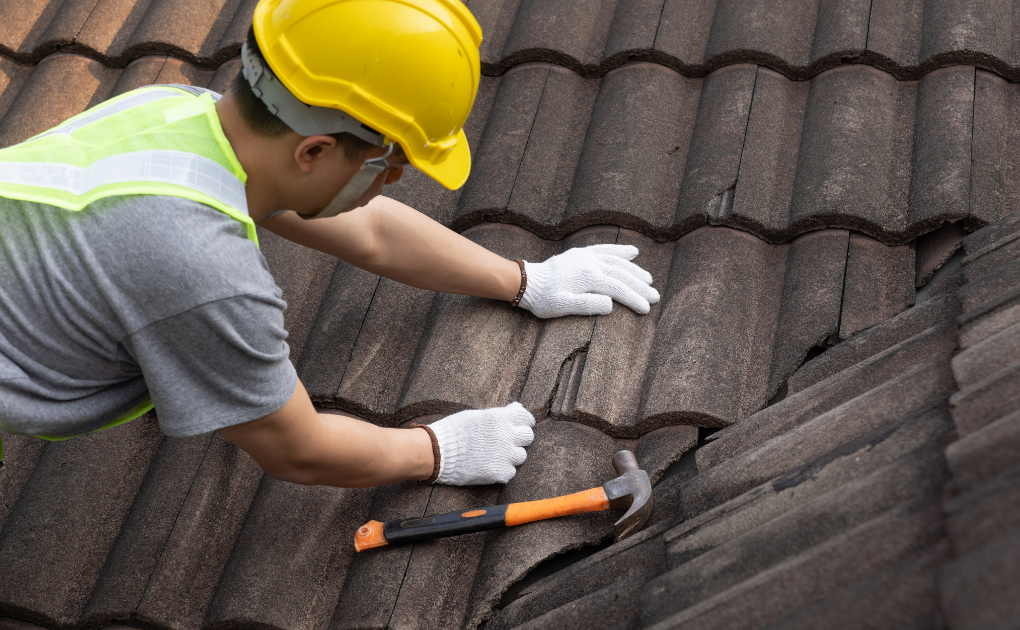
Before Winter: Why a Fall Roof Inspection Matters in New Mexico
Although New Mexico winters are milder than some northern states, winter weather still affects roofs throughout Santa Fe, Edgewood, and the East Mountains. Cold nights and temperature swings can worsen existing leaks, cracks, and flashing gaps.
A fall roof inspection helps identify problems before colder weather arrives. Roofing contractors commonly inspect for:
- Cracked sealants
- Loose flashing
- Debris buildup in gutters
- Small leaks around vents or chimneys
- Ponding water on low-slope roofs
- Damaged shingles after monsoon season
Homes in Santa Fe and higher-elevation communities often experience stronger freeze-thaw cycles than lower-elevation areas near Albuquerque. Water can enter small openings during the day and expand at night as temperatures drop, increasing wear on roofing materials.
Seasonal inspections during fall can also help homeowners save money by catching roof problems early before replacing larger roof sections becomes necessary.
The National Weather Service Albuquerque office also encourages homeowners to prepare structures for monsoon and seasonal weather conditions throughout New Mexico.
Roof Age and Roofing Materials: When More Frequent Inspections Make Sense
Not every roof follows the same inspection schedule. Roof age, roofing materials, previous repairs, and exposure to severe weather all influence how often you should inspect your roof.
For newer roofs in good condition, annual inspections plus post-storm inspections are often enough unless installation concerns exist.
Older roofs usually require more frequent inspections, especially if shingles are brittle, granule loss is visible, or leaks have occurred before. Many homeowners with aging roofs choose twice a year inspections during spring and fall.
Different roofing materials also require different inspection priorities:
Shingle Roofs
Inspect for:
- Missing shingles
- Curling or cracks
- Granule wear
- Lifted tabs after high winds
Metal Roofs
Inspect for:
- Fastener movement
- Loose trim
- Seam separation
- Hail dents that affect function
Metal roofs are durable, but severe weather can still loosen components over time.
TPO and Flat Roof Systems
Inspect for:
- Ponding water
- Membrane wear
- Drain blockage
- Flashing separation around rooftop equipment
Commercial buildings and businesses with flat roof systems should pay close attention after monsoon rain because blocked drainage can lead to leaks quickly.
What a Professional Roof Inspection Should Include in New Mexico
A quality roof inspection should go beyond a quick visual check. A roofing contractor should evaluate the entire roofing system and explain any potential problems clearly.
A professional roof inspection typically includes:
- Roof surface condition by material type
- Flashing, valleys, ridges, and roof penetrations
- Gutters, drainage, and scuppers
- Signs of interior moisture or attic leaks
- Photo documentation
- Repair recommendations or roof replacement guidance when needed
Roof penetrations include areas where vents, skylights, or pipes pass through the roof. These areas are crucial because sealant wear commonly develops there first.
If storm damage is suspected, contractors should document visible damage and explain the inspection process clearly. At East Mountain Roofing, we can help homeowners navigate insurance-related questions after hail or wind damage, though claim approval depends on your policy and carrier.
Roof Inspection Frequency in New Mexico: Schedule a Professional Inspection Before Small Issues Spread
The best roof inspection frequency New Mexico homeowners can follow is simple: annual inspections as a baseline, post-storm inspections after hail or high winds, and pre-winter inspections for older roofs or homes with previous damage.
Regular inspections help catch small problems before they lead to leaks, expensive damage, or premature roof replacement. Whether your roof is shingle, metal, or TPO, consistent maintenance helps protect your house and extend your roof’s life.
East Mountain Roofing provides free roof inspections, free estimates, storm damage repair, and help throughout the insurance process after severe weather.
If you want to schedule a professional roof inspection for your home in Albuquerque, Rio Rancho, Santa Fe, Edgewood, Cedar Crest, Sandia Park, or nearby communities, call East Mountain Roofing at (505) 264-7081 or get a free estimate online through our contact page.
Frequently Asked Questions About Roof Inspection Frequency in New Mexico
How often should I have my roof inspected in New Mexico?
As a general rule, most homeowners should schedule a professional roof inspection at least once a year. On top of that baseline, you should have your roof inspected after any major storm involving hail, high winds, or debris impacts, and before winter if your roof is older or has known issues. Homes in higher-wind areas like Edgewood, Cedar Crest, Sandia Park, and the East Mountains often benefit from twice-a-year inspections in spring and fall to catch seasonal damage before leaks develop.
What's the difference between a homeowner check and a professional roof inspection?
A homeowner check is a ground-level visual look using a keen eye, watching for missing shingles, debris in gutters, interior water stains, or visible dents around vents and flashing. It’s a useful first line of defense, especially after storms. A professional inspection goes much deeper. Roofing contractors are trained to spot subtle damage like flashing separation, granule wear, attic moisture, and problems that simply aren’t visible from the ground. A professional can also document damage properly for insurance purposes when that becomes necessary.
Does my roof type change how often I should inspect it?
Yes. Roof age, materials, and prior repairs all affect the right schedule. Newer roofs in good condition are often fine with annual plus post-storm inspections, while older roofs usually need more frequent attention, especially if shingles are brittle or leaks have happened before. Shingle roofs should be checked for curling, cracks, and granule wear; metal roofs for fastener movement, loose trim, and seam separation; and TPO or flat roofs for ponding water, membrane wear, and blocked drains. Flat roofs in particular need close attention after monsoon rain, since blocked drainage can cause leaks quickly.