

Roof Inspection vs Roof Estimate: What’s the Difference?
When your roof has been through wind, hail, or heavy monsoon rain, it can be hard to know what type of service to request.
Understanding roof inspection vs roof estimate is important because each serves a different purpose. A roof inspection helps determine your roof’s current condition, while a roof estimate provides pricing for a specific repair or roof replacement once the needed work is known.
This guide explains the key differences between a roof inspection and a roof estimate, so you know what to ask for after hail, leaks, wind damage, or heavy rain.
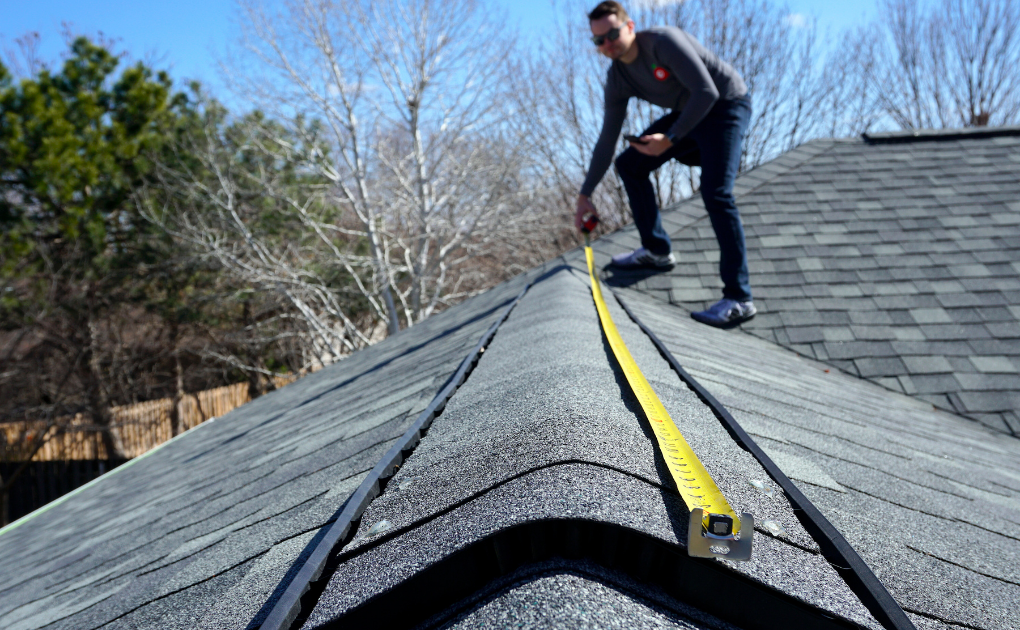
Why Homeowners Confuse Roof Inspections and Roof Estimates
Many homeowners use the terms interchangeably because both involve a roofing contractor visiting the property. During either visit, you may see photos taken, roof measurements, or a discussion about your roof’s condition. However, the purpose of each service is different.
A roof inspection focuses on identifying the condition of the roof, signs of storm damage, leaks, structural damage, ventilation issues, or other concerns that may affect its structural integrity. A roof estimate uses that information to create a cost estimate for a specific roofing job, whether that’s roof repairs, maintenance, or replacing an old roof.
For example, a small ceiling stain after a monsoon storm in Albuquerque does not automatically mean you need a new roof. Before requesting an estimate, it’s important to identify what’s causing the leak. Read our guide to roof leak causes and repair tips to understand what could be behind the problem.
Roof Inspection vs Roof Estimate: Key Differences Homeowners Should Know
|
Difference |
Roof Inspection |
Roof Estimate |
What Homeowners Should Ask For |
|
Purpose |
Determines the roof’s current condition |
Prices specific roofing work |
Ask whether you need diagnosis or pricing first |
|
Timing |
Before the problem is fully understood |
After the repair scope is known |
Start with the service that answers your biggest question |
|
Deliverable |
Inspection findings, photos, recommendations |
Written proposal with pricing |
Ask what information will be included |
|
Level of Detail |
Looks at the entire roofing system |
Focuses on the proposed work |
Confirm what the visit covers |
|
Use Case |
Maintenance, storm damage, leaks |
Budgeting and scheduling repairs |
Request the service that matches your needs |
|
Insurance Context |
Documents visible roof condition |
Provides pricing after the scope is identified |
Remember that coverage decisions belong to the insurance company |
1. Purpose: Diagnose the Roof vs. Price the Work
A professional roof inspection is designed to determine the overall condition of your roof. A roof inspector looks for storm damage, leaks, soft spots, damaged roofing materials, water intrusion, and other issues that could shorten the roof’s lifespan. The inspection helps answer whether repairs, monitoring, or replacement should be considered.
A roof estimate answers a different question. Once the problem has been identified, the roofing company prepares a clear estimate that outlines the expected work, materials, labor, and the estimated cost.
If hail moved through your Albuquerque neighborhood but you are unsure whether the roof was damaged, start with an inspection. If missing shingles have already been confirmed after Rio Rancho wind, requesting an estimate may be the next step.
2. Timing: Before You Know the Problem vs. After the Scope Is Clear
A roof inspection is usually the better choice when you are not sure what caused the problem. New leaks, lifted shingles, dents, missing granules, or signs of storm damage often require a physical inspection before anyone can provide an accurate quote.
A roof estimate is more helpful after the damage has already been identified. At that point, the contractor can prepare pricing for the recommended roofing work and explain the final price based on your roof size, roofing materials, and other factors.
In New Mexico, preparing before storm season can save time later. The National Weather Service notes that monsoon activity generally increases during July, with storm development beginning in May and June.
An inspection before the season can help identify older flashing, worn shingles, or other concerns before heavy rain arrives.
3. Deliverable: Condition Findings vs. Project Proposal
The deliverables are another major difference.
A roof inspection may include photos, damage notes, leak findings, maintenance recommendations, and an explanation of your roof’s current condition. Some roofing companies also use specialized equipment, including drone inspection technology, to document areas that are difficult to see from the ground.
A roof estimate focuses on the proposed project. It typically includes the work being recommended, the materials, labor, project timeline, warranty information, and pricing.
A report that simply recommends replacing the roof without explaining why may not provide the detailed information you need. Likewise, an initial estimate without a proper diagnosis may not fully explain what caused the problem.
4. Level of Detail: Whole Roof Condition vs. Specific Work Scope
A professional inspection evaluates more than the most visible problem. Depending on the situation, the roofer may inspect shingles, flashing, valleys, roof penetrations, gutters, drainage, and signs of heat loss or water damage that could point to hidden issues.
A roof estimate is much narrower. It focuses on the work being proposed rather than documenting every concern across the roof.
For example, a leak near a vent pipe may require checking the flashing, nearby shingles, attic moisture, and the roof above the stain before deciding on the best repair.
5. Use Case: Maintenance and Storm Check vs. Budgeting and Scheduling
Request a roof inspection when you want to understand your roof’s condition, schedule seasonal maintenance, or check for damage after wind or hail. It is also helpful if you are unsure whether a leak is related to the roof or another part of the house.
Request a roof estimate when you already know what needs to be repaired or replaced. If you are comparing contractor proposals, planning a new roof, or budgeting for roof repairs, an estimate gives you the pricing information needed to make informed decisions.
Some roofing companies advertise free roof inspections, while others provide free estimates after the inspection has been completed. Ask what is included so you know what to expect before scheduling the visit.

6. Insurance Context: Damage Documentation vs. Repair Pricing
After a storm, a roof inspection helps document visible damage and the roof’s current condition. The inspection can provide photos and findings that help you better understand the condition of your roof before speaking with your insurance company.
A roof estimate comes later in the process. Once the damage has been identified, the contractor prepares pricing for the recommended repairs or roof replacement.
It is important to remember that neither a certified roof inspector nor a roofing contractor decides whether a claim will be approved. Coverage depends on your policy, the insurance company, and the adjuster’s findings. Learn more about roof insurance claims after a storm.
What to Ask Before You Schedule Either One
Before scheduling a visit, ask yourself a few simple questions:
- Do you know what the roof problem is?
- Do you need a diagnosis or repair pricing?
- Did a recent storm pass through your area?
- Is there an active leak?
- Do you need photos or damage documentation?
- Are you comparing repair or replacement options?
You should also ask the roofing contractor what the visit includes:
- Will you identify my roof’s condition, provide repair pricing, or both?
- Will photos be included?
- Will you explain whether repairs, monitoring, or replacement make the most sense?
Because storm damage can be difficult to spot from the ground, avoid making repair decisions based only on what you can see. After hail, ask for a roofing inspection in New Mexico that includes shingles, flashing, gutters, vents, soft metals, and other areas where damage commonly appears.
Schedule the Right Storm Damage Visit Before the Next Storm
Understanding roof inspection vs roof estimate comes down to knowing whether you need a diagnosis, pricing, or both. If you want to understand your roof’s condition after hail, wind, leaks, or monsoon rain, request an inspection first. If the repair or replacement scope is already clear, an estimate can help you compare options and plan your budget.
Before New Mexico storm season creates urgency, having the right information can help you make confident decisions instead of rushed ones. If you suspect storm damage or want to better understand your roof’s condition, schedule a visit with East Mountain Roofing.
Call (505) 264-7081 or request a storm damage roof inspection or estimate. Our experienced team will evaluate your roof, explain your options, and provide honest recommendations based on its condition.