

Roof Overlay vs Tear-Off: Which Reroof Option Makes Sense?
An overlay may reduce labor, disposal, and disruption. A tear-off gives your contractor better access to hidden decking, underlayment, flashing, and moisture problems.
Both are legitimate reroof options under the right conditions. The better choice depends on your existing roof layer, leak history, structural condition, local code, and the roofing manufacturer’s instructions.
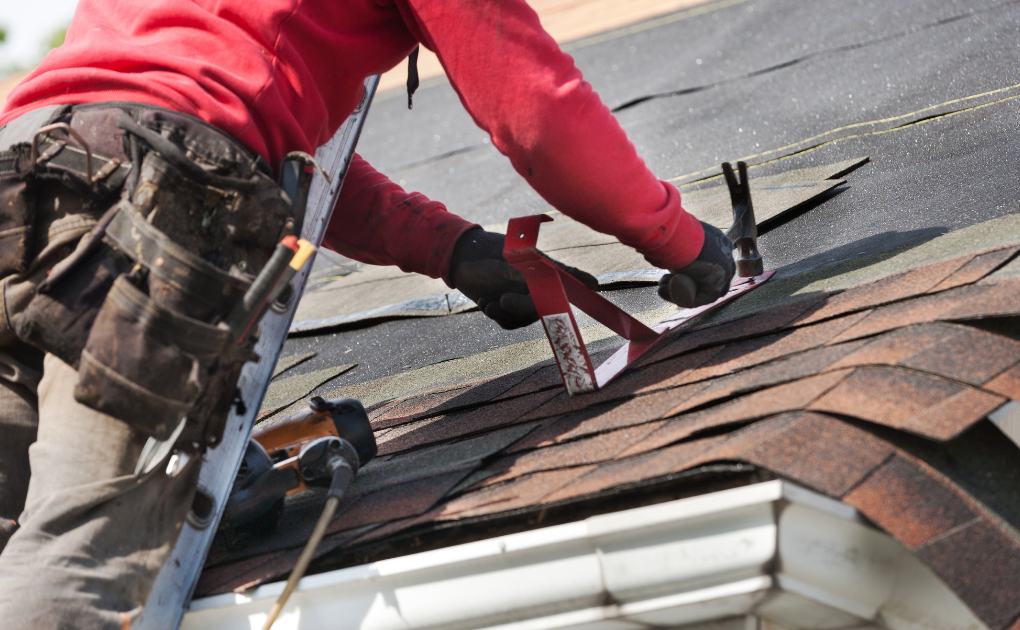
Roof Overlay vs Tear-Off: Key Differences
The table below highlights the practical differences between installing new shingles over old shingles and completing a full roof tear-off.
| Feature | Roof Overlay | Full Tear-Off |
| Upfront cost | Usually lower | Usually higher |
| Roof deck access | Limited | Full access |
| Project time | Often shorter | Usually longer |
| Added weight | Adds another layer of shingles | Removes old roofing materials |
| Surface quality | Depends on the existing roof | New roof system starts at the roof deck |
| Future reroofing | Existing layers remain | Clean starting point for future roof replacement |
Upfront Cost and Project Disruption
A roof overlay usually has a lower upfront cost because it avoids much of the labor involved in removing old roofing materials.
Since there is less tear-off work, the project may finish sooner, create less disruption around your home, and reduce the amount of material sent for disposal. If your existing roof has only one layer, is structurally sound, and meets local requirements, an overlay may be worth considering.
A full tear-off has a higher upfront cost because it includes the complete removal of the current roof, hauling debris, and cleanup. Once the old roofing materials are removed, your roofing contractor may also find damaged sheathing, damaged decking, or other underlying issues that could not be seen before. While this can increase the final cost, it also helps prevent hidden problems from being covered by a new roof system.
The lowest estimate is not always the best value. Before deciding between roof overlay vs tear off, ask whether the proposal includes deck repairs, flashing replacement, ventilation improvements, disposal costs, and other work that could affect the final price.
According to the Asphalt Roofing Manufacturers Association (ARMA), a roof recovery may be appropriate in some situations, but local building codes, manufacturer instructions, and the condition of the existing roof determine whether an overlay roof is allowed.
Visibility Into the Roof Deck and Hidden Moisture
One of the biggest differences in roof overlay vs tear off is how much of the roof deck your contractor can inspect.
A roof overlay leaves the existing shingles and much of the underlying roof system in place, making it harder to evaluate the underlayment, flashing, fasteners, and decking. If there is an active leak or trapped moisture, those problems may remain hidden beneath the new layer.
A full roof replacement with a complete tear-off exposes the entire roof deck before the new shingles are installed.
This allows your contractor to identify soft spots, damaged decking, stained wood, and other signs of water intrusion. It also provides access to replace underlayment and rebuild critical roof details correctly, reducing uncertainty about what is underneath your new roof.
This can be especially important in the East Mountains, where winter snow, wind-driven rain, and repeated leaks may damage the roof deck over time.
If your roof has leaked before, learn more about roof leak causes, signs, and repair options before deciding which reroof option makes the most sense.
Code Limits and Number of Existing Roof Layers
A roof overlay is not simply a homeowner’s preference. Whether you can install new shingles over an existing roof depends on local building codes, manufacturer installation instructions, the roof condition, and whether the structure can safely support another layer of shingles.
Your roofing contractor should confirm these requirements before recommending any reroof option.
In many cases, roofs with two layers or more than two layers of roofing materials are not eligible for another overlay.
Under the 2021 International Residential Code (IRC), a roof recover is generally not permitted if a roof already has two or more existing layers of roof covering. However, local jurisdictions may adopt different code editions or amendments, so the applicable requirements should always be verified before proceeding with a roof replacement or recover.
This is especially important for older homes in Albuquerque or Santa Fe, where the reroof history may be unknown. A complete inspection can confirm how many layers are already on the roof before deciding whether a roof overlay or full roof replacement is the better option.
Learn more about what to expect during a New Mexico roof inspection before starting your reroofing project.
Surface Flatness and New Shingle Appearance
The appearance of your new roof depends on the condition of the surface underneath it. With a roof overlay, the new shingles follow the shape of the existing shingles. Curled edges, raised flashing, uneven patches, or other warning signs on the old roof can show through the finished surface and affect your home’s curb appeal.
A full tear-off creates a clean starting point by removing the old roofing materials down to the roof deck. This gives your roofing contractor the opportunity to correct uneven areas before installing the underlayment, flashing, and new shingles.
If you’re unsure whether your current roof is still a suitable base, read these shingle roof maintenance and aging signs to better understand what to look for.
Added Weight and Structural Considerations
A roof overlay adds another layer of shingles without removing the existing materials. While some roofs with a single layer may safely support an overlay, this should never be assumed. Your contractor should evaluate the roof deck, framing, roofing material weight, and the overall roof condition before making a recommendation.
These structural checks are especially important in communities like Edgewood, Cedar Crest, Sandia Park, and the East Mountains, where snow, wind, and changing weather can place additional stress on a roof system.
Flashing, Underlayment, and Roof Detail Replacement
An overlay can limit access to old underlayment, step flashing, pipe boots, valley lining, drip edge, and deck-to-wall transitions. Some details may be modified or replaced, but access is usually more limited than when crews tear off the roof to the deck.
A full tear-off allows these components to be inspected and incorporated into the new roof system. This is important because recurring leaks frequently begin around flashing, penetrations, chimneys, vents, and valleys rather than in the open shingle field.
Covering old details does not automatically correct them. Our guide to pipe boot flashing leak causes explains how one common penetration can allow water into the surrounding roof assembly.
Manufacturer Instructions and Warranty Eligibility
Some manufacturers permit qualifying shingle-over-shingle installations, but eligibility depends on the existing roof, approved substrate, fastening method, product instructions, and warranty terms.
ARMA notes that some asphalt shingle designs do not lend themselves to recover applications. It specifically advises consulting the shingle manufacturer, since requirements vary and many manufacturers may not recommend installation over certain laminated shingles.
Ask your contractor to identify the applicable installation instructions and warranty terms in writing. Do not assume that the same overlay rules apply to every shingle brand, product line, or metal roofing system.
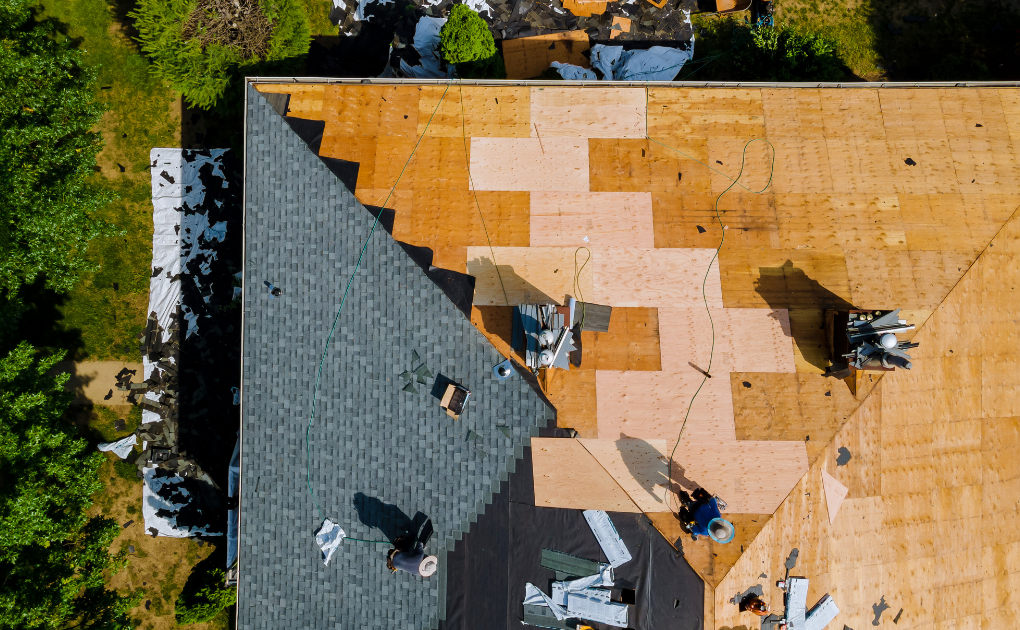
When a Roof Overlay May Make Sense
An overlay may be considered when there is one suitable existing roof layer, the shingles are flat and securely attached, and the roof plane is reasonably smooth. There should also be no known widespread leaking, wet decking, structural weakness, or severe deterioration.
Flashing and penetrations must be addressed properly, and the structure must be able to support the additional weight. Local code and manufacturer requirements must also permit the proposed installation.
For example, a simple, dry, single-layer roof with no recurring leaks may be evaluated for a shingle overlay. However, “possible” does not mean “best.” The old roof must still provide an approved substrate for a complete water-shedding system.
The amount and type of existing damage should guide the scope. Read more about how much roof damage requires replacement.
When a Full Tear-Off Is the Safer Long-Term Choice
A full tear-off is often the better option when your roof has signs of hidden damage or when the existing roof is no longer a reliable foundation for a new roof system. If you have recurring leaks, soft spots, damaged decking, curled or brittle existing shingles, or multiple layers of old roofing materials, a complete tear-off allows your roofing contractor to address those issues before installing a full roof replacement.
A tear-off is also worth considering after severe hail, high winds, or heavy snow, which are common in parts of New Mexico. Storm damage may extend below the visible shingles and affect the underlayment or roof deck.
By exposing the entire roof, your contractor can document the roof condition, make necessary repairs, replace flashing and underlayment, and install a complete new roof system from the roof deck up. While the initial investment is higher, it often provides greater long-term value, improves resale value, and reduces the risk of hidden problems being left behind.
Get the Roof Deck and Reroof Scope Evaluated First
Roof overlay vs tear off should be decided after evaluating the existing roof layer, deck condition, flashing, moisture history, code limits, and manufacturer requirements.
An overlay may lower upfront costs when the existing roof is a suitable base. A tear-off provides better access to hidden damage and starts the new system at the roof deck. The lowest bid is not necessarily the best long-term reroof scope.
East Mountain Roofing provides roof repair and replacement services for homeowners across Central New Mexico. To compare your reroof options, request a roof replacement estimate and schedule a free roof inspection and estimate.