
Roof Underlayment Types for Shingles: Felt vs. Synthetic for Central New Mexico
Asphalt shingles are the most visible part of a roof, but the underlayment beneath them plays a crucial role in the home’s roofing system. Roof underlayment acts as an extra layer of protection over the roof deck, helping manage water infiltration during installation, heavy rainfall, and everyday exposure once the roof covering is installed.
According to industry guidance, underlayment serves as the first line of defense when shingles are temporarily exposed or when wind-driven rain works past the roof covering.
This guide compares roof underlayment types for shingles used in Central New Mexico, with a focus on felt underlayment versus synthetic roof underlayment. You will learn how different roofing materials perform, how they handle heat and moisture, and how to choose the right roof underlayment for your home’s exposure, layout, and installation conditions.
Felt vs. Synthetic Underlayment: Comparison by What Matters in Central NM
Below is a simplified comparison of common underlayment options. Performance varies by product, manufacturer specifications, and how the underlayment is installed.
| Feature | Felt Underlayment | Synthetic Underlayment |
| Common materials | Asphalt-saturated felt paper | Polymers woven or rubber polymers |
| Water behavior | Water resistant | Repelling water, often more coverage |
| Dimensional stability | Can wrinkle when wet | Typically more stable |
| Exposure tolerance | Shorter exposure window | Longer exposure for newer synthetic underlayments |
| Weight | Heavier rolls | Lightweight projects benefit |
| Cost | Budget friendly option | Higher material cost |
Materials and How Each Underlayment Is Made
Felt underlayment, commonly referred to as tar paper or asphalt-saturated felt, has long been the traditional choice under asphalt shingles. It is produced by saturating felt paper with asphalt and is typically available in standard weights. Many felt products are evaluated under ASTM D4869 for steep-slope roofing use.
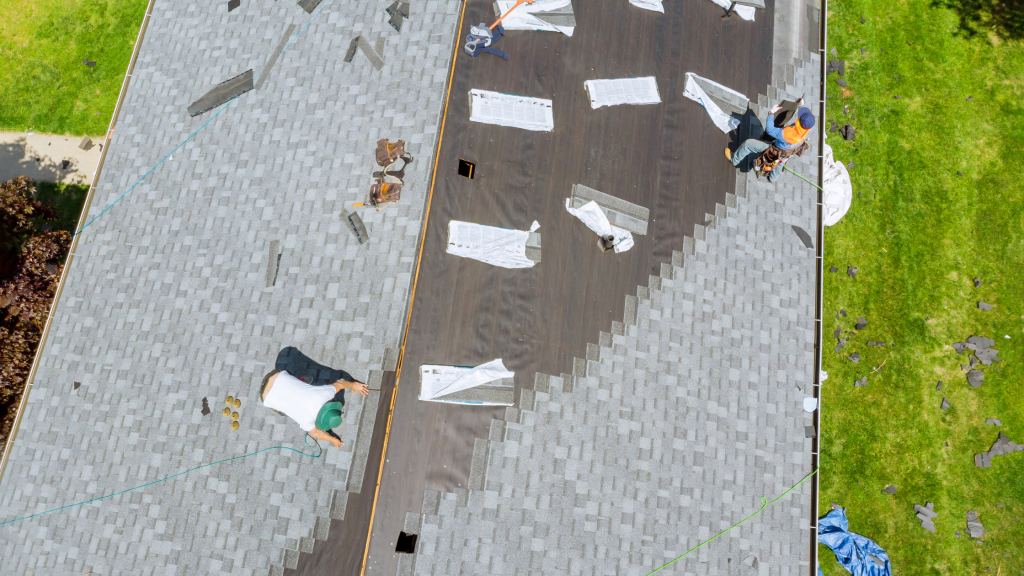
Synthetic underlayment is manufactured from engineered polymers woven into sheets designed for durability and water resistance. These materials are used in modern roofing systems and follow the best-practice guidance outlined in the NRCA Roofing Manual: Steep-Slope Roof Systems, the roofing industry’s most up-to-date technical reference for steep-slope assemblies.
Some specialized products also include rubberized asphalt underlayment or self adhered underlayment for areas prone to water infiltration.
In Santa Fe, where extreme temperatures and elevation changes are common, consistent underlayment performance and proper installation help maintain structural integrity over time.
Moisture Protection and Drying Behavior
All roof underlayment types are designed to provide additional protection, but real-world results depend on the installation process. Proper overlaps, fastening with roofing nails, and clean detailing matter more than the label alone.
Felt underlayment can absorb moisture and may wrinkle as it dries. If underlayment is installed and covered before it lays flat, wrinkles can telegraph through shingles and affect water flow.
Synthetic underlayment is typically water-resistant and does not absorb moisture the same way. This helps maintain a flatter layer, but quality varies by manufacturer. Rubberized asphalt products and self-adhering membranes can create a waterproof seal in valleys and eaves where ice dams or heavy rainfall may occur.
These moisture and drying behaviors are part of the core functions NRCA has documented for steep slope roof underlayments in its technical publication Underlayments for Steep Slope Roof Construction.
Heat and UV Tolerance: What Changes in High-Sun Areas
Heat resistance refers to how well the underlayment handles high roof temperatures and UV rays when exposed. Central New Mexico sun can raise roof surface temperatures quickly, especially when a new roof is temporarily exposed during installation.
Felt paper typically has a shorter recommended exposure window and can degrade if left exposed too long. Prolonged exposure can reduce water resistance and tear easily under foot traffic.
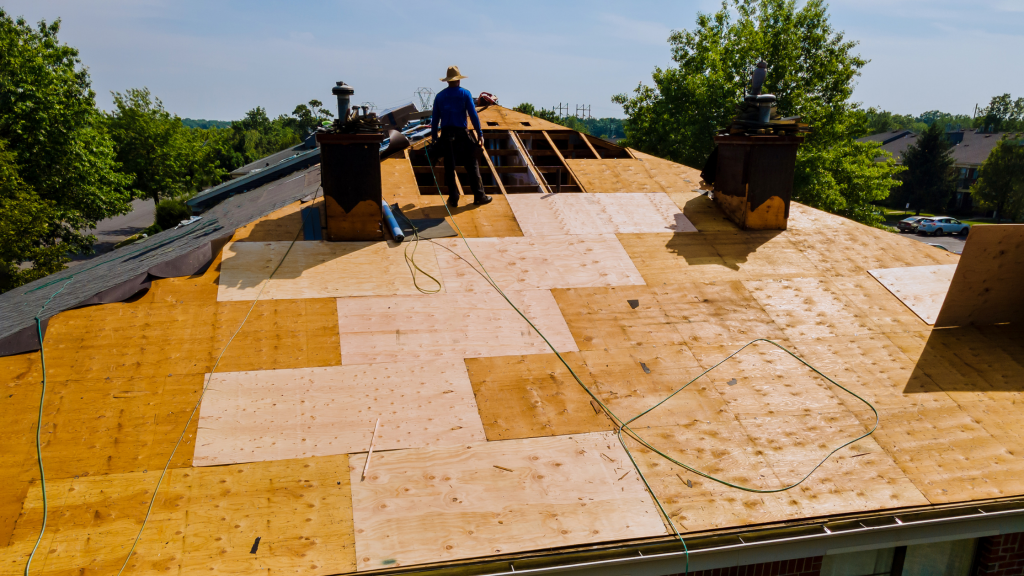
Many newer synthetic underlayments are designed with longer exposure ratings. These synthetic options can be helpful when high winds or ladder trips delay installation. Exposure limits still vary, so manufacturers’ guidelines should always be followed.
In Rio Rancho, spring winds combined with strong sun often make exposure ratings and secure fastening more important than material cost alone.
Installation Practices and “Where Problems Start”
Underlayment performance depends heavily on how it is installed. Clean laps, straight courses, and correct overlap guides reduce billowing during high winds. Secure fastening helps protect the roof deck that exists beneath from movement before shingles are installed.
Attention to details at eaves, rakes, valleys, and penetrations is critical. Poor installation can allow water infiltration even with premium materials. Wrinkles or buckles should be corrected before the roof covering goes on to avoid uneven wear.
In Albuquerque and Santa Fe neighborhoods with exposed ridgelines, careful fastening and edge detailing help prevent underlayment damage before shingles are installed.
Cost and Value: Where the Money Usually Goes
Felt underlayment usually costs less per hundred square feet, making it appealing for budget-focused projects. Synthetic underlayment costs more in materials but can offer better tear resistance, handling, and exposure flexibility.
The best underlayment is not always the most expensive. The right underlayment matches the shingle manufacturer’s requirements, local building codes, and the home’s roofing system, then gets installed correctly.
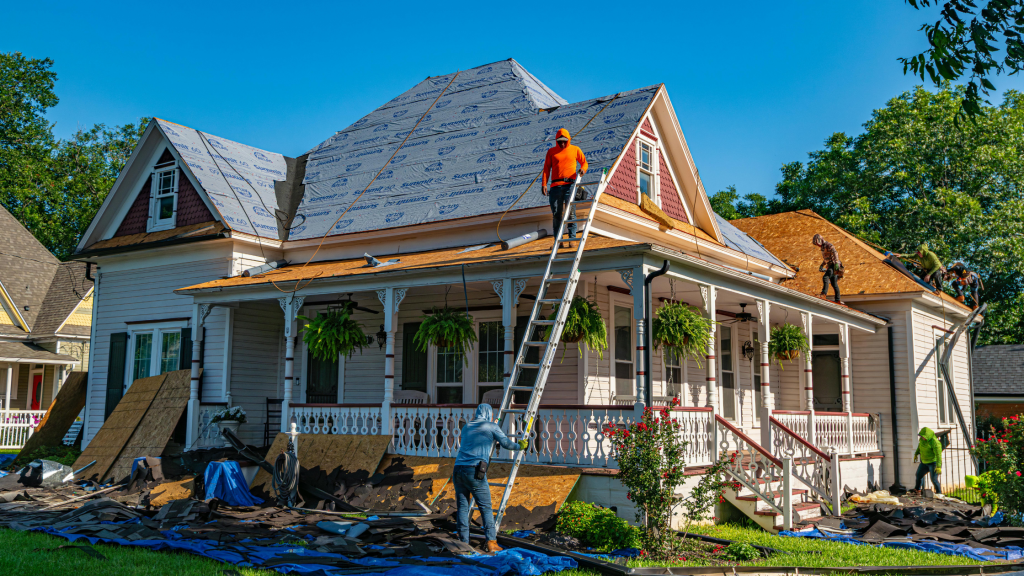
Which Underlayment Fits Your Home in New Mexico
Choosing among types of roof underlayment comes down to several factors, including roof design, exposure, and schedule.
Felt underlayment can make sense when:
- The project is budget-focused and installation can proceed quickly.
- The roof has simpler geometry with fewer penetrations.
- Exposure time before shingles are installed will be short.
Synthetic underlayment often makes sense when:
- The site experiences high winds or harsh weather.
- Installation may be delayed by weather or scheduling.
- Consistent lay-flat performance matters under intense sun.
Local context helps guide the decision. Albuquerque homes with south- and west-facing slopes see heavy sun exposure. Rio Rancho homes often face open-lot winds. Santa Fe homes benefit from added layer protection at valleys and transitions.
Request a Consultation to Match Underlayment to Your Shingle System
Choosing roof underlayment types for shingles is easiest when underlayment is matched to the shingle product, roof layout, and exposure conditions.
Felt underlayment remains a traditional choice when installed promptly and correctly. Synthetic underlayment and rubberized asphalt products can offer added protection and flexibility, depending on the job. The right roof underlayment depends on wind, sun, roof complexity, and installation timing, not just material labels.
East Mountain Roofing provides free inspections and estimates to help homeowners choose the best underlayment for a new roof. Call (505) 264-7081 or use the contact form to request an estimate and get clear next steps for your home.