

Shingle Granule Loss Signs: Early Warnings and What to Do Next
Finding sand-like particles in your gutters or near a downspout is a common experience for homeowners across Central New Mexico. With strong winds, heavy rain, and intense sun, asphalt roofs take a beating here. Not all granule shedding is a problem, but certain shingle granule loss signs point to damage that can lead to costly repairs if ignored.
This guide explains what granular loss refers to, why asphalt shingles lose granules, and how to tell normal wear from more serious roofing issues. You will learn how roof granules protect your home, what granule loss patterns matter most, when minor granule loss is expected, and when it is time for a roof inspection or professional assessment.
What Roof Granules Do (and Why Losing Them Matters)
Roof granules are the protective granules embedded on the surface of roof shingles. Their main job is to shield the underlying asphalt layer from UV rays, moisture, and physical wear. Granules also add color, improve energy efficiency by reflecting heat, and contribute to fire resistance.
When granules protect the asphalt binder properly, shingles last longer and resist cracking. When granule loss accelerates, bare asphalt becomes exposed to UV radiation, causing the asphalt layer to dry out and weaken. Over time, this can increase the risk of roof leaks and further damage.
In Albuquerque, south- and west-facing roof planes often experience faster wear because UV protection is constantly tested. These slopes may show granule loss sooner than shaded areas, even when the rest of the asphalt roof appears intact.
Why Shingles Shed Granules (Normal Causes vs. Damage Causes)
Some granule shedding is expected. With new asphalt shingles, loose granules often wash off during the first few rainstorms. This minor granule loss tapers quickly and is not a defect when shingles are installed correctly.
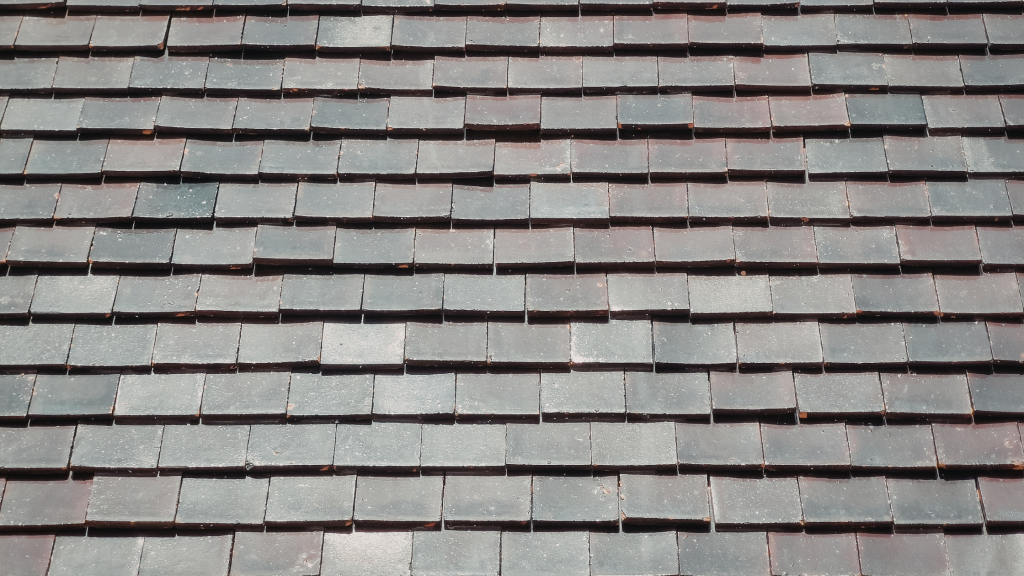
As a roof ages, even granular loss occurs as the bond between the hot asphalt and the shingle surface weakens. This is considered normal wear.
Problems start when damage causes shingles to lose more granules than expected. Hail damage can knock granules loose or dislodge granules entirely, especially on older roofs. Strong winds can lift tabs and strip granules from edges and ridgelines. Foot traffic, nearby trees, or poor installation can also cause physical damage and excessive granule loss.
In Rio Rancho, open exposure often means stronger wind pressure along roof edges. In Santa Fe, hail events frequently show up as excessive granules collecting after a single storm.
Shingle Granule Loss Signs: What’s Normal vs. What’s a Red Flag
Understanding how much granule loss is normal helps homeowners avoid unnecessary worry while still catching real problems early.
Usually normal
- Light granules in gutters shortly after installation of new asphalt shingles.
- Uniform, gradual loss across broad areas on an older roof surface.
- Small amounts of loose granules after heavy rain or seasonal storms.
Red flags
- Piles of excessive granules at downspouts after one storm, especially if it repeats.
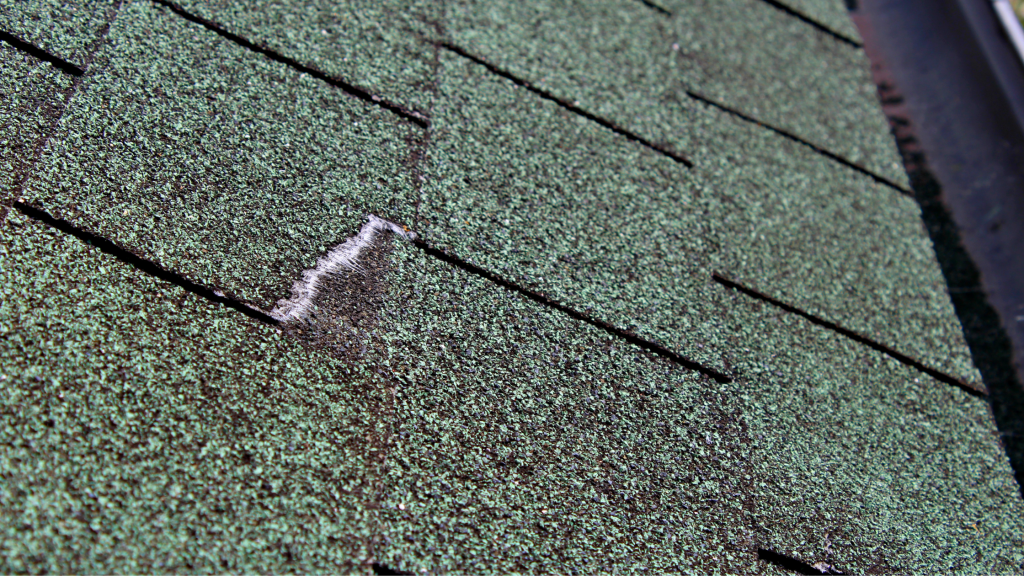
- Visible bald spots, dark patches, or discolored patches where the protective layer is gone.
- Uneven loss limited to one slope, often the most sun-exposed plane.
- Granule loss concentrated at edges, valleys, or ridges where strong winds and water flow meet.
Related warning signs
- Curling or cracked shingles
- Missing tabs or exposed fiberglass mat
- Noticing bare patches or bare asphalt
In Albuquerque, a south-facing slope may show patchy thinning while the north side remains solid. In Santa Fe, homeowners often notice visible bald spots and sand-like particles after a hail day.
Where Homeowners Usually Notice It First: Gutters, Downspouts, Driveways, and “Bald” Patches
Most homeowners notice shingle granule loss away from the roof itself. These common spots often provide the first clues about what is happening on the roof surface.
- Granules in gutters: A small amount can be normal, especially on newer roofs or after heavy rain. Repeated buildup or excessive granules over time deserve a closer look.
- Granules at downspout exits: These piles show what is washing off a specific drainage zone and can help identify where granule loss is concentrated.
- Granules on driveways or patios: Sand-like particles often appear here after storms or heavy rain, especially when granules are being loosened by wind or hail.
- Visible bald patches from the street: Dark, shiny, or patchy areas are more concerning than minor debris in gutters and may indicate the roof’s protective layer is wearing thin.
Document what you see. Take photos of downspout piles after storms and compare them over time. Photograph any patchy areas from the ground to track changes safely.
Risks If You Ignore Granule Loss (and When It Turns Into Real Roof Problems)
Granules shield the asphalt binder from sun and moisture. When shingles lose this protection, the underlying asphalt ages faster and becomes brittle. Patchy loss creates weak zones that can crack, curl, or trap moisture.
Over time, this can lead to roof leaks, structural damage, and extensive damage that requires more than minor repairs. Valleys, edges, and penetrations are often the first areas affected.
In Rio Rancho, repeated wind cycles can turn small edge wear into lifted tabs. In Albuquerque, UV-heavy slopes may require repairs years before other sections of the roof.
Industry guidance from InterNACHI explains that granule loss is a normal part of shingle aging as weathering weakens the bond between the asphalt and protective granules. Over time, granules loosen and wash away with runoff, and hail can knock granules loose more easily on older roofs where the asphalt has become brittle.
What to Do Next: A Simple Step-by-Step for Homeowners
If you notice granule loss, take a calm, practical approach:
- After storms, check inside for ceiling stains or damp smells.
- Walk the perimeter and inspect gutters, downspouts, and roof planes from the ground.
- Photograph granule piles and any visible bald spots.
- Identify the pattern. Is it early shedding, storm-related loss, or ongoing patchy wear.
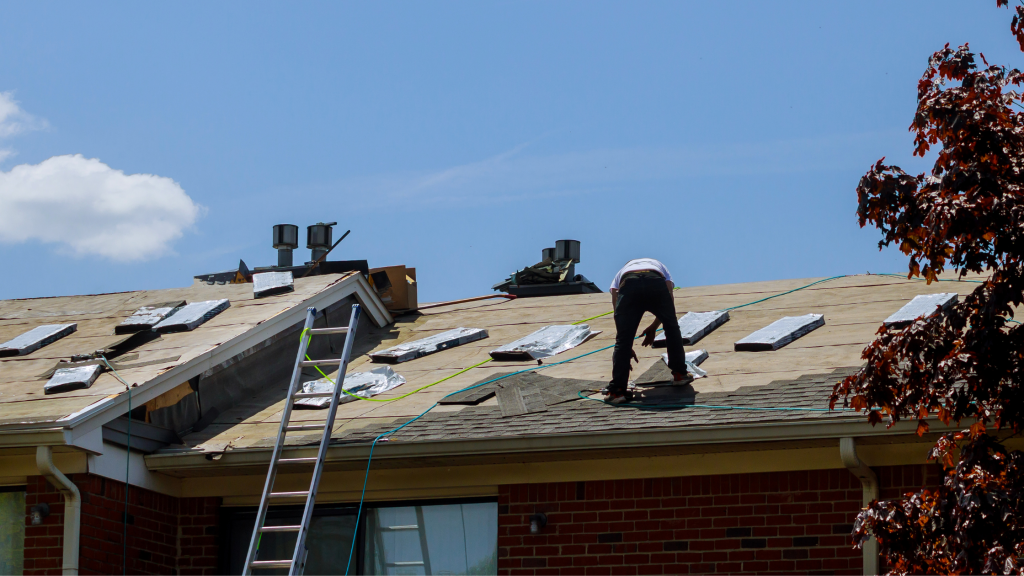
- If you see red flags, schedule a thorough inspection with a professional roofing
contractor to determine whether roof maintenance, minor repairs, or replacement planning is needed.
In Santa Fe, documenting granules after a hail event helps preserve evidence before the next storm washes it away. If needed, you can request a shingle roof estimate from us at East Mountain Roofing.
Book a Shingle Health Check and Get Clear Next Steps
If you are seeing shingle granule loss signs, the best next step is confirming whether the issue is normal aging, storm damage, or a system problem that could lead to further damage. Minor granule loss is common, but significant granule loss, bald spots, or uneven wear should be evaluated by roofing professionals.
East Mountain Roofing provides free inspections and clear guidance for homeowners across Albuquerque, Rio Rancho, Santa Fe, and surrounding areas. Whether you are maintaining an existing shingle roof or planning ahead for roof replacement, a professional assessment helps you make informed decisions.
Call (505) 264-7081 or schedule a shingle health check with our team.