

TPO Cover Board: When Does It Improve a Commercial Roof Replacement?
A TPO cover board is a rigid roof board installed beneath the TPO membrane, usually above the roof insulation or an approved existing roof surface. The TPO membrane remains the primary waterproofing layer, while the cover board supports and protects it from below.
Whether your building needs a cover board for TPO roofing depends on its conditions. Heavy foot traffic, hail, service work, puncture exposure, or an uneven substrate may justify a cover board for TPO roofing.
Commercial roofing manufacturers describe cover boards as higher-compressive-strength substrates that can improve resistance to hail, foot traffic, punctures, and other physical stresses. Some cover boards also help maintain a flatter roof surface by reducing localized compression that can contribute to sagging over time.
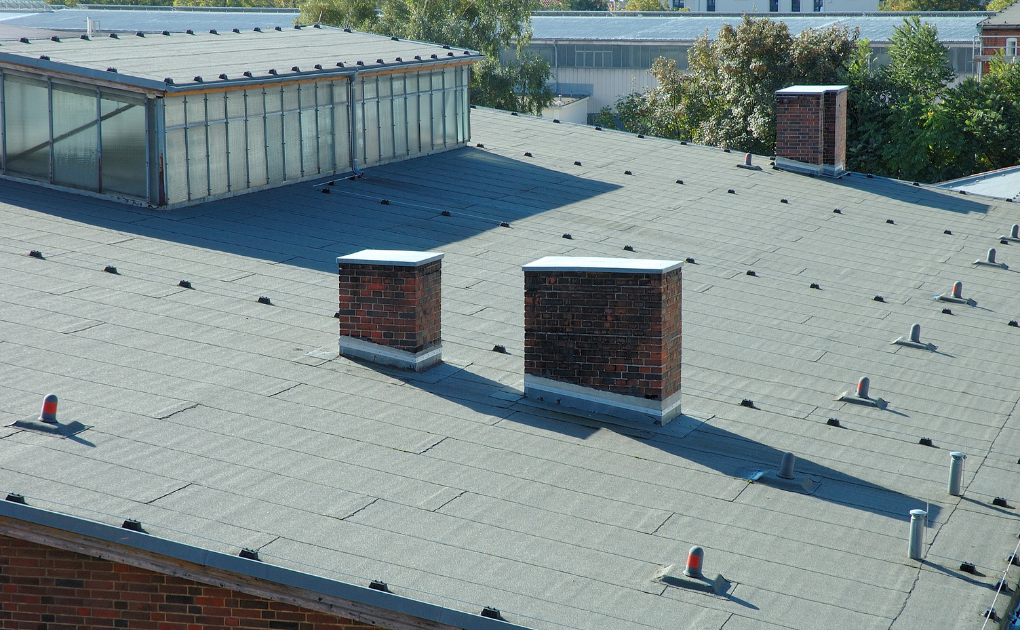
What a TPO Cover Board Does in the Roof System
A TPO cover board sits between the roof insulation and the TPO membrane in many commercial roofing assemblies. Its primary job is to create a firm, flat surface that helps protect insulation while supporting the membrane above it.
Although many low-slope roofing systems follow a similar layout, the final roofing assembly depends on the building, roof deck, insulation, attachment method, wind uplift requirements, fire classification, and manufacturer specifications.
A typical assembly may include:
- Structural roof deck
- Vapor retarder, when required
- Roof insulation
- Cover board
- TPO membrane
A cover board helps distribute localized pressure across the insulation layer, provides a suitable substrate for some fully adhered or mechanically attached systems, and can improve puncture resistance, fire resistance, and dimensional stability when used in an approved assembly.
Depending on the material, a cover board may also improve moisture resistance, reduce localized sagging, and help maintain a flatter surface beneath the membrane. Some products are also designed to work with specific adhesives used in fully adhered TPO systems, making compatibility an important part of the assembly design.
It also helps to understand the terminology. A cover board is typically installed above insulation during a new roof or tear-off project, while a TPO recovery board is installed over an approved existing roof during certain recover projects.
Whether the specified product is high-density polyiso, gypsum cover boards, or another high-density roof board depends on the approved assembly and your building’s needs.
For example, an Albuquerque commercial building with softer polyiso insulation and multiple rooftop HVAC units may benefit from a harder surface beneath the membrane in high-traffic service areas.
Learn how a TPO roofing system is installed to better understand how each layer works together in a commercial roof.
When a TPO Cover Board May Improve Reroof Durability
The value of a commercial roof cover board becomes clearer when you connect it to conditions on your roof.
| Building or roof condition | Potential cover board benefit | What must be verified |
| Frequent rooftop traffic | Better protection beneath the roof membrane | Traffic paths and walkway pads |
| Hail exposure | Increased impact resistance in approved assemblies | Complete tested assembly |
| Rooftop HVAC equipment | Better protection from dropped tools and service work | Equipment layout and access |
| Uneven recover surface | More uniform substrate | Existing roof suitability |
| Softer roof insulation | Better load distribution | Board type and compressive strength |
When the Roof Has Frequent Foot Traffic or Service Work
Roofs with regular foot traffic from HVAC technicians, maintenance crews, or solar contractors experience more wear than roofs that are rarely accessed. Repeated service visits can place concentrated pressure on the roof membrane and insulation, especially when tools or equipment are temporarily set on the roof.
A commercial roof cover board helps distribute that pressure across a firmer surface. However, it should complement designated walkway pads and good rooftop practices, not replace them. An Albuquerque office or church with several rooftop HVAC units is a good example of a building that may benefit from this added protection.
When Hail or Impact Resistance Is a Major Design Priority
Buildings in Albuquerque, Rio Rancho, and other parts of Central New Mexico often face hail and windblown debris. In approved roofing assemblies, a TPO cover board can improve impact and puncture resistance by creating a stronger surface beneath the membrane.
Keep in mind that a cover board alone does not create a specific hail rating. Performance depends on the complete tested assembly, including the membrane, insulation, attachment method, and roof deck. If your building has experienced hail damage, ask whether the proposed assembly has been tested for those conditions.
When the Roof Insulation Needs a Harder Protective Surface
The primary role of roof insulation is to improve thermal performance, but some insulation products are more vulnerable to localized pressure than others. Installing a cover board over roof insulation creates a harder surface that helps spread loads and reduce direct stress on the insulation.
Depending on the project, the specified board may be high-density polyiso, gypsum cover boards, or another material with greater compressive strength. The right choice depends on the approved assembly, not just the insulation itself.
Not sure which insulation is right for your TPO roof? Learn about ISO, EPS, and XPS insulation options for TPO roofs.
When a Recover Project Needs a More Uniform Substrate
Some reroof projects qualify for a re-cover instead of a complete tear-off. If the existing flat roof has minor surface irregularities, old fastener patterns, or rough materials, an approved TPO recovery board can create a smoother surface for the new membrane.
However, a recovery board cannot fix a wet, unstable, or structurally unsound roof. Before installing a new single-ply membrane, your contractor should confirm that the existing roof is suitable for a recover project and meets manufacturer requirements.

When a Cover Board May Not Be Necessary or Cost-Effective
A TPO cover board can improve some commercial roofing assemblies, but it is not the right choice for every building. In some cases, the additional material, labor, and installation costs may outweigh the benefits.
Adding a cover board can increase the amount of material, mechanically fastened attachments or adhesives, overall roof thickness, and roof load. It may also require adjustments to flashing heights around drains, curbs, and roof edges.
A cover board may not be necessary when:
- The approved roofing assembly does not require one.
- The roof has very limited foot traffic or impact exposure.
- The selected roof insulation already provides a suitable substrate.
- The building’s performance goals and budget support a simpler approved assembly.
The decision should not be based on cost alone. Your contractor should also review the roof deck, wind uplift requirements, fire ratings, drainage, flashing details, and manufacturer specifications before recommending a cover board.
For example, a lightly accessed office building in Santa Fe may not need the same level of impact protection as a warehouse in Rio Rancho with multiple rooftop HVAC units and frequent service traffic.
Cover Board Types Commercial Owners May See in a Proposal
Several types of cover boards are used in commercial roofing, and each serves a different purpose within the roof system.
- Gypsum cover boards are commonly selected for fire resistance, impact performance, and dimensional stability.
- High-density polyiso provides a harder surface than standard insulation while adding some thermal value.
- Cementitious boards may be specified where moisture durability, noncombustible materials, or higher compressive strength are priorities.
- Expanded perlite, wood fiber, and other specialty recovery boards may be used in approved recover assemblies when compatible with the existing roof.
If a proposal includes a cover board, ask:
- Why was this board selected?
- Is it part of the manufacturer approved assembly?
- What performance issue is it solving?
- Will it affect drainage, flashing heights, or roof load?
A hail-exposed warehouse in Albuquerque, for example, may require a different combination of membrane, insulation, and cover board than a lightly trafficked office building.
How a Cover Board Changes the TPO Reroof Scope and Price
If your proposal includes a TPO cover board, it should clearly identify the product, thickness, attachment method, and where it will be installed within the roofing assembly.
It should also explain:
- Whether the board will be installed across the entire roof or only in specific areas.
- How it relates to the insulation and roof membrane.
- Any manufacturer or tested assembly requirements.
Adding a cover board usually increases material and labor costs and may require additional fasteners or adhesives. It can also affect flashing heights, drain details, and overall roof weight.
Instead of viewing a cover board as a premium upgrade, consider whether it addresses your building’s actual risks.
If your roof sees regular service traffic, hail damage, or conditions that increase the risk of punctures, the additional investment may be worthwhile. If not, a simpler approved assembly may provide the performance your building needs.
TPO Cover Board Decisions: Get a Reroof Scope Built Around Your Building
A TPO cover board can improve the durability of your roof system when it faces frequent foot traffic, severe hail, puncture risks, or substrate conditions that require stronger membrane support. However, it is just one part of a complete roofing assembly and should be selected to address a specific performance need, not included in every reroof project.
Product selection, attachment, deck condition, drainage, flashing details, and manufacturer requirements need to be reviewed together.
At East Mountain Roofing, we help commercial property owners determine whether a cover board for TPO roofing belongs in their reroof scope. We install TPO roofing systems throughout Albuquerque, Rio Rancho, Santa Fe, Edgewood, and Central New Mexico, and provide free commercial roof inspections and estimates.
If you’re planning a reroof project, schedule a commercial TPO roof evaluation to discuss your building with our team.