
TPO Roof Seam Failure: Warning Signs, Root Causes, and Repair Options
TPO roofing systems are widely used across commercial and industrial buildings in Albuquerque because they handle heat well and deliver strong energy efficiency. As a single-ply roofing membrane made from thermoplastic polyolefin, TPO is highly reflective, designed to reflect sunlight, and built to withstand intense UV radiation common in New Mexico.
Compared to other roofing materials such as EPDM, ethylene propylene rubber, or modified bitumen, TPO roofing is often chosen for its environmental friendliness, cost-effective price, and excellent performance on low-slope roofs.
If you manage a building with TPO roofing Albuquerque property owners rely on, understanding seam failure is critical to protecting your roof deck, insulation, and building structure.
This guide explains why seams are the most critical part of a TPO roofing system, what failure looks like during regular inspections, the most common causes in New Mexico, which repairs actually last, and when replacement becomes the smarter option.
Why Seams Are the Most Critical Component of a TPO Roofing System
A TPO roofing system is a single-ply membrane installed over approved substrates, insulation, and a properly prepared roof deck. Depending on the design and roof types, the system may be mechanically fastened, mechanically attached, or fully adhered. The field membrane sheets are heat-welded or induction-welded using hot air to create a continuous waterproof layer.
Seams are the only intentional joints in this roofing system. When properly heat-welded, they help prevent water infiltration and provide protection across the entire roof. A weak seam can compromise an otherwise intact membrane and expose insulation, decking, and the building structure to potential damage.
Key definitions:
- Heat-welded seam: overlapping sheets fused together using controlled hot air
- Lap: the overlapping area between TPO membrane sheets
- Probe test: a field test performed by experienced roofers to verify seam integrity
In Albuquerque, rooftop temperatures rise quickly under strong sun exposure. Daily expansion and contraction from heat and cooling cycles place stress directly on seams. Over time, even membranes manufactured to meet ASTM standards can experience seam fatigue if installation or attachment details were not ideal.
Early Warning Signs of TPO Roof Seam Failure in Commercial Roofing
Seam failure is often progressive. Early detection through regular inspections helps building owners prevent water infiltration and larger repairs.
Visible roof-level signs include:
- Seam edges lifting or curling
- Gaps or fishmouth openings at lap joints
- Dirt tracking along seam lines
- Blisters forming near heat-welded areas
- Recurring leaks near penetrations and high traffic areas
Interior warning signs include:
- Ceiling stains after storms
- Damp insulation beneath seam lines
- Active drips during monsoon rainfall
Small separations often grow under high winds, especially on flat roofing systems common in commercial and industrial buildings. Ponding water increases seam load and accelerates deterioration of the membrane material.
Albuquerque roofs frequently show seam stress after intense heat, followed by sudden rainfall. In the East Mountains and Rio Rancho, wind uplift at perimeter edges can stress mechanically attached systems.
Root Causes of TPO Seam Failure in New Mexico Roofing Applications
Improper Installation
Many seam problems trace back to TPO roofing installation quality. Incorrect welding temperature, inconsistent overlap width, contaminated seam surfaces, or rushed installation in high winds can weaken the seam bond.
Even when the TPO membrane is manufactured by established brands such as Johns Manville, long-term performance depends on proper installation. A roofing project may appear complete while hidden seam weaknesses remain.
Thermal Movement and UV Exposure
New Mexico’s climate exposes roofs to intense UV rays and UV radiation. While TPO roofing systems offer strong UV resistance and are energy efficient, repeated expansion and contraction can stress seams over time.
High rooftop temperatures during summer, followed by cooler nights, create daily movement. That movement can lead to membrane shrinkage and stress at attachment points.
Wind Uplift and Perimeter Stress
High winds in Rio Rancho and the East Mountains transfer uplift forces to the roofing system. Mechanically fastened and mechanically attached membranes distribute these forces through seam lines and fastener rows.
Perimeter edges, parapets, and corners are common stress zones. If the system was not designed for local wind conditions, seam separation may occur.
Ponding Water and Drainage Issues
Flat roofs require positive drainage. Poor slope near drains or blocked scuppers increases standing water. Prolonged moisture exposure adds load to seams and accelerates material fatigue.
Repeated saturation can weaken the membrane and increase the likelihood of water infiltration. IIBEC technical discussions on building enclosure performance emphasize how environmental exposure affects single-ply membrane durability over time.
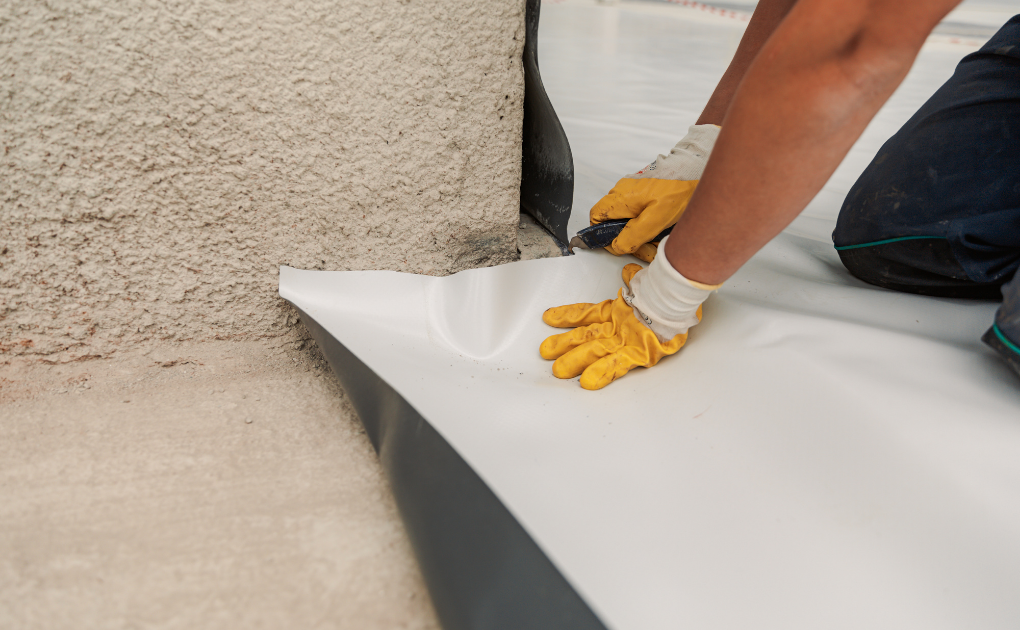
How TPO Seam Failure Is Professionally Diagnosed on the Roof Deck
Proper diagnosis evaluates the entire roofing system, including seams, insulation, decking, and attachment methods.
Inspection steps typically include:
- Full visual survey of seam lines across the roof
- Probe testing welded laps
- Moisture scanning to detect trapped water in insulation
- Checking perimeter edges, penetrations, and terminations
- Assessing drainage performance and ponding areas
A roof that appears intact from the ground may show widespread seam fatigue during probe testing. Diagnosis may also reference ASTM standards related to seam strength and membrane performance.
Regular inspections are critical for commercial roofing systems. If you want clarity on your roof’s condition, schedule a free roof inspection to evaluate seam performance and overall protection.
Repair Options for TPO Seam Failure (Cost-Effective Solutions That Last)
Selecting the right repair depends on seam condition, membrane age, and whether moisture has entered below the surface.
Heat Re-Welding
Reheating and re-fusing partially separated seams using hot air can restore a heat-welded bond. This is effective when the membrane remains flexible and clean.
It is not suitable for brittle, aged material.
TPO Patch Repairs
A reinforced TPO membrane patch can be installed over a failed seam and heat-welded into place. This approach is often cost-effective when damage is isolated.
Any wet insulation must be removed before patching to prevent future issues.
Sectional Membrane Replacement
When seam failure is more widespread, contractors may remove damaged sections and install a new single-ply membrane. The new material is welded into the existing roofing system to restore continuity.
This option is common in commercial and industrial buildings where the rest of the membrane remains in good condition.
Full Roof Replacement
If seam failure is systemic, full replacement may be the most cost-effective long-term decision. Replacement can include upgraded insulation to improve energy efficiency and reduce energy costs.
For some building owners in Albuquerque, repeated seam repairs in the same zones signal that broader replacement will provide better long-term protection.
When Seam Failure Signals Bigger Roofing System Problems
Seam separation may reflect deeper issues within the roofing system or building structure.
Possible underlying causes include:
- Improper attachment pattern
- Inadequate insulation fastening
- Chronic drainage design problems
- Structural deflection under ponding
If the roof deck or decking shifts under load, seams may repeatedly open and close. Commercial roofing on large industrial buildings is especially sensitive to uplift forces and movement.
Addressing only visible seams without correcting systemic issues often leads to repeated repairs and continued risk of water infiltration.
Maintenance Tips and Regular Inspections to Protect Your TPO Roof
Preventive maintenance extends the life of TPO roofing systems and supports long-term performance.
Recommended maintenance tips:
- Annual seam inspection
- Post-monsoon inspections
- Checking drains and scuppers
- Monitoring ponding areas
- Documenting seam condition over time
Routine maintenance helps protect the membrane and prevent water infiltration from spreading into insulation and interior spaces. Regular inspections are one of the most cost-effective strategies for maintaining flat roofing systems in New Mexico.
Albuquerque facility managers often adjust inspection schedules around monsoon season to manage risk from heat, hail damage, and high winds.
Schedule a TPO Roofing Seam Inspection in Albuquerque
For buildings with TPO roofing Albuquerque property owners depend on, seam integrity should be evaluated before minor separation turns into interior damage. TPO seams are the most vulnerable component of a single-ply membrane roofing system, and early diagnosis protects your investment.
If you are seeing seam separation, recurring leaks, or storm-related potential damage, the next step is a professional evaluation. East Mountain Roofing provides experienced inspections and practical repair recommendations for commercial buildings across Albuquerque, Rio Rancho, Santa Fe, and the East Mountains.
You can schedule a roof inspection to assess seam condition and review repair options, or explore available TPO roof services to determine whether targeted repairs, sectional replacement, or full replacement is the right solution for your commercial building. Call (505) 264-7081 or use our contact form to request your inspection.