
TPO vs Metal Roofing: Which One Is Better for Your Building?
If you’re comparing TPO vs metal roofing, the first thing to understand is that the right choice depends on your building’s design, roof slope, budget, and long-term goals. This is not a simple metal vs membrane roofing debate because both roofing systems serve different purposes.
In most cases, TPO roofs are designed for flat roofs and low-slope roofs, while metal roofs are commonly installed on sloped residential homes, shops, warehouses, and light commercial buildings. Each system offers unique benefits in terms of durability, energy efficiency, maintenance requirements, and installation process.
Whether you’re evaluating an existing roof, replacing an old metal roof, or selecting roofing materials for a new project, understanding the differences can help you choose the right roofing system.
This guide compares cost, durability, installation requirements, energy-efficient properties, maintenance needs, and real-world applications for New Mexico homes and commercial properties.
TPO vs Metal Roofing: Roof Slope Matters for Flat Roofs and Metal Roofs
For most building owners, roof slope is the fastest way to narrow down the TPO roofing vs metal roof decision.
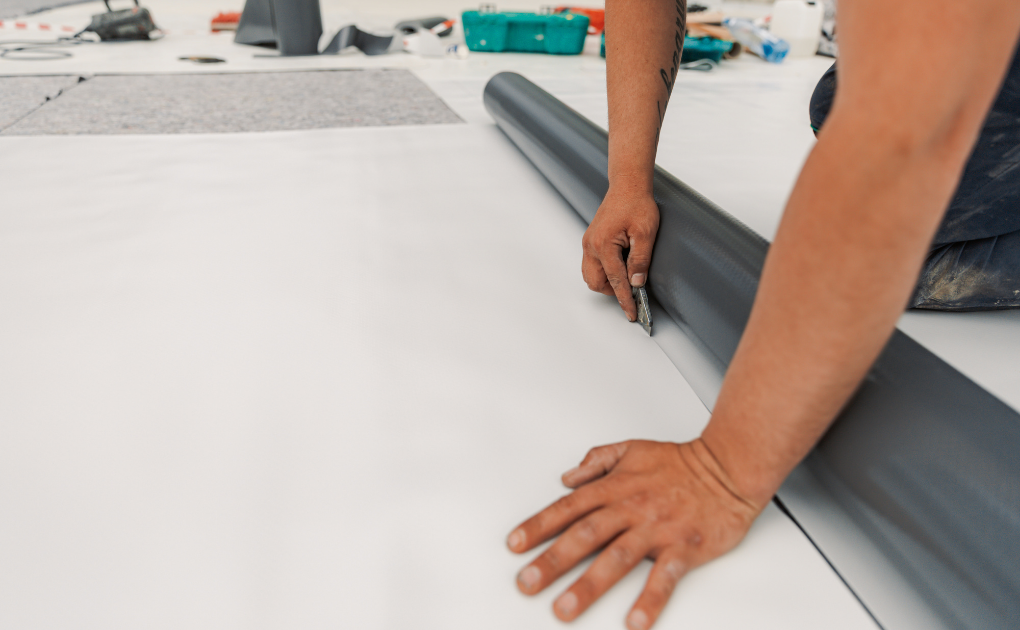
TPO roofing systems are specifically designed for flat roofs and low-slope roofs. As a single-ply roofing membrane, TPO creates a durable waterproof barrier across the roof surface.
These systems are commonly installed on flat commercial roofs, office buildings, retail centers, churches, warehouses, and other commercial properties. TPO systems work particularly well when the roof includes rooftop HVAC units, drains, scuppers, parapet gutters, and structural steel decking.
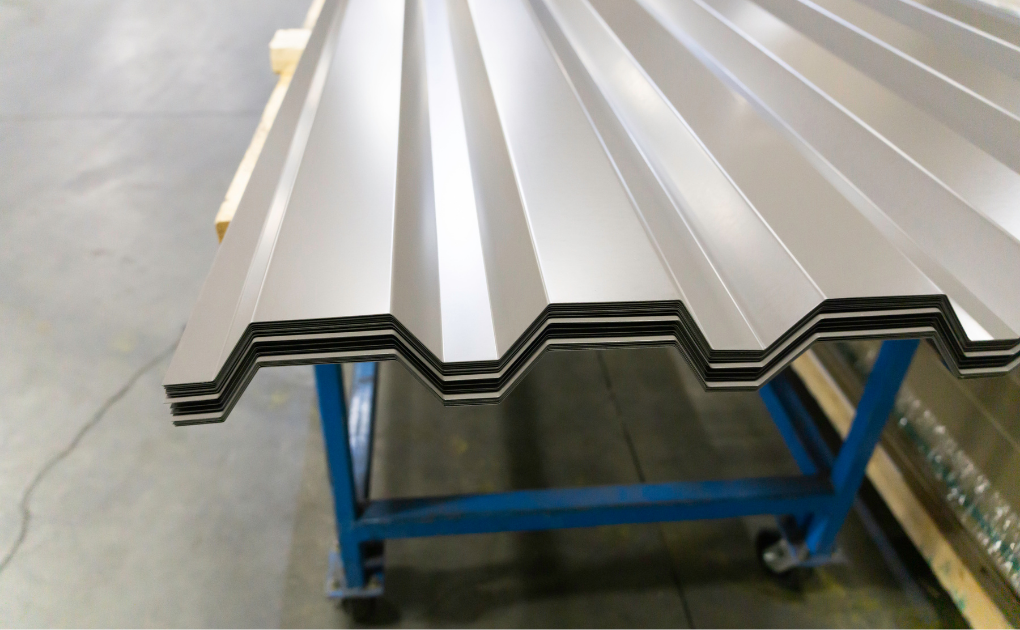
Metal roofing systems are typically installed on sloped structures where water can shed efficiently. Metal roof panels are commonly used on homes, metal buildings, warehouses, agricultural structures, churches, and light commercial buildings.
Many property owners choose metal roofs because of their appearance, exceptional durability, and ability to withstand high winds.
Some buildings require both roofing systems. For example, a Santa Fe mixed-use property may use TPO over flat roof sections while utilizing a standing seam metal roof over pitched roofs.
TPO vs Metal Roofing: Cost, Durability, Installation Process, and Best Use Cases
| Feature | TPO Roofing | Metal Roofing | What It Means for New Mexico Buildings |
| Typical Application | Flat roofs and low-slope roofs | Pitched roofs and sloped structures | Roof slope often determines the best fit |
| Material Type | Synthetic materials membrane | Steel, aluminum, copper, or galvanized steel panels | Different roofing materials for different applications |
| Installation Process | Single-ply membrane with heat-welded seams | Metal panels, flashing, clips, and fasteners | Different labor requirements |
| Energy Efficiency | Highly reflective roof surface | Reflective coatings available | Both can improve energy efficiency |
| Maintenance | Seams, drains, flashing | Fasteners, trim, coatings | Both require proper maintenance |
| Common Buildings | Commercial building roofs | Homes, shops, and metal building roofs | Building use matters |
Cost and Budget Planning
When comparing roofing systems, cost depends on much more than the price per square foot.
For TPO systems, project costs are influenced by roof size, membrane thickness, insulation boards, drainage corrections, rooftop penetrations, tear-off requirements, and the condition of the existing roof. Labor costs can increase when multiple HVAC units, drains, curbs, and parapet walls require detailed flashing work.
For metal roofing systems, costs depend on panel style, roof complexity, flashing details, underlayment, and whether you choose standing seam or exposed-fastener metal panels.
A large Albuquerque office building may benefit from TPO as a cost-effective solution for expansive flat roof areas. A Rio Rancho shop may compare exposed-fastener panels and standing seam systems to balance upfront costs and long-term performance.
TPO can be a cost-effective alternative for large commercial roof surfaces. Metal roofing may involve a higher upfront investment but often appeals to owners seeking durability, appearance, and long-term value.
Durability and Storm Performance in Harsh Weather Conditions
Both TPO and metal roofs can deliver exceptional durability when installed correctly.
For TPO roofs, performance depends on membrane durability, membrane thickness, heat-welded seams, drainage design, flashing quality, and protection around rooftop equipment. TPO membranes are engineered to resist UV exposure and provide reliable weather protection when proper installation standards are followed.
Metal roofs depend on panel design, fastener systems, protective coatings, flashing details, and rust prevention measures. A properly installed steel roof can withstand high winds, hail events, and prolonged sun exposure common throughout New Mexico.
The state’s harsh weather conditions include monsoon storms, intense UV exposure, hail, and wind-driven debris. Neither system is immune to damage during extreme weather conditions, but both can perform exceptionally well when matched to the correct application.
An Albuquerque commercial building with a TPO roof should have drains, seams, and rooftop penetrations inspected regularly. In the East Mountains, metal building roofs should be evaluated after severe storms for hail impacts, trim damage, and loose fasteners.
Installation Process, Existing Roof Conditions, and Roof Slope Requirements
The installation process differs significantly between TPO and metal roofing systems.
TPO roofing systems are installed as a single-ply roofing membrane over insulation boards and roof substrates. Heat-welded seams create a waterproof barrier, while flashing details protect penetrations and transitions. TPO is commonly installed over structural steel decking on commercial buildings.
Metal roofing uses metal roof panels, flashing, clips or fasteners, underlayment, and trim components. Most systems require sufficient roof pitch to effectively shed water.
This distinction matters because roof slope directly affects long-term performance. Flat roofs and low-slope roofs are more vulnerable to ponding water, while sloped roofs naturally move water away from the structure.
Using the wrong roofing system for the application can create recurring leak issues and, in severe situations involving prolonged water accumulation, contribute to structural concerns or increased roof loading.
A New Mexico home may use a standing seam system on the main roof while installing TPO over a flat porch or addition. If you’re considering metal roofing, learn more about the minimum slope for metal roofing.
Energy Performance in New Mexico Sun
Energy efficiency is a major consideration for New Mexico property owners.
One reason commercial TPO roofing remains popular is TPO’s reflective properties. White TPO membranes help reduce heat absorption by reflecting sunlight away from the roof surface. This can contribute to lower cooling costs, reduced energy costs, and a more stable interior climate during Albuquerque’s hottest months.
Metal roofs can also be highly energy efficient. Modern reflective coatings, light-colored finishes, sheeting ventilation systems, and solar panels can improve a building’s energy performance while reducing cooling costs.
Both roofing systems can support energy-efficient properties when combined with proper insulation and ventilation. Depending on the building design, reflective roofing materials may significantly reduce cooling costs and help create a more stable interior climate.
According to the EPA’s Cool Roof guidance, both low-slope and steep-slope roofs can benefit from reflective roofing technologies when appropriately designed for the building’s needs.
Residential and Commercial Building Applications: Where TPO Roofs and Metal Roofs Fit Best
For residential properties, metal roofs are often the preferred solution for pitched roofs. Homeowners frequently select metal roofing for New Mexico buildings because of its appearance, low maintenance requirements, wind resistance, fire resistance, and longevity.
TPO may be appropriate for flat roofs found on modern homes, patio covers, additions, and other low-slope residential applications.
For commercial properties, TPO roofing systems are among the most common roofing systems installed on commercial building roofs. Offices, retail centers, churches, schools, warehouses, and government facilities often rely on commercial TPO roofing because it accommodates rooftop equipment and drainage systems effectively.
Metal roofing systems are frequently used on shops, warehouses, agricultural facilities, and sloped commercial building applications.
Some buildings use both systems. An Albuquerque warehouse may utilize TPO on the main flat roof while incorporating metal roof panels on canopies or attached shop areas. A Santa Fe mixed-use building may combine TPO and standing seam roofing to accommodate multiple roof designs.
Maintenance Differences for TPO Systems, Existing Metal Roofs, and New Metal Roofs
Neither TPO nor metal roofing is maintenance-free.
TPO maintenance typically focuses on heat-welded seams, flashing details, rooftop penetrations, drains, ponding water, edge terminations, and membrane condition. Building owners should monitor high-traffic areas around rooftop equipment for signs of wear.
Metal roof maintenance focuses on fasteners, trim, flashing, sealants, protective coatings, and rust prevention. Owners of existing metal roofs should periodically inspect for loose fasteners, damaged flashing, coating deterioration, and storm-related impacts.
Whether you own a new metal roof or an older system, proper maintenance helps identify small issues before they become costly repairs.
Both roofing systems benefit from annual inspections, post-storm evaluations, and debris removal. Small maintenance visits before the monsoon season can help protect the roof surface and preserve long-term performance.
For example, Albuquerque TPO roofs should have drains and curbs checked after storms, while Edgewood metal roofs should be inspected after major wind events.
Choosing the Right Roofing System: A Decision Checklist for Building Owners
Consider TPO if:
- Your roof is flat or low-slope.
- You manage commercial properties.
- You need a cost-effective solution for large roof areas.
- Reflective roofing and energy efficiency are priorities.
- Your building includes drains, parapet gutters, rooftop HVAC equipment, or scuppers.
- You’re replacing an aging flat roof or comparing TPO to an EPDM roof.
Consider metal roofing if:
- Your roof is sloped.
- Long-term durability and curb appeal matter.
- You are comparing standing seam and exposed-fastener systems.
- Wind resistance and fire resistance are important.
- The building is a home, shop, warehouse, church, or agricultural facility.
- You are replacing an old metal roof or evaluating existing metal roofs.
Evaluate both systems if:
- The building includes flat and sloped roof sections.
- Different roof areas require different roofing materials.
- You want the most practical solution for each section of the structure.
A Rio Rancho shop may use metal roofing on the primary structure while utilizing TPO over an attached office. An Albuquerque commercial building may rely on TPO for the main roof and metal roofing for awnings or architectural accents.
TPO vs Metal Roofing in New Mexico: Request an Estimate and Free Roof Inspection
When comparing TPO vs metal roofing, the right answer depends on roof slope, building use, drainage requirements, energy goals, budget, and long-term expectations.
TPO is often the best fit for flat commercial roofs and low-slope roofs where a reflective membrane system can improve energy efficiency and simplify waterproofing. Metal roofing is often the stronger choice for sloped residential and light commercial structures where durability, appearance, and weather resistance are priorities.
Some buildings benefit from both systems.
East Mountain Roofing provides TPO and metal roofing services throughout Albuquerque, Rio Rancho, Santa Fe, Los Lunas, Edgewood, the East Mountains, and surrounding Central New Mexico communities. We offer free roof inspections, free estimates, expert installation, and a 10-year labor warranty on new roof installations.
Call East Mountain Roofing today at (505) 264-7081 to schedule your free roof inspection and get expert guidance on the right roofing system for your building.
Frequently Asked Questions About TPO vs. Metal Roofing
How do I know whether my building needs TPO or metal roofing?
The fastest way to narrow it down is roof slope. TPO is designed for flat and low-slope roofs, making it the common choice for commercial buildings, warehouses, offices, and flat sections on homes or patio covers. Metal roofing is typically installed on sloped structures where water can shed efficiently, such as homes, shops, and light commercial buildings. Many properties actually use both, for example a standing seam metal roof over pitched sections and TPO over a flat addition. An on-site evaluation is the most reliable way to match the right system to your building.
Which lasts longer and holds up better in New Mexico storms, TPO or metal?
Both can deliver excellent durability when installed correctly, but they protect your building in different ways. TPO performance depends on membrane thickness, heat-welded seams, and good drainage design, and quality TPO resists UV exposure well. Metal roofs rely on panel design, fastener systems, and protective coatings, and a properly installed metal roof stands up strongly to high winds, hail, and prolonged sun. Neither is immune to New Mexico’s monsoon storms, hail, and wind-driven debris, so the right choice comes down to matching each system to the correct application and keeping up with inspections.
Is TPO or metal roofing more cost-effective?
It depends on the size and design of your roof. TPO is often the more cost-effective solution for large, flat commercial roof areas, with pricing influenced by membrane thickness, insulation, drainage corrections, and rooftop penetrations. Metal roofing usually involves a higher upfront investment but appeals to owners who prioritize long-term durability, curb appeal, and weather resistance. The smartest way to compare is to look beyond the price per square foot and consider the full lifespan, maintenance needs, and how each system fits your specific building.