

What Drip Edge Does for Your Roof and Gutters
A drip edge roof detail may seem like a small part of your roofing system, but it performs several important jobs that help protect your home. Installed along the eaves and rakes, drip edge is a type of metal flashing that helps control how water leaves your roof and enters your gutters.
Rather than serving as decorative trim alone, drip edge flashing supports cleaner water shedding, helps protect the roof deck edge, and reduces unnecessary moisture around the fascia.
Whether your home is in Albuquerque, Rio Rancho, Santa Fe, or the East Mountains, understanding what a roof drip edge does can help you recognize early warning signs before they become expensive repairs.
Here’s what drip edge does, why it matters, and when it’s time to schedule a professional inspection.
1. Drip Edge Flashing Directs Roof Water Into the Gutter
The primary job of a drip edge is to create a clean, defined path for water to leave the roof. As rain flows off your shingle roofs, the drip metal helps direct water into the gutters instead of allowing it to cling to the underside of the shingles or curl back toward the fascia.
Without the right drip edge, water may run behind the gutter, stain trim, wet the fascia, or drip unevenly along the roof edge. Over time, this repeated moisture can contribute to water damage, especially during New Mexico’s fast-moving summer storms.
According to the Asphalt Roofing Manufacturers Association (ARMA), properly installed drip edge flashing provides efficient water shedding at shingled eaves and rakes while helping reduce the chance of water getting underneath shingle edges.
This makes drip edge an essential component of a complete roofing system, but it does not replace gutters. Instead, the two work together to ensure water leaves your roof as intended.
During an intense Albuquerque monsoon, heavy runoff needs a clean path away from the home. When the roof, gutters, and drip edge roof detail all work together, water is less likely to collect away from the fascia or behind the gutter line.
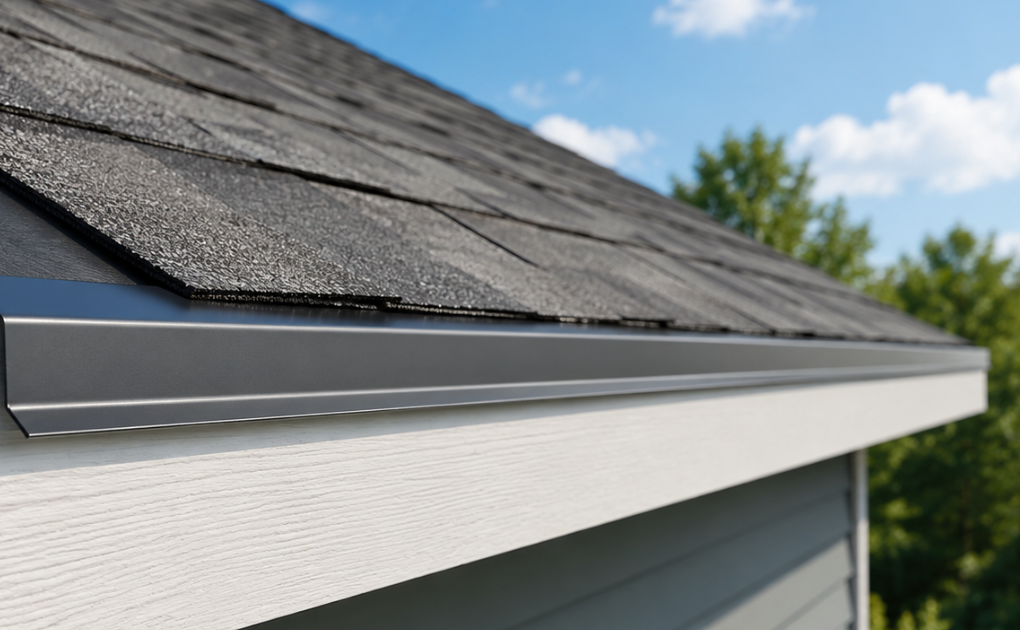
2. Drip Edge Installation Helps Protect the Existing Roof Deck Edge From Moisture
The lower edge of your roof deck is one of the most vulnerable parts of the roof structure because water naturally wants to wrap underneath the edge of the shingles. Proper drip edge installation helps reduce moisture exposure where the roof deck, fascia, and edge flashing meet.
Without a properly installed drip edge, moisture can contribute to softened decking, peeling paint, rotted fascia boards, and edge leaks. While no roofing product can eliminate every moisture issue, keeping water moving away from the roof edge plays a crucial role in protecting your home.
This is especially important in Santa Fe and the East Mountains, where freeze-thaw cycles and snowmelt can increase stress on exposed roof edges. A small problem at the roof perimeter can eventually lead to larger repairs involving the decking, fascia, gutters, or even interior finishes.
If you notice signs of moisture around your roof edge, it’s a good idea to schedule a professional inspection before damage spreads. Learn more about our leaky roof repair and how early repairs can help protect your home.
3. Drip Edge Supports Shingle Roofs at Eaves and Rakes
A roof drip edge does more than work with gutters. It also supports the edges of your shingles by creating a clean termination point along the eaves and rakes. This helps the roofing materials work together as a complete roofing system.
When installing drip edge, the placement of the underlayment, starter shingles, and metal flashing installed at the roof perimeter all matter. The drip edge is typically secured with roofing nails, and many profiles include a vertical leg that covers the fascia along with a lower flange that directs water away from the roof edge.
When installed correctly, these components work together to support the roofing system and help reduce water seeping beneath the existing shingles.
The National Roofing Contractors Association also recommends installing drip edge at rake edges in “shingle fashion” so water continues flowing over each overlapping section. Following these requirements helps reduce the chance of water infiltration around roof edges while supporting long-term roof performance.
Homes in Rio Rancho and Edgewood often experience strong winds, making it especially important that the roof edge, shingles, and drip edge flashing remain secure.
Missing or bent metal along the rake edges should be inspected before harsh weather conditions create larger problems.
4. Installing Drip Edge Helps Reduce Wind-Driven Rain Problems
A drip edge roof detail is not designed to make your roof waterproof or windproof. Instead, it is one part of the roof assembly that helps manage wind-driven rain, especially where water is pushed sideways at roof edges during severe weather.
Areas such as rake edges, eaves, starter strips, loose underlayment, and gutter lines are often exposed when storms combine heavy rain with high winds. If the drip edge, shingles, or flashing become damaged, water may find pathways into vulnerable areas of the roof structure.
FEMA notes that roof performance depends on more than the shingles themselves. Proper installation, quality materials, compliance with local building codes, and attention to edge details all contribute to a roof’s ability to perform during severe weather.
Open neighborhoods in Rio Rancho frequently experience gusty conditions, while homes in Edgewood, Cedar Crest, Sandia Park, and the East Mountains may also contend with blowing debris and wind-driven rain. If you notice lifted shingles, bent drip edge, or loose roof-edge materials after a storm, schedule a professional inspection.
You can also learn more about our guide on common wind damage roof signs and when repairs may be needed.
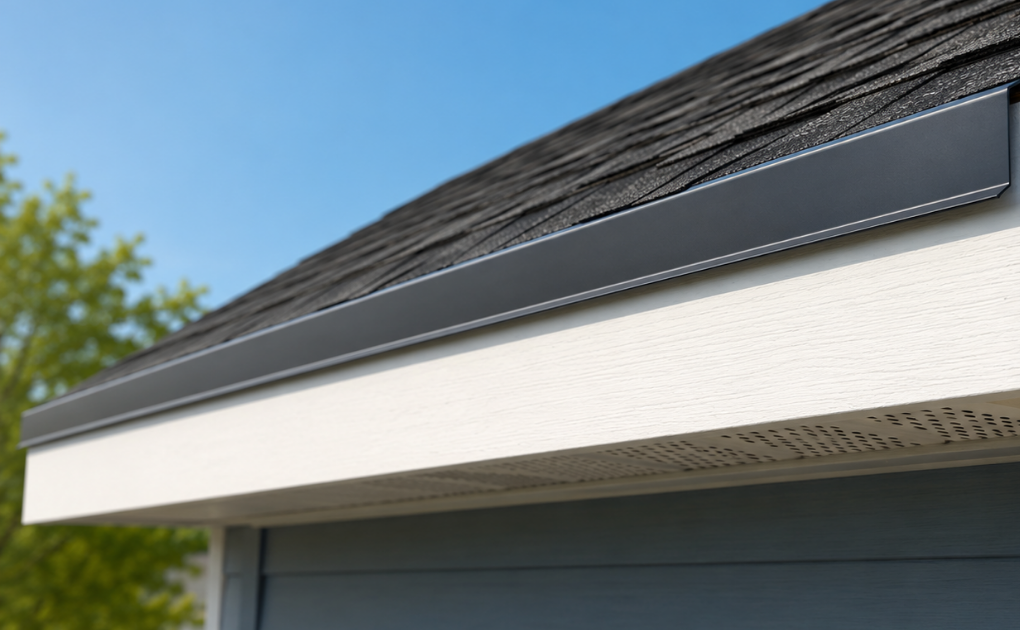
5. Drip Edge Helps Keep Fascia and Trim Cleaner and Drier
One of the most noticeable benefits of a properly installed drip edge is that it helps keep the fascia and trim cleaner over time.
By encouraging water to leave the roof edge cleanly and flow into the gutters, drip edge plays an important role in preventing water from lingering around the fascia, offering protection to the wood trim while giving the roofline a more finished look.
Without proper water shedding, you may notice streaking below the roofline, peeling paint, softened fascia boards, or water marks behind the gutters. These issues do not always point to the drip edge flashing alone, but they often indicate that the roof edge deserves closer attention.
A roofing professional should inspect the entire roof-edge assembly, including the gutters, shingle overhang, fascia condition, and flashing details.
Looking at the complete system helps identify the true source of moisture instead of treating only the visible symptoms.
6. Roof Drip Edge Installation Works With Underlayment, Starter Shingles, and Gutters as a System
Although drip edge installation plays an important role, it is only one part of a complete roofing system. Proper performance depends on how the drip edge, underlayment, starter shingles, roof covering, fascia, and gutters work together to move water safely away from the home.
The installation process also matters. Building codes, manufacturer instructions, and the International Residential Code specify how drip edge should be integrated at the eaves and rakes with the underlayment.
Depending on the roof design, contractors may use different profiles, such as T style, Type C, D metal, or an extended drip edge with a longer leading edge to improve water control.
Materials such as galvanized steel and aluminum are commonly selected because they are corrosion-resistant and designed to withstand New Mexico’s changing weather conditions.
On some homes, a gutter apron may also be appropriate where additional water control is needed. Whether you’re replacing an existing roof, planning a roof replacement, or installing a new drip edge, the goal is to select the right drip edge for the roof design while following most building codes and shingle manufacturers’ requirements.
After a heavy monsoon in Albuquerque, water collecting behind gutters may result from several issues, including improper shingle overhang, damaged gutters, poor slope, or an aging edge flashing detail. Simply applying caulk rarely solves the underlying problem. A thorough inspection of the complete roof-edge system is the best way to determine the appropriate repair.
7. Drip Edge Makes Roof-Edge Problems Easier to Spot During Inspections
A properly installed roof drip edge also makes routine roof inspections more effective. Because the metal creates a clearly defined roof edge, contractors can more easily identify missing sections, loose metal, poor shingle overhang, gaps behind gutters, water stains, or softened wood before damage becomes more extensive.
From the ground, homeowners can safely watch for warning signs such as water running behind the gutters, staining on the fascia or siding, curling shingles near the roof edge, or visible missing metal along the eaves and rakes.
These symptoms do not always indicate a drip edge problem alone, but they do suggest the roof should be professionally evaluated.
For safety, never climb onto a steep, wet, icy, or storm-damaged roof to inspect the edge yourself. If your home has recently experienced high winds or hail, review this post-windstorm roof inspection guide and schedule a professional assessment if you notice signs of damage.
Schedule a Drip Edge Roof Inspection Before Water Damage Spreads
A drip edge roof detail helps your shingles, gutters, fascia, and roof edges work together to move water away from your home.
While it may seem like a small piece of metal flashing, it plays a crucial role by directing runoff into the gutters, supporting the edges of shingle roofs, protecting the roof deck, helping manage wind-driven rain, and keeping fascia and trim drier.
Whether your home is in Albuquerque or the surrounding areas, maintaining your roof edge can help reduce the risk of moisture-related damage. If you are planning a full roofing project or have concerns about a damaged roof edge, professional roofing services, including inspections, repair, and replacement, can help identify problems before they become more expensive to fix.
provides free roof estimates, expert roof repair, and roof replacement services using quality materials backed by a 10-year labor warranty. Schedule a roof-edge inspection today, or call (505) 264-7081 to learn how we help homeowners protect their roofs throughout Central New Mexico.