

7 Signs You Need Emergency Roof Leak Repair
Some roof leaks can wait for a scheduled appointment, but others are true emergency roof leak repair situations that can jeopardize your home’s structural integrity, electrical safety, and indoor air quality.
A leaking roof during heavy rains, high winds, or after hail damage can escalate quickly, leading to soaked insulation, ceiling collapse, or even hidden water intrusion inside walls and roof trusses.
This guide walks through seven urgent warning signs that your home needs emergency roof repairs right away, plus what you can safely do in the moment to limit further damage. You’ll also learn when to call a licensed roofing contractor or emergency roofer for professional help, especially when storms, fallen tree branches, or other hazards create a true roofing emergency.
1. Bulging or Sagging Ceilings Under the Leak
A bulging or sagging ceiling is one of the clearest signs you need emergency roof leak repair. When water pools above drywall, it adds weight and pressure, creating a dangerous situation that can collapse without warning.
According to FEMA’s guidance on documenting and responding to weather-related damage, homeowners should prioritize safety first and treat any ceiling deformation as a serious structural concern.
What to look for:
- Dome-shaped or sagging drywall beneath a leaky roof
- Cracks or spiderweb patterns forming under the wet area
- Popping or creaking sounds from water-soaked roof trusses
Immediate steps (only if safe):
Clear the surrounding area and move valuables. Place buckets or tubs under the bulge. In some cases, contractors will create a controlled drainage hole using basic methods (like applying roofing cement, roofing nails, or a temporary fix), but this should be left to a professional unless the ceiling is stable.
When to call immediately:
Any visible ceiling displacement is a roof repair emergency and requires fast professional attention.
2. Active Dripping or Streaming Water Indoors
Active water leaks, especially steady dripping or small streams, signal that water is moving quickly through damaged shingles, failed roof penetrations, or damaged flashing.
What to look for:
- Water dripping from ceilings, vents, or skylights
- Streams running down walls or around window frames after heavy rains
- Moisture around vent stacks, smoke detectors, or ceiling joints
Immediate steps:
Catch water with buckets or towels. Move electronics, rugs, and furniture. Document everything with date-stamped photos. Your insurance company or insurance agent may require it if you end up filing an insurance claim.
When to call immediately:
If water continues to enter during a storm, request emergency roof repair services. Uncontrolled leaks spread into insulation and wiring quickly.
3. Multiple New Ceiling Stains After a Single Storm
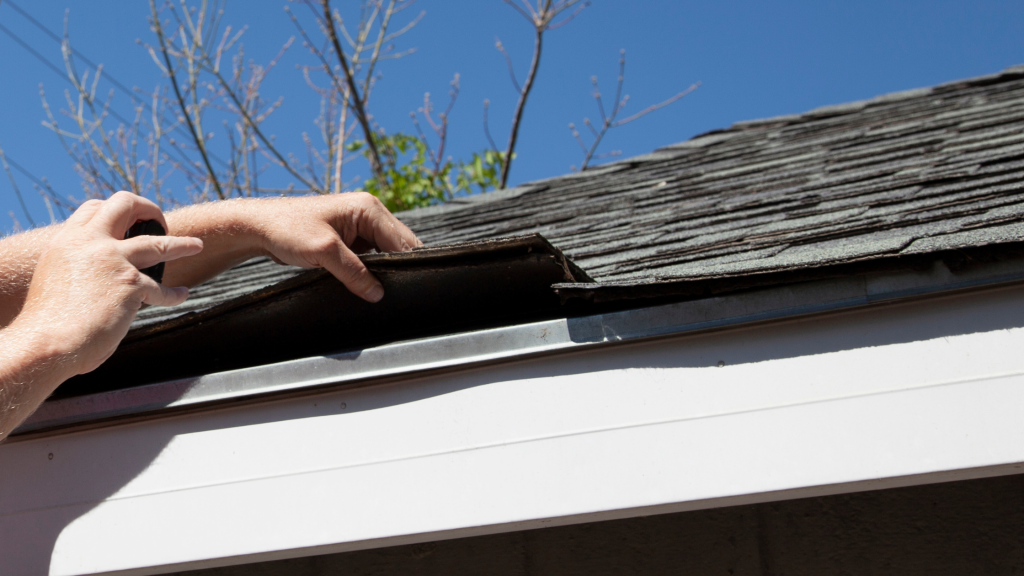
A single faint stain might be from natural wear, but multiple new stains after a storm or big storm event indicate widespread roof damage.
What to look for:
- Fresh yellow or brown rings in more than one room
- Stains that expand over several hours
- Damp insulation or soft drywall beneath affected areas
Immediate steps:
Mark the edges with painter’s tape to track growth. Photograph each spot. Multiple stains may mean several missing shingles, broken shingles, or a shared failure around a valley or other roof penetrations.
When it becomes an emergency:
Multiple leak points mean a large portion of the roofing materials are compromised. The US Environmental Protection Agency warns that trapped moisture can quickly cause mold, mildew, and air-quality issues.
4. Water Near Electrical Fixtures or the Breaker Panel
Water near electrical components is a severe and immediate hazard. Any roof leak repair emergency involving electrical contact requires urgent action.
What to look for:
- Moisture around ceiling lights, recessed cans, or fans
- Dripping from light trim rings or fan housings
- Water running near outlets, switches, or your home’s fuse box
Immediate steps (only if safe):
Don’t touch wet electrical fixtures. If safe, turn off breakers. Keep people and pets out of the space.
When to call immediately:
Electrical contact with water is a life-safety emergency. This disaster guide from Ready.gov stresses that water and electricity should never mix and requires professional attention right away.
5. Rapidly Worsening Moldy or Musty Odor
A new, strong musty smell following a roof leak suggests water is trapped long enough to support mold growth, a common problem in homes with ongoing water intrusion.
What to look for:
- New, earthy smells in specific rooms
- Dark spots or streaks on ceilings or walls
- Odors intensifying daily after storms or ice dams
Immediate steps:
Limit time in the affected area, especially for sensitive individuals. Avoid disturbing the mold.
When to call immediately:
If the smell intensifies quickly, you likely have hidden leaks saturating insulation or wall cavities. The US Environmental Protection Agency (EPA) stresses prompt action to prevent significant damage and spread.
6. Roof Damage Visible From the Ground After a Storm
If you can see obvious roof damage from the ground, and you also have interior leaks, you need emergency roofing services immediately.
What to look for (from the ground):
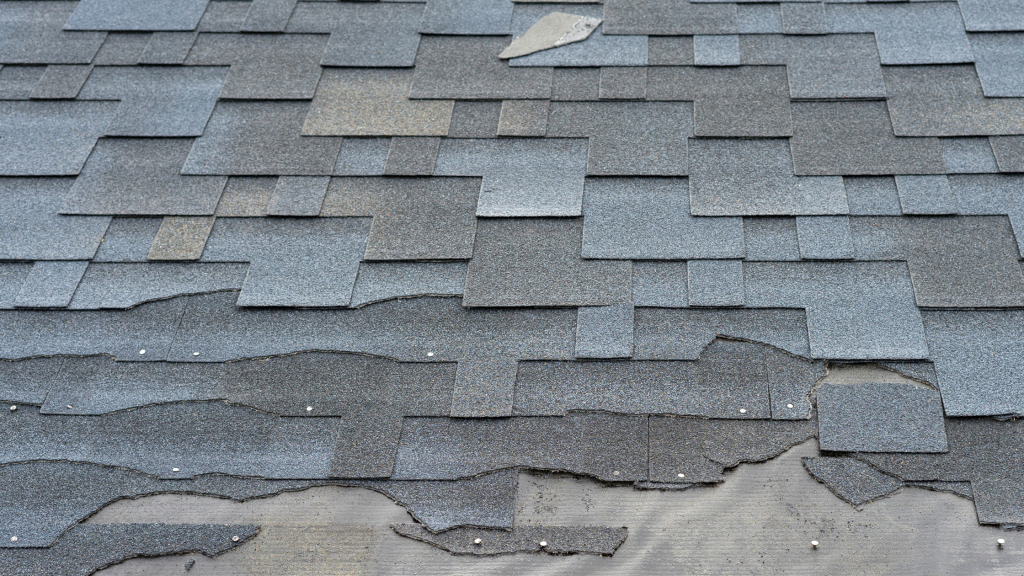
- Missing or damaged shingles, lifted edges, or exposed underlayment
- Torn or missing flashing around chimneys, skylights, or vents
- Shingle fragments, tree branches, or debris in the yard
- Visible dents or fractures from hail damage
Immediate steps:
Photograph everything from the ground. Never climb a storm-damaged roof, even trained roofers avoid unsafe conditions.
When to call immediately:
Visible exterior roof damage + interior leaks = a clear case for necessary emergency roof repairs, especially when you can clearly identify moisture problems before they spread and cause structural damage.
7. Leaks in Homes With Vulnerable Occupants or Sensitive Contents
Even a moderate leaky roof can be an emergency if it affects high-risk environments.
Examples include:
- Bedrooms used by children, elderly adults, or people with respiratory issues
- Rooms with medical equipment, essential electronics, or irreplaceable items
- Multi-story homes where leaks can travel between floors
Immediate steps:
Move vulnerable occupants and valuables. Call for emergency roofing support, especially if leak paths move toward sleeping areas or critical spaces.
Why it’s an emergency:
Moisture can compromise structural integrity, create mold exposure, and endanger the home’s interior. Sensitive spaces require rapid emergency roof repair services from a trained roofing professional.
Schedule a Leak Inspection with a Roofing Professional
If you’re noticing any of these warning signs, it’s completely okay to ask for help right away. A damaged roof can go from a small problem to a big one quickly, especially after our New Mexico windstorms, heavy rains, or falling tree branches.
East Mountain Roofing is here to make the process less stressful. Our team provides trusted emergency roof leak repair, honest guidance on whether you need a temporary fix or a more complete repair, and next-day written estimates so you always know what to expect.
Give us a call at (505) 264-7081 during business hours to schedule your inspection. We proudly serve homeowners in Albuquerque, Rio Rancho, Santa Fe/Eldorado, Edgewood, Sandia Park, Cedar Crest, and all surrounding areas. In most cases, we can be on-site within 24–48 hours, prioritizing urgent situations where leaks or safety concerns need fast attention.