
Roof Deck Rot Repair: How Roofers Replace Damaged Sheathing
Roof decking, also called roof sheathing, plays a crucial role in your roof’s structure, but most homeowners never see it until there’s a problem. During a roof deck rot repair, what looks like a simple leak on the roof’s surface often reveals deeper moisture damage underneath.
In Central New Mexico, high winds, hail, and seasonal moisture intrusion make this even more common. Water infiltrates beneath shingles, leading to wood rot, mold growth, and weakened decking over time.
This guide explains what professional roofers actually open up, how they accurately assess damage, and what cost factors can impact your repair job.
What Is Roof Decking (Roof Sheathing) and Why It Fails
Roof decking, typically plywood or oriented strand board (OSB), forms the foundation of your roofing system. It provides support for shingles and other roofing materials while protecting the attic space and interior of your house.
However, decking rot develops when excessive moisture builds up. Common causes include:
- Long-term leaks and water damage
- Poor attic ventilation trapping humidity
- Storm-related moisture infiltration
- Aging roofing materials allowing water penetration
According to the U.S. Department of Energy, proper moisture control, including ventilation, helps prevent mold growth and protects building materials from moisture-related damage.
Once moisture damage starts, rotted wood spreads quickly. Wet rot, dry rot, and mold can compromise the roof’s structural integrity, especially if left untreated.
What Roofers Actually Open Up During a Roof Deck Rot Repair
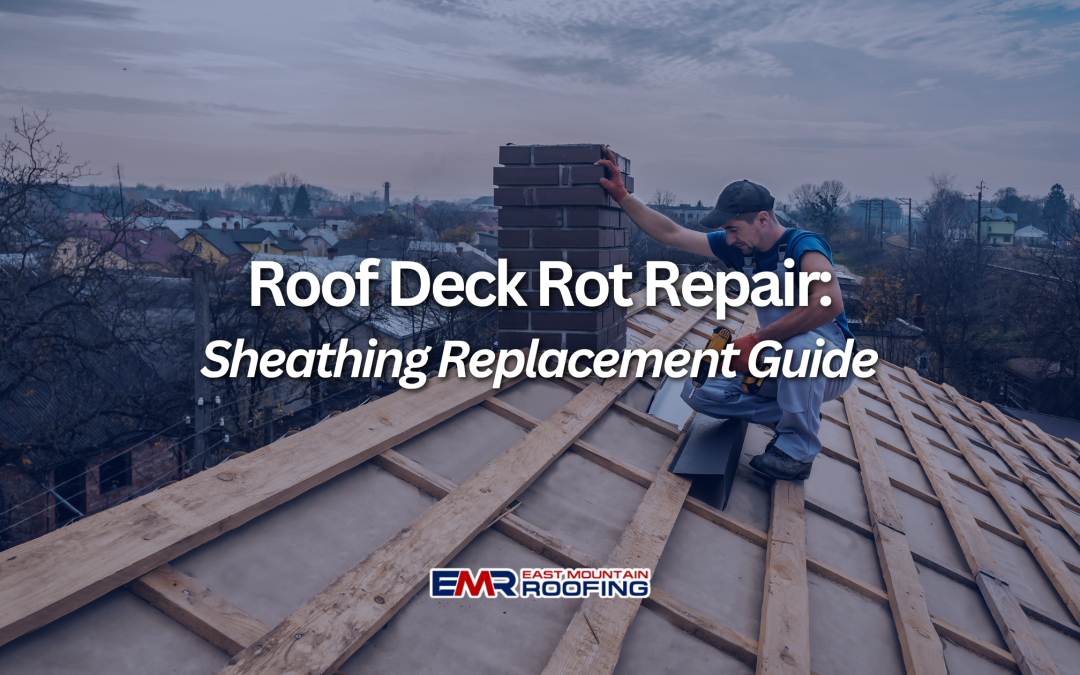
During a roof deck rot repair, the first step is exposing the affected area to determine the extent of the damage. This involves more than just removing a few shingles.
Professional roofers will:
- Remove shingles or roofing materials from the damaged area
- Pull back the underlayment to expose the roof decking
- Remove flashing if it contributes to moisture intrusion
- Perform an exploratory tear-off to uncover hidden damage
In many cases, what appears as localized damage expands once the decking is exposed. Wind-driven rain, which is common in New Mexico, can force water beneath roofing layers, leading to widespread decking rot beneath an otherwise intact roof.
How Professional Roofers Identify Roof Deck Rot and Moisture Damage
Once the roof deck is exposed, roofers look for clear signs of rot and moisture damage. Identifying these early helps determine whether a simple repair or additional repairs are needed.
Visual signs include:
- Dark staining or discoloration
- Warped or sagging decking
- Visible mold or mildew
Physical indicators:
- Soft spots or spongy areas underfoot
- Rotted wood that breaks apart easily
Attic inspection clues:
- Damp insulation in the attic
- Water stains along rafters
- Light visible through the roof’s structure
A professional inspection helps accurately assess the extent of moisture intrusion and determine whether roof repair or replacement is required. Regular inspections are key to catching issues before they escalate.
Sheathing Replacement: A Step-by-Step Guide to Replacement Decking
When roof sheathing is compromised, replacing it restores the roof’s structure and prevents further damage. Here’s how the sheathing replacement process works:
- Remove roofing materials and underlayment in the affected area
- Cut out rotted wood and damaged decking
- Inspect the surrounding wood and rafters for additional damage
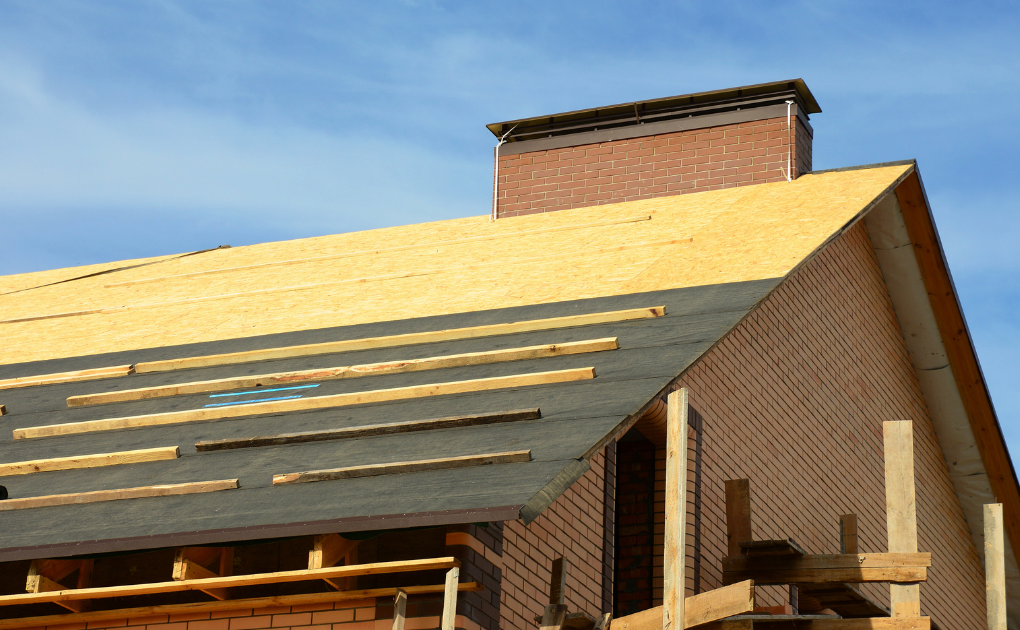
- Install new plywood or OSB replacement decking
- Apply new underlayment and flashing
- Reinstall shingles, metal panels, or TPO roofing materials
The scope of replacing decking depends on the extent of the damage. Some projects involve small sections, while others require large-scale replacement or even a full roof replacement or skylight replacements.
Cost Drivers in Roof Deck Rot Repair That Surprise Homeowners
The overall cost of roof deck rot repair often depends on factors homeowners don’t see until the roof is opened.
Key cost drivers include:
- The extent of the damage and how far rot has spread
- Size of the affected area requiring replacement decking
- Labor intensity and roof accessibility
- Matching existing roofing materials
- Ventilation upgrades for proper ventilation
- Additional repairs discovered during tear-off
- Weather delays impacting timeline and labor
Because moisture damage is often hidden, the final cost can change once roofers determine the full scope. Clear communication and written estimates help avoid surprises.
When Roof Deck Rot Leads to Full Roof Replacement or Additional Repairs
In some cases, roof deck rot repair reveals deeper structural problems. When rot affects large sections of the roof, a full roof replacement may make more sense than patchwork repairs.
Signs a bigger project is needed:
- Widespread decking rot across multiple areas
- Multiple leaks or long-term moisture infiltration
- Aging roof near the end of its lifespan
- Structural concerns involving rafters or framing
Storm damage is often a contributing factor. According to the Federal Emergency Management Agency (FEMA), high winds can damage roof flashing, allowing water intrusion that may lead to leaks, corrosion, and dry rot, reducing a building’s integrity and requiring professional evaluation.
How Proper Ventilation and Regular Inspections Prevent Roof Deck Rot
Preventing roof deck rot starts with controlling moisture and maintaining your roofing system.
Best practices include:
- Scheduling regular inspections, especially after storms
- Ensuring proper attic ventilation to reduce humidity
- Addressing leaks immediately before water infiltrates deeper layers
- Replacing aging roofing materials before failure
- Choosing durable materials suited for New Mexico conditions
Proper ventilation and early action help protect your roof’s structure and extend its lifespan.
Schedule a Roof Inspection Before Decking Rot Gets Worse
Roof deck rot rarely stays contained. What starts as a small issue can quickly lead to structural problems, higher repair costs, and even the need for a new roof.
East Mountain Roofing provides free roof inspections and fast, clear estimates so you can understand the true condition of your roof. Whether you’re dealing with leaks, storm damage, or suspected decking rot, their team will accurately assess the situation and recommend the right solution.
If you’re noticing signs of water damage or aging materials, now is the time to act. Learn more about our roof repair services and take the next step toward protecting your home before small issues turn into costly repairs.
Catch Roof Deck Damage Early With a Professional Inspection
Roof deck rot is often hidden, but the damage it causes is serious. Moisture intrusion, mold, and rotted wood can weaken your entire roofing system if left untreated.
A professional inspection helps determine the extent of the damage before repairs begin, giving you a clear understanding of the scope and cost. Acting early can prevent larger structural issues and avoid a full roof replacement.
Call (505) 264-7081 or request a roof inspection today. With New Mexico’s harsh weather conditions, addressing roof issues early is the best way to protect your home.