

Roofing Permits in New Mexico: When Roof Replacement Permits May Apply
Planning a roof replacement? One of the first things to check is whether roofing permits in New Mexico apply to your project. The answer depends on your property address, the local jurisdiction, and the scope of your construction work. A simple repair may not follow the same permit requirements as a full reroof, structural repair, or material change.
For example, Albuquerque offers an express permit for qualifying residential reroof projects without truss repairs. Rio Rancho requires permits for roof replacement, while Santa Fe lists roofing and reroofing among projects requiring building permits.
This guide explains who decides whether your roofing project needs a permit, when a roof replacement permit in New Mexico may apply, what roof permit inspections may include, and who usually handles the permit application.
Who Decides Whether Your Roof Replacement Needs a Permit?
The authority that decides whether your roofing project requires a permit is called the authority having jurisdiction. Depending on your property’s location, this may be a city Building Safety Division, a county or local building department, the New Mexico Construction Industries Division, or another agency that issues building permits for residential construction.
For example, the City of Santa Fe Land Use Department oversees building permits within Santa Fe city limits. In other parts of the state, the New Mexico Construction Industries Division may oversee the permitting process, plan review, and inspections.
Many jurisdictions also let homeowners apply online for a permit application or verify permit information by property address. If your home is in a historic district, additional review may apply.
Before work begins, contact the appropriate office to confirm the permit requirements for your project. Two homes on the same road may follow different rules because they fall under different jurisdictions.
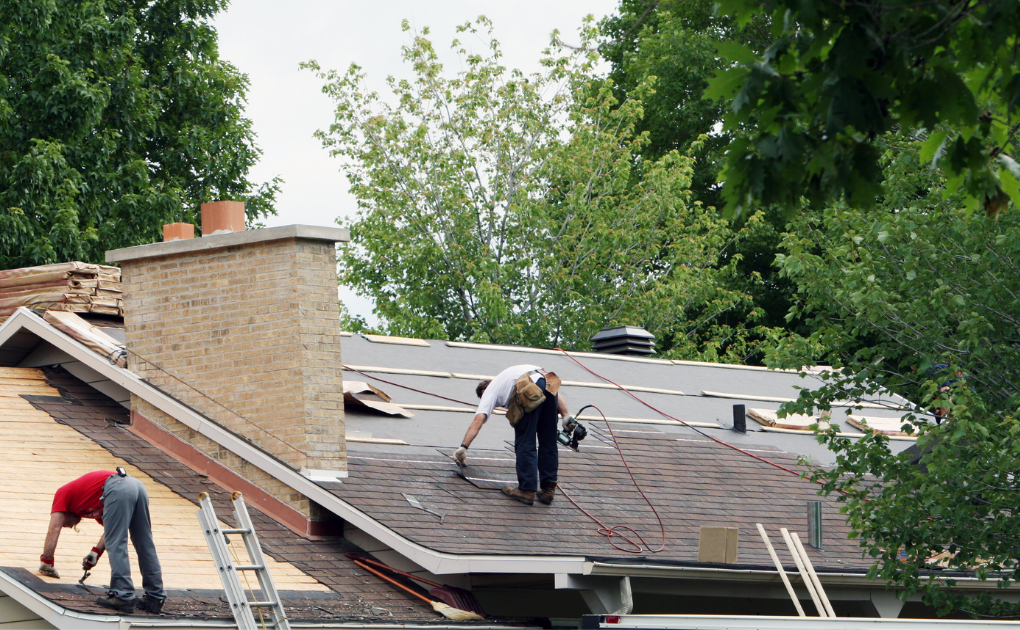
When a Roof Replacement Permit May Apply in New Mexico
Whether you need a roof replacement permit in New Mexico depends on your property’s jurisdiction and the scope of the project.
Full reroofs, structural repairs, material changes, and some commercial projects are more likely to require a permit than smaller roofing jobs. Depending on the work involved, you may also need construction drawings, a construction valuation, or plan review before the permit is approved.
| Roofing Project | Why a Permit May Apply | What to Confirm |
| Full reroof | Replaces a major building component | Local reroof permit requirements |
| Tear-off | Exposes the roof deck | Required inspections |
| Roof overlay or recover | Adds roof layers | Whether an overlay is allowed |
| Structural repairs | Involves framing or trusses | Plan review requirements |
| Material change | Changes roof weight or assembly | Building code requirements |
| Commercial reroof | Larger project scope | Commercial permitting process |
Full Roof Replacement or Reroofing
A full reroof is one of the most types of roofing projects that may require a permit. This can include replacing asphalt shingles, installing a new low-slope membrane, or recovering an approved existing roof where local building codes allow it.
Rio Rancho requires permits for roof replacement, while Santa Fe lists roofing and reroofing among projects requiring building permits. Albuquerque also offers an express reroof permit for qualifying residential projects.
Tear-Off Work That Exposes the Roof Deck
A tear-off removes the existing roofing materials so the roof deck is fully exposed. This allows contractors and inspectors to check the decking, underlayment, flashing, and fastening before the new roof is installed.
Depending on the local permitting process, a roof permit inspection may occur before the roof is covered. If hidden damage is found, repairs may be required before work continues.
Wondering if your roof needs to be replaced? Read our guide on how much roof damage may require replacement.
Roof Overlay or Recover Projects
A roof recover, also called a roof overlay, installs new roofing over an existing roof instead of removing the old materials.
Even without a tear-off, the project may still require a permit because the local building department may review the number of existing roof layers, the roof’s condition, and whether the added weight complies with local building codes.
Not every roof qualifies for an overlay. Before work begins, confirm whether this option is allowed in your jurisdiction and whether additional review is required.
Truss, Framing, or Structural Roof Repairs
Projects involving trusses, rafters, framing, or significant roof deck repairs often require a more detailed review than a standard reroof. Depending on the scope of the construction work, the permit application may require construction drawings, plan review, or engineering documents before work is approved.
For example, Albuquerque’s express reroof permit only applies to qualifying residential reroof projects without truss repairs. Structural work may follow a different permit type and review process. Learn more through the City of Albuquerque Express Permitting System.
Changing the Roof Material or Assembly
Switching from asphalt shingles to metal roofing or replacing one roofing system with another can affect the roof’s weight, fire rating, and installation requirements. The local building department may review these changes to verify they meet local building codes.
Projects involving solar panels, manufactured homes, or related electrical, mechanical work, or plumbing work may also require separate trade permits or a plumbing permit, depending on local regulations.
Commercial Roof Replacement
Commercial reroof projects often have different permit requirements than residential homes. Depending on the project, the permit application may require a construction valuation, roof specifications, insulation details, drainage information, or additional construction drawings for plan review.
Requirements vary by city, so always confirm the process with the department that issues building permits before construction begins.
What Roof Permit Inspections May Check
After your permit is issued, your roofing project may require one or more inspections. The number and type of inspections depend on the local jurisdiction, the scope of the project, and the permit type.
Depending on the work, an inspector may check:
- Existing roof layers
- Roof decking condition
- Underlayment
- Flashing
- Fastening methods
- Roof penetrations
- Final roof installation
A roof permit inspection helps confirm that the work follows the approved plans and local building codes. It is not a warranty and does not guarantee the roof will never develop problems in the future.
Who Usually Obtains the Roofing Permit?
In many cases, a licensed contractor will obtain the permit, submit the permit application, schedule inspections, and coordinate with the local building department throughout the permitting process. Some jurisdictions may allow a qualifying homeowner’s permit for owner-builders, but requirements vary.
Before signing a contract, ask who is responsible for the permit, whether fees are included in the estimate, and who schedules the required inspections. You should also ask for the permit number and final approval once the project is completed.

Confirm the Permit Requirements Before Your Roof Replacement
Roofing permits in New Mexico vary by property address, jurisdiction, and project scope. While many roof replacements require permits, the exact requirements depend on your local building department and the work being performed.
Before construction begins, confirm the permit requirements with the department that issues building permits for your area. A qualified roofing contractor can also help you understand the process and prepare the necessary paperwork.
Starting work without the required permit can lead to stop-work orders, fines, or additional permit fees. Unpermitted work may also complicate a future home sale if permit records are reviewed during the transaction.
If you’re planning a roof replacement in New Mexico, contact East Mountain Roofing for a free inspection and estimate. We’ll evaluate your roof, explain your options, and help you understand the permit requirements that may apply to your project.
Frequently Asked Questions About Roofing Permits in New Mexico
Do I need a roof replacement permit in New Mexico?
It depends on your property address, the local jurisdiction, and the scope of the construction work. Many full roof replacements require a permit, but permit requirements vary by city, county, or the New Mexico Construction Industries Division. Contact the department that issues building permits before work begins.
Who submits the permit application?
In most cases, a licensed contractor will obtain and submit the permit application, schedule inspections, and coordinate with the local building department throughout the permitting process. Some jurisdictions also offer a homeowner’s permit for qualifying owner-builders.
Do roof repairs or roof overlays require a permit?
Some minor repairs may not require a permit. However, a roof recover, structural repairs, projects involving residential structures, or changes to the roofing system may require plan review, construction drawings, or additional approvals depending on local building codes.
Can my roofing project require other permits?
Yes. Projects involving solar panels, electrical, mechanical work, or plumbing work may require separate trade permits or a plumbing permit. Homes in a historic district or manufactured homes may also have additional permit requirements.
How can I find the correct building department?
Use your property address to identify the correct office or agency with jurisdiction. Many cities let you apply online, check permit requirements, or verify whether your project has been approved before construction begins.
How Can I Reach East Mountain Roofing?
Whether you need a roof inspection, repair, or replacement, East Mountain Roofing is here to help. We’ll inspect your roof, explain your options, and help you understand the permit requirements that may apply to your project before work begins. Schedule a free estimate by filling out our contact form online.