
Coping Cap Roof Protection: What It Does on a Commercial Building
A coping cap roof detail does much more than finish the top of a commercial building. Installed over the top of parapet walls, it helps protect the roof edge by directing water away from the wall while working with the roofing system below to reduce the risk of leaks.
When properly designed and installed, a coping cap becomes an important part of your building’s long-term protection, especially in areas exposed to intense sun, wind, hail, and heavy rain.
In New Mexico, commercial roofs face constant UV exposure, strong winds, and seasonal monsoon storms. Without a properly functioning coping cap, water can enter through the top of the parapet, travel behind the flashing, and appear inside as a roof-edge leak.
This article explains what a coping cap does, how it works with TPO base flashing, and why problems with joints, attachment, or transitions can allow moisture into your building.
What Is a Coping Cap Roof System on a Commercial Building?
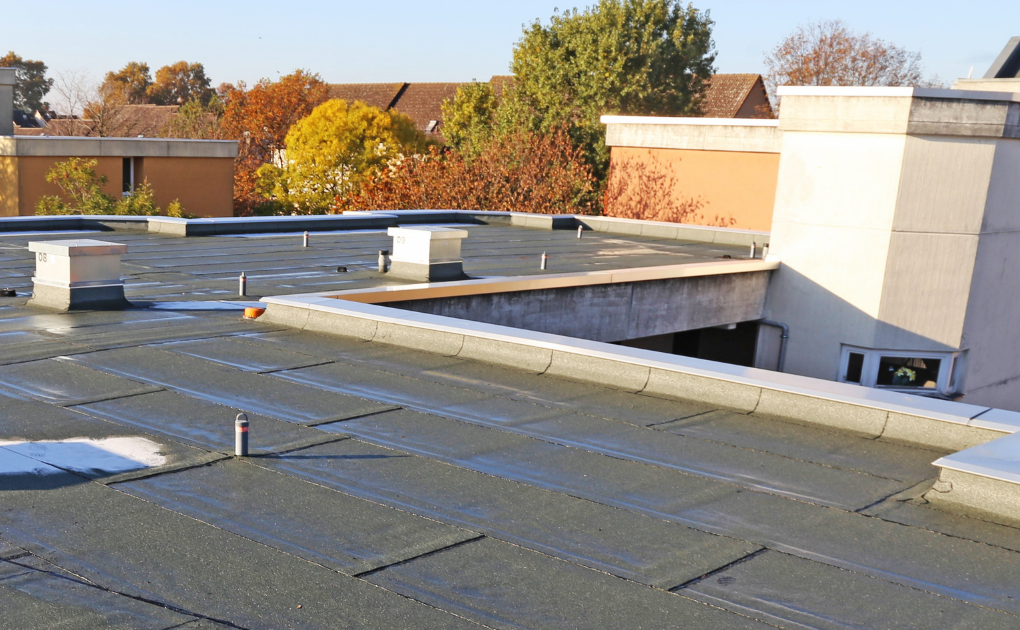
A coping cap is the protective covering installed over the top of a parapet wall on a commercial roof. Its primary job is to shield the exposed wall from weather and direct water away from vulnerable areas.
Metal coping systems are commonly made from prefinished steel or aluminum, although some buildings use copper, stone, or precast concrete depending on the project and performance requirements.
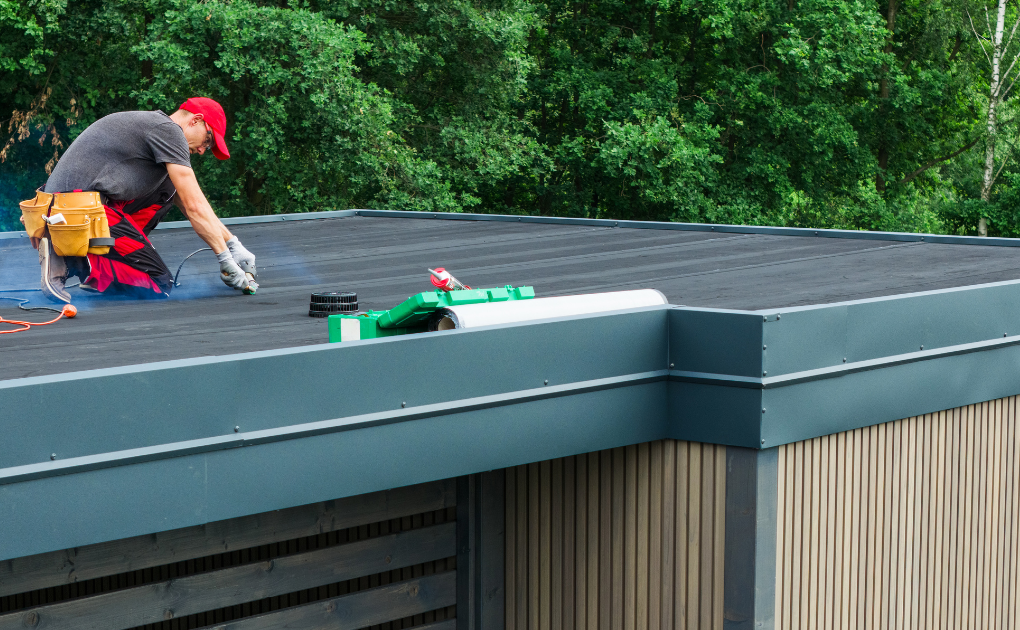
A typical coping assembly includes coping sections, continuous cleat coping or concealed clips, splice plates, joint seals, end caps, corners, and other accessories that work together to protect the roof edge.
Manufacturers offer different profile options, lengths, materials, and standard and custom colors to match the building’s aesthetics while delivering reliable weather protection.
The coping cap works with the roof’s waterproofing assembly rather than replacing it. TPO base flashing extends up the inside face of the parapet, while the coping protects the wall’s exposed top.
Its interior and exterior legs direct water away from both sides of the wall, following the “down and out” water-management principle recommended by the Building Science Corporation.
The membrane flashing and coping systems are separate but connected components, and both must work together to keep water out. A TPO membrane can remain watertight across the roof field while water still enters through an open coping joint above it.
Some metal coping systems are tested to ANSI/SPRI ES-1 requirements and available as FM-approved products to help meet project-specific wind performance requirements or support certain wind warranties, depending on the right product and its installation.
How Coping Systems Protect a Parapet Wall
A properly installed coping cap does more than cover the top of a wall. Well-designed coping systems help keep water out of the parapet, direct runoff away from the building, strengthen the roof perimeter, and allow the metal to move as temperatures change.
When one part of the system fails, it can create a path for water to enter long before you notice a leak inside.
It Keeps Water Out of the Top of the Parapet
The top of a parapet is exposed to rain, hail, sunlight, and temperature changes every day. Without a coping cap, masonry, concrete, wood blocking, and wall sheathing can absorb water or allow it to enter small openings at the top of the wall.
The cap acts as a protective cover that helps keep these materials dry and extends the life of the roof-edge assembly.
Water that enters from above may travel down through the parapet before becoming visible inside your building. That is why a leak near the roof edge does not always begin in the horizontal roof membrane.
During Albuquerque’s wind-driven monsoon storms, even a small gap in a coping joint can allow water inside while remaining dry during lighter rainfall.
It Directs Water Away From Both Faces of the Wall
A properly designed coping profile does more than cover the wall. It helps move water away from the parapet by using drip edges that prevent runoff from wrapping underneath the metal and reaching the wall below. This helps protect exterior stucco, masonry, membrane terminations, and other roof-edge details from repeated moisture exposure.
Effective flashing follows the “down and out” principle, which means water should always flow over lower layers rather than behind them.
The Building Science Corporation explains that layered water management helps reduce moisture intrusion by directing water away from vulnerable building assemblies, not into them.
How Continuous Cleat Coping Helps Secure the Roof Edge
Roof perimeters and corners experience some of the highest wind pressures on a commercial building. Many metal coping systems use continuous cleat coping or cleat coping assemblies with concealed clips and fasteners to help hold the cap securely in place while protecting the roof edge from wind uplift.
If the cleat, fasteners, or attachment system becomes loose, the coping can lift, shift, or rotate during severe weather. This movement may open joints, expose the parapet, damage nearby TPO flashing, and create a safety hazard.
Since every building experiences different wind conditions, the attachment system should be selected for the specific project and installed according to recognized industry standards.
It Accommodates Metal Expansion and Contraction
Metal naturally expands as temperatures rise and contracts when they fall. In places like Santa Fe and the East Mountains, where temperatures can change quickly between day and night, coping sections need room to move without placing stress on nearby joints or fasteners.
Problems often develop when sections are installed too tightly, joints are spaced incorrectly, or sealant is expected to absorb all of the movement.
Long metal sections can expand and contract differently from the parapet beneath them, making proper joint spacing and attachment just as important as selecting the right product for the installation.
Why Coping Cap Failures Show Up as Roof-Edge Leaks
A coping cap leak rarely stays where water first enters the building. Moisture can pass through an open coping joint or damaged transition, then travel behind the TPO base flashing, through roof insulation, or across the roof deck before becoming visible indoors.
As a result, you may notice ceiling stains near exterior walls, damp insulation around the roof perimeter, interior wall staining, efflorescence on masonry, or recurring leaks during wind-driven rain.
We’ve seen many cases where the visible leak is several feet away from where water actually entered the roof. That’s why professional flat-roof leak detection matters before repairs begin.
Many building owners assume the TPO membrane is the problem because it is the most visible part of the roofing system. However, the membrane may still be performing as intended while water enters through a failed coping joint or parapet detail above it. A membrane patch will not stop a leak that begins at the top of the wall.
For example, a leak that appears only during strong west-driven storms in Albuquerque may point to the coping or exterior wall details instead of the field membrane. Inspecting the entire roof-edge assembly helps identify the true source before making repairs.
Common Coping Cap Problems That Cause Edge Leaks
Even a well-built commercial roof can develop problems over time. Sun exposure, wind, thermal movement, and aging materials can affect different parts of the coping assembly.
During our commercial roof inspections, we commonly look for:
- Open joints or failed splice plates: Separated coping sections, shifted splice plates, or worn joint seals can create openings that allow water into the parapet.
- Loose cleats, clips, or fasteners: Loose attachment can cause the coping to lift or shift during high winds. Some systems are designed and tested to ANSI/SPRI ES-1 standards for roof-edge performance.
- Cracked or overused sealant: Sealant can crack, shrink, or lose adhesion over time. It should support the coping system, not serve as the primary barrier against water.
- Damaged corners, end caps, and transitions: These areas are more exposed to wind and movement, making them common locations for gaps and water intrusion.
- Poor slope, reverse pitch, or ponding: Standing water around coping joints can speed up wear and increase the risk of leaks. Choosing the right product and proper installation helps improve long-term performance.
Inspect the Parapet Before Patching the TPO Membrane
A coping cap roof detail helps protect the top of the parapet, direct runoff away from the wall, and secure the roof perimeter.
When joints open, attachments loosen, sealant fails, or corners become damaged, water can enter the wall and appear as a leak near the TPO membrane, even when the membrane isn’t the original source.
The coping, parapet wall, and TPO base flashing should always be inspected as one assembly. Focusing only on the visible leak can overlook the true entry point and lead to ineffective repairs.
If your commercial building has recurring roof-edge leaks, East Mountain Roofing can help. We provide commercial roof repair and replacement, along with free roof inspections and estimates throughout Albuquerque, Rio Rancho, Santa Fe, Edgewood, and Central New Mexico.
Reach out to our team or schedule a commercial roof inspection to have your coping system, parapet walls, and roofing assembly evaluated before minor problems become costly repairs.