
Is a metal roof worth it in New Mexico?
Choosing between a metal roof and traditional asphalt shingles in New Mexico often comes down to long-term value, storm performance, maintenance expectations, and how different roofing materials handle intense sun, high winds, heavy rain, and seasonal hail.
For some homeowners, metal roofing materials are a smart long-term investment because of their superior longevity, exceptional durability, energy efficiency, and low maintenance requirements. For others, traditional asphalt roofs or an asphalt shingle roof may still make more sense depending on budget, roof complexity, or how long they plan to stay in the home.
Whether you live in Albuquerque, Rio Rancho, Santa Fe, Edgewood, or the East Mountains, understanding how different roofing materials perform in New Mexico conditions can help you choose the right materials for your roof replacement project.
When a Metal Roof Is Worth It in New Mexico
In many cases, a metal roof worth considering in New Mexico is one that aligns with your long-term goals as a homeowner.
A metal roof often makes sense if:
- You plan to stay in your home for many years.
- Your property sees strong winds, intense sun, heavy snow, or severe weather exposure.
- You want fewer frequent repairs compared to traditional asphalt shingles.
- You value fire rating, curb appeal, and long lifespan.
- You want energy-efficient roofing materials for hot climates.
- You are already planning a new roof and want to compare other materials side by side.
Metal roofs stand up well to many of the conditions common across Central New Mexico, especially in exposed areas like Edgewood, Sandia Park, or open-lot neighborhoods in Rio Rancho, where high winds and falling branches can become concerns during monsoon season.
However, metal may not always be the right fit. The higher upfront cost and higher initial cost can be difficult for homeowners focused on the cheapest roof replacement option. If you plan to sell soon, a quality asphalt shingle roof may be more practical.
No matter which roofing materials you choose, proper installation matters just as much as the material itself. A properly installed roof system performs better over time, especially during extreme weather conditions.
Metal Roof Cost vs Lifespan: Looking Beyond the Install Price
One reason homeowners hesitate about metal roofing materials is the higher upfront cost compared to traditional shingles.
An asphalt roof is usually cheaper upfront. A standing seam metal roof or steel roof system typically costs more per square foot at installation. But the real question is how the roof performs over decades, not just the first invoice.
When comparing metal roof cost vs lifespan, consider:
- How long you plan to own the home
- Potential frequent repairs
- Exposure to high winds, heavy rain, or falling branches
- Maintenance expectations
- Energy savings potential
- Resale value and home’s curb appeal
- Whether your current roof already has recurring problems
For homeowners planning to stay long-term, the math can shift. A metal roof is often worth investing in because it provides exceptional durability and requires minimal maintenance compared to many traditional roofing materials.
According to the Metal Roofing Alliance, metal roofs energy efficient designs can help reduce heat absorption and support lower cooling costs in sunny climates.
In Rio Rancho, recurring wind damage on asphalt shingle edges can make a high-wind metal roof more appealing over time. In Santa Fe, where visible rooflines and architectural style matter, standing seam systems may also improve curb appeal and resale value.
East Mountain Roofing provides a 10-year labor warranty on new roof installations, along with manufacturer warranties that vary by product and system. You can also compare metal roofing options to see which systems may fit your property best.
Metal Roof vs Shingles in NM Climate: Heat, Wind, Hail, and UV
|
Climate Factor |
Metal Roof |
Shingle Roof |
What Homeowners Should Ask |
|
Intense Sun & UV |
Reflective coatings can reduce solar radiation absorption |
UV exposure can accelerate aging over time |
Which roofing materials perform best on south-facing slopes? |
|
High Winds |
Standing seam metal systems can reduce exposed fastener points |
Wind-lifted tabs are a common concern |
How will wind uplift protection be handled? |
|
Hail |
May dent cosmetically but still function |
Can lose granules or crack |
Is the damage cosmetic or functional? |
|
Fire Exposure |
Noncombustible material |
Depends on assembly and materials |
What is the roof’s fire rating? |
Heat and UV Exposure
New Mexico sun exposure is tough on roofs, especially on south and west-facing roof planes in Albuquerque and Los Lunas.
Metal roofs’ energy-efficient performance comes from reflective coatings and lighter colors that reduce solar radiation absorption. A cool roof system may help lower cooling bills and monthly energy bills when paired with proper insulation, ventilation, and high-quality materials.
Traditional asphalt shingles and other roofing materials can still perform well, but prolonged UV exposure may contribute to brittleness, granule loss, and aging over time. Traditional shingles may also absorb more heat depending on color and roof design.
ENERGY STAR notes that cool roofs tend to perform especially well in hot climates with intense sun exposure.
Wind Performance and Attachment Details
Wind resistance depends on more than the roof panels alone.
A standing seam metal roof uses concealed fasteners, which can reduce exposed penetration points compared to exposed-fastener systems. Standing seam systems also allow for thermal movement, which helps large sheets of metal expand and contract during temperature swings.
However, metal roofs require proper attachment details at edges, ridges, flashing, and penetrations to perform correctly during severe weather and extreme weather conditions.
Rio Rancho and East Mountains homes often experience stronger wind exposure due to open lots and elevation. In these areas, proper installation and the right materials become especially important.
Hail Performance: Cosmetic vs Functional Damage
Metal roofs can dent during hailstorms. The extent depends on panel thickness, metal type, panel profile, and hail size.
Cosmetic dents do not always mean the roof has failed. Functional damage is different and may involve:
- Damaged flashing
- Loose fasteners
- Punctures
- Compromised seams
- Coating damage that could eventually prevent rust
After severe weather, annual inspections or post-storm evaluations help determine whether the roof’s water-shedding ability has been affected.
Metal roofs stand up well against many storm conditions, but no roof system is damage-proof. Some steel roofs and standing seam metal systems are highly resistant to hail and strong winds when properly installed.
ASTM research distinguishes cosmetic hail dents from functional roofing damage in coated steel panels.
Fire Resistance and Wildfire-Prone Areas
Metal roofing is noncombustible, which can make it appealing in wildfire-prone areas near Cedar Crest, Sandia Park, and the East Mountains.
Compared to wood shakes and some traditional roofing materials, metal roofs can offer stronger fire rating performance. Still, fire performance depends on the complete roof assembly, surrounding vegetation, vents, gutters, and defensible space practices.
Low Maintenance: What Metal Roofs Need Compared With Shingles
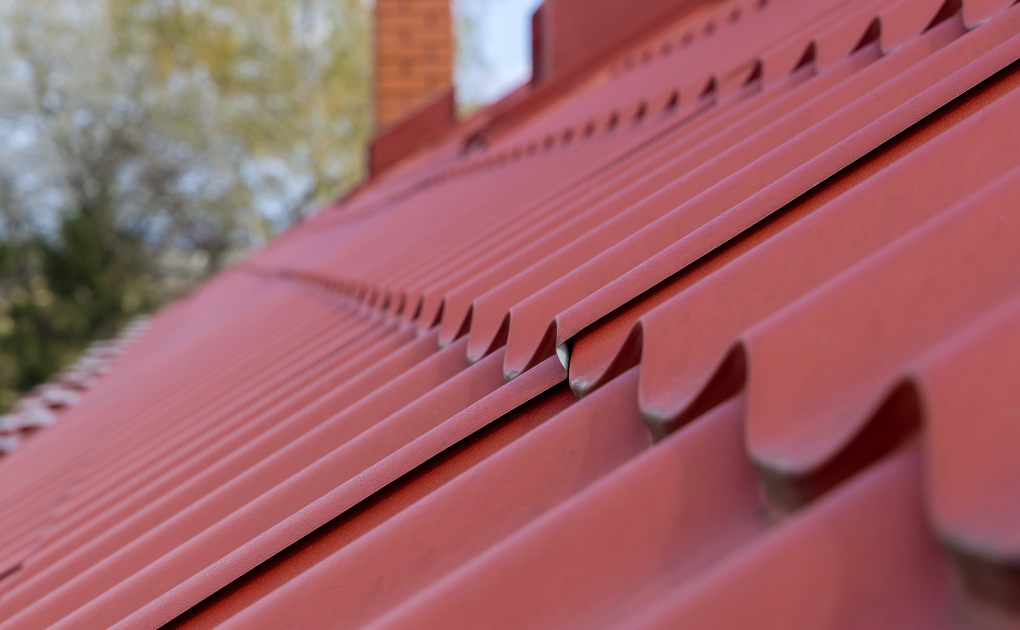
One reason homeowners choose metal is its low maintenance requirements.
That said, metal roofs require periodic inspections just like any other roof. While many systems require minimal maintenance, homeowners should still schedule annual inspections and post-storm checks.
Maintenance items may include:
- Checking flashing and penetrations
- Clearing debris from valleys and gutters
- Inspecting exposed-fastener systems
- Looking for trim movement or loose panels after storms
- Monitoring scratches or coating wear
- Checking areas affected by heavy rain or falling branches
Standing seam systems generally require less routine fastener attention than exposed-fastener metal shingles or panel systems.
By comparison, asphalt shingle maintenance often focuses on:
- Missing shingles
- Curling or cracking
- Granule loss
- Wind-lifted tabs
After monsoon storms, homeowners in New Mexico should inspect gutters, downspouts, and visible roof areas from the ground before scheduling professional inspections if needed.
Energy Efficiency: What Metal Roofing Can and Cannot Promise
Energy efficiency is one of the biggest reasons homeowners explore metal roofing.
Reflective coatings can help reduce solar radiation absorption, which may lower roof surface temperatures and reduce cooling load. In sunny New Mexico conditions, this can support lower cooling costs, lower energy bills, and improved indoor comfort.
However, energy savings depend on several factors:
- Roof color
- Roof orientation
- Attic ventilation
- Proper insulation
- Existing HVAC efficiency
- Shade coverage
- Overall roof assembly
No roof can guarantee exact energy bills or cooling bills reductions without a project-specific analysis.
For Albuquerque homes with broad sun-facing roof planes, energy-efficient metal roofing combined with ventilation improvements and insulation upgrades may provide more noticeable comfort benefits than roofing alone.
Metal roofs also pair well with solar panels because of their durability, low maintenance requirements, and long lifespan. Some homeowners also choose metal because of its lower environmental impact compared to certain other materials that may require replacement more often.
When Metal Roofing Is a Smart Long-Term Investment in NM
A metal roof worth the investment is usually one that matches your long-term ownership plans and local exposure conditions.
Metal may make sense if:
- You plan to stay in your home 10 to 20+ years
- Your roof faces intense sun or strong winds
- You want fewer repair concerns
- You value superior longevity and minimal maintenance
- You want a modern appearance with stronger curb appeal
- You are replacing your current roof anyway
For example, an Edgewood homeowner planning to stay long-term may benefit more from metal than someone preparing to sell immediately in Albuquerque.
Metal may be less practical if:
- Your priority is the lowest upfront cost
- Your roof has complex details that increase labor significantly
- You are selling very soon
- Traditional asphalt shingles fit your budget better
If you’re comparing systems, it helps to compare metal roofing options side by side with shingle roofs before making a decision.
Questions to Ask Before Choosing a Metal Roof
Before selecting a new roof, ask questions specific to your property and exposure conditions.
Important questions include:
- Should I choose standing seam or exposed-fastener panels?
- Which metal roofing materials fit my roof design best?
- How will thermal movement be addressed?
- What wind uplift measures will be used?
- What maintenance will this system require?
- Are metal roofs noisy during heavy rain or hail?
- How does metal compare with traditional asphalt roofs for my home?
- What warranty coverage applies to labor and materials?
- How will snow, hail, or wildfire concerns affect material selection?
Rio Rancho homeowners may want to focus on high winds and edge fastening details. Santa Fe and East Mountains homeowners may prioritize hail-resistant roofing, heavy snow considerations, and wildfire-prone surroundings.
Is a Metal Roof Worth It in NM? Compare Your Roof Options With East Mountain Roofing
Ultimately, is a metal roof worth it in NM? Depends on your roof shape, budget, storm exposure, and how long you plan to own your home.
A metal roof usually comes with a higher upfront cost than traditional asphalt shingles. But for many New Mexico homeowners, it can offer strong long-term value through exceptional durability, low maintenance, energy efficiency, and improved storm performance.
The best way to compare roofing materials is through a roof-specific evaluation based on your home, budget, and goals.
East Mountain Roofing offers free inspections and free estimates for homeowners throughout Albuquerque, Rio Rancho, Santa Fe, Edgewood, and surrounding communities. If you’re planning a roof replacement, you can request a metal roof estimate or explore our metal roof services to compare your options.
Frequently Asked Questions About Whether a Metal Roof Is Worth It in New Mexico
Is a metal roof actually worth the higher upfront cost in New Mexico?
For many homeowners, yes, but it depends on your long-term plans. A metal roof typically costs more per square foot to install than asphalt shingles, but the real question is how it performs over decades rather than just the first invoice. If you plan to stay in your home for 10 to 20+ years, face strong winds or intense sun, and want fewer repairs and minimal maintenance, the long-term value often makes metal worth the investment. If you’re planning to sell soon or your top priority is the lowest upfront cost, a quality asphalt shingle roof may make more practical sense.
How does a metal roof handle hail in New Mexico?
Metal roofs can dent during hailstorms, but it’s important to separate cosmetic damage from functional damage. The extent depends on panel thickness, metal type, panel profile, and hail size. Cosmetic dents don’t necessarily mean the roof has failed or lost its ability to shed water. Functional damage is different and can involve damaged flashing, loose fasteners, punctures, compromised seams, or coating damage. After a hailstorm, a post-storm inspection helps determine whether your roof’s water-shedding ability has actually been affected, or whether the dents are purely cosmetic.
Are metal roofs really low maintenance, or do they still need attention?
Metal roofs are genuinely low maintenance compared to many materials, but they’re not maintenance-free. Like any roof, they benefit from annual inspections and post-storm checks. Typical maintenance includes checking flashing and penetrations, clearing debris from valleys and gutters, inspecting exposed-fastener systems, looking for trim movement after storms, and monitoring for scratches or coating wear. Standing seam systems generally need less routine fastener attention than exposed-fastener panels. So while you’ll spend less time maintaining a metal roof than an asphalt one, periodic professional inspections are still important for long-term performance.