

When Do Exposed Nails on a Roof Become a Leak Risk?
Exposed nails on roof surfaces may not seem like a major concern at first, but they can become direct entry points for water when they are no longer protected by shingles, flashing, or durable sealant.
Roofing nails are designed to secure roofing materials in place, not remain visible to the weather for years.
Once water reaches an exposed nail head or travels down the fastener shaft, a small roof leak can develop. What starts as a minor stain on your ceiling or damp spot in the attic may eventually affect the roof deck, insulation, or interior finishes.
If you notice these warning signs around your own house, understanding when exposed roofing nails become a leak risk can help you know when it’s time to schedule a professional roof inspection.
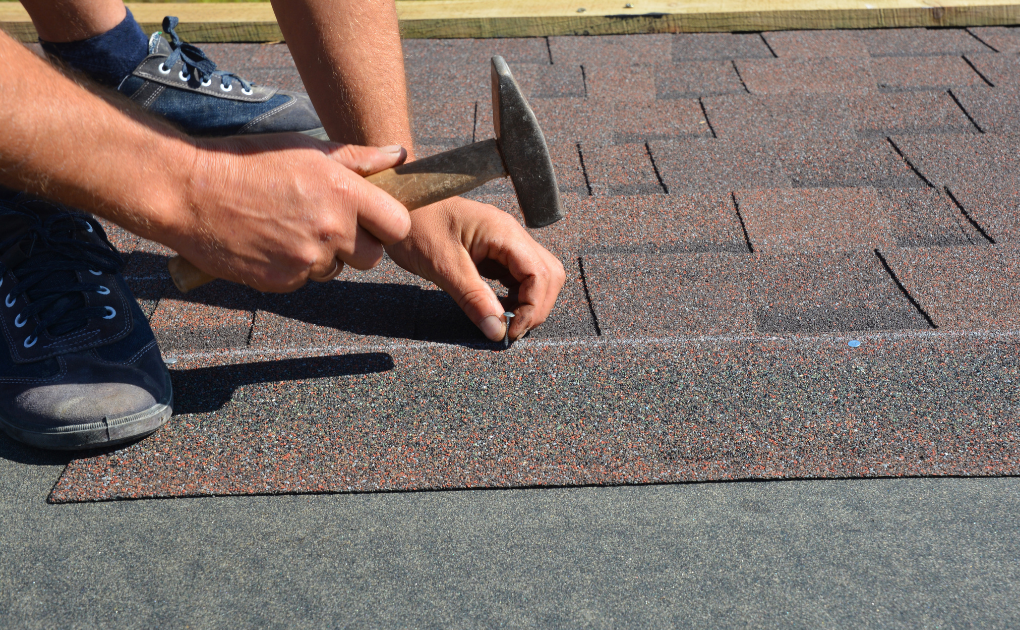
When Exposed Nails on Roof Surfaces Become a Leak Risk
Not every exposed fastener immediately causes a leak, but certain conditions greatly increase the risk. The table below summarizes the most common situations homeowners should watch for.
|
When it becomes risky |
Why it leaks |
What homeowners may notice |
New Mexico factor |
|
Nail head is uncovered |
Water reaches the fastener |
Ceiling stain or damp attic |
Monsoon rain |
|
Sealant has failed |
Water enters around the nail |
Cracked or peeling sealant |
Intense UV exposure |
|
Nail backs out |
Shingle lifts around the fastener |
Raised shingle or reflected sunlight |
Wind-driven rain |
|
Nail is rusting |
Moisture repeatedly reaches the fastener |
Rust stains near flashing |
Snowmelt and shaded roof areas |
|
Nail is near flashing or roof penetrations |
High water flow increases leak risk |
Recurring leaks near vents or chimneys |
Storm exposure |
|
Wind lifts surrounding shingles |
Water reaches previously covered nails |
Leak during heavy wind |
Open-lot exposure |
|
Leak keeps returning |
Original fastener problem remains |
Recurring ceiling stain |
Freeze-thaw cycles and monsoon storms |
1. When the Exposed Nail Heads Are Not Covered by a Shingle, Ridge Cap, or Flashing
Exposed nail heads become a problem when they are left exposed directly in the path of rainwater. Instead of water flowing over overlapping shingles, it can collect around the fastener and follow the shaft into the wood roof deck below.
This is especially important on sloped asphalt roofs, where proper water shedding depends on each layer being installed in accordance with roofing manufacturers’ recommendations and applicable building codes.
During Albuquerque’s intense monsoon storms, repeated water exposure at the same point can eventually create a roof leak.
The Asphalt Roofing Manufacturers Association also explains why proper nail placement is essential for long-term shingle performance:
2. When Exposed Nails Lose Their Protective Sealant
Some exposed nails are temporarily protected with roofing sealant or silicone-based products. Over time, however, that material can crack, shrink, pull away from the roof surface, or become brittle after years of sun exposure.
Once the protective seal fails, water can reach the fastener below. Any repair material should also be compatible with the existing roofing system. This is why caulking or silicone alone should never be viewed as a permanent solution for poor installation or improperly placed fasteners.
Albuquerque and Santa Fe homeowners often notice aging sealant sooner on south- and west-facing roof slopes because of constant sunlight. If severe weather has recently affected your area, read our guide on emergency roof repair after a storm.
3. When the Nail Is Backing Out or Lifting Above the Roof Surface
A fastener that begins lifting out of the roof is commonly called a nail pop. These nail pops raise the shingle slightly, break the adhesive bond, and create a small hole around the fastener where water can enter.
Homeowners may notice a raised bump, sunlight reflecting off exposed roofing nails, or lifted shingles after strong winds. GAF notes that these reflective fasteners are sometimes referred to as roof shiners, making them easier to locate during a close inspection.
Even a new roof or a recently completed construction home can experience this issue if the builder or roofing contractor did not follow proper fastening practices.
Insufficient attic ventilation can also contribute to nail pops. Excessive heat and moisture in the attic can cause roofing materials to expand and contract more, placing additional stress on the fasteners over time.
4. When the Nail Is Rusting or Staining the Roof Surface
Rust is often a sign that moisture has repeatedly reached the fastener. As corrosion develops, the metal nail may gradually lose holding strength while continuing to allow water to travel along the fastener into the roofing system.
Rust stains near vents, flashing details, or previous repair areas should not be ignored. In the East Mountains, winter snowmelt and shaded roof sections can keep certain areas damp longer than roofs receiving full sun, increasing the likelihood of recurring moisture around exposed fasteners.
If your roof has recently experienced severe weather, learn more in our guide, Storm Damage to Roofs: Key Signs and What You Should Do.
5. When the Exposed Nail Is Near a Roof Penetration, Flashing, or Valley
Not all areas of a roof handle water the same way. Exposed nails on roof surfaces become much riskier when they are located near roof penetrations such as pipe boots, vents, chimneys, skylights, wall flashing, valleys, or ridge cap sections where large amounts of water naturally flow.
These roof details already rely on properly installed flashing and compatible fasteners to keep moisture out. If a nail is left exposed near one of these transitions, it can become a recurring leak path.
Improperly cut shingles around a penetration can also leave nearby fasteners vulnerable. Although this issue is most common on sloped asphalt roofs, similar concerns can develop around certain flat roofing details if fasteners become exposed.
For example, a small stain on a bathroom ceiling may trace back to an exposed fastener near a roof vent rather than a widespread problem across the entire roof.
6. When the Wind Has Lifted the Shingle Around the Nail
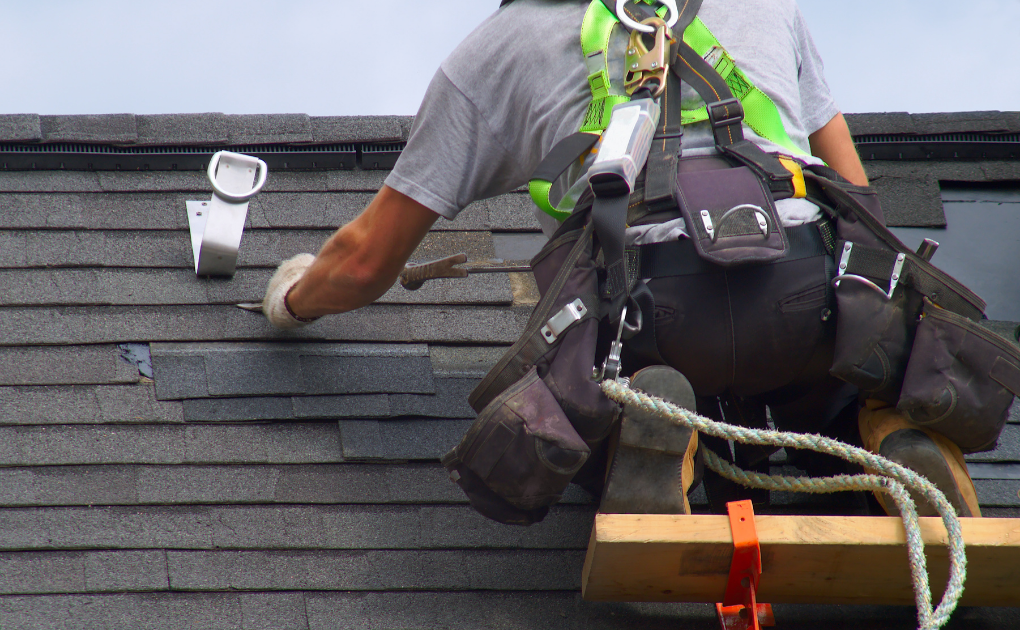
Wind can loosen shingles and uncover fasteners that were previously covered. Once the shingle lifts, rain can reach the nail heads from the side or underneath, creating a roof fastener leak or a small roof leak after rain that only appears during storms.
As strong winds continue moving the loosened shingles, even more water can reach the fastener opening. This is common in Rio Rancho, Edgewood, Cedar Crest, and the East Mountains, where strong winds regularly affect roof edges and exposed slopes.
What may look fine after calm weather can quickly become a leak during the next storm. A post-storm inspection can help identify newly exposed fasteners before moisture damage spreads.
7. When the Same Small Leak Keeps Coming Back After Rain or Snowmelt
A recurring leak usually means the original source was never fully corrected. An exposed fastener may allow water into the roofing system only during wind-driven rain, heavy roof runoff, monsoon storms, winter snowmelt, or freeze-thaw cycles, making the problem difficult to identify without a professional inspection.
You may notice a small ceiling stain that slowly grows, damp insulation in the attic, or a leak returning after temporary caulking. Rather than continuing to apply sealant, a qualified roofer can determine whether the leak is coming from an exposed fastener, failed flashing, or another nearby roofing detail.
If a nail pop is identified as the source, repairs typically involve removing and replacing the damaged shingles so the affected fastener can be properly addressed before the new shingles are installed.
In some cases, homeowners first learn about the issue during a home inspection, when inspectors identify exposed fasteners or moisture stains before the home changes ownership.
Why Exposed Roofing Nails Can Lead to Premature Roof Aging
Even when they are not causing an active leak, exposed roofing nails can contribute to premature roof aging by allowing repeated moisture intrusion through small openings.
Over time, water may affect the surrounding shingles, underlayment, roof decking, flashing details, attic insulation, and other roofing material before visible interior damage appears.
For many homeowners, the first sign is a small ceiling stain, even though the problem may have started much earlier.
Fixing a loose or exposed fastener is usually much easier than repairing water damage to drywall, insulation, or the roof deck. Regular roof inspections can catch small problems before they turn into costly repairs.
Schedule a Roof Leak Inspection Before Small Stains Keep Coming Back
Exposed nails on roof surfaces become leak risks when they are uncovered, surrounded by cracked sealant, backing out, rusting, or located near high-risk flashing details.
While a couple of exposed fasteners may not seem serious, they can create recurring leaks as New Mexico’s sun, wind, hail, monsoon rain, and snowmelt continue affecting your roof over the years.
If you’ve noticed exposed nail heads, recurring ceiling stains, or signs of a roof nail leak, East Mountain Roofing can help.
We diagnose the source of roof leaks, provide complimentary roof inspections and free estimates, and perform professional leaky roof repairs throughout Albuquerque, Rio Rancho, Santa Fe, Edgewood, Cedar Crest, Sandia Park, the East Mountains, and nearby communities.
Schedule a leaky roof inspection to identify the source of the problem and plan the right repair before the damage spreads. If you’d like to discuss your concerns with an experienced roofing professional, get help by calling (505) 264-7081 today.